Ball Valves: selection and purchasing questions
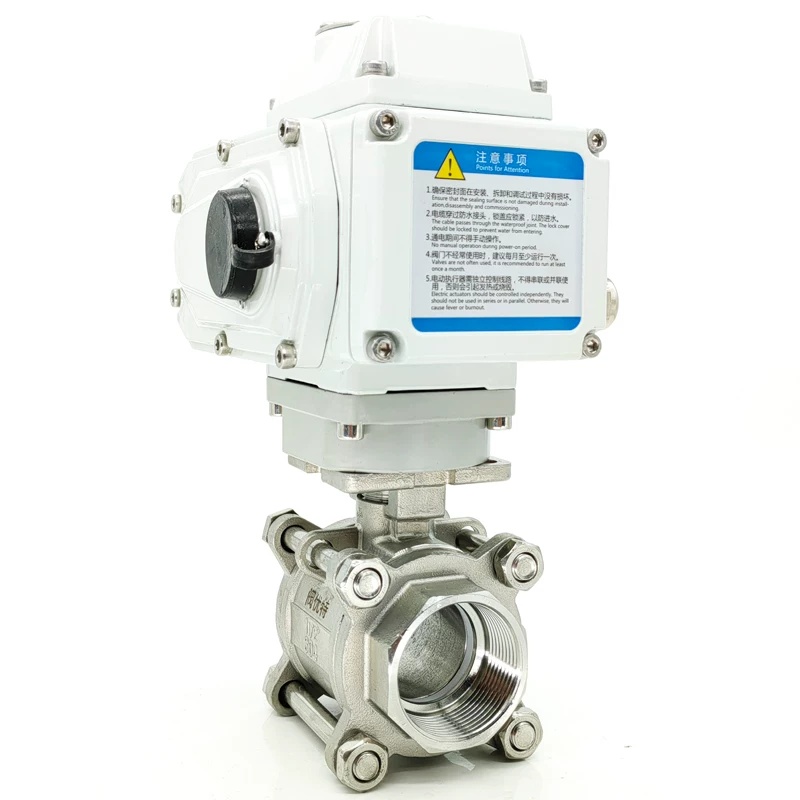
Select a ball valve by the required flow path, shut-off or regulating duty, medium, pressure-temperature conditions and seat materials. Then check connection dimensions and the selected manual, pneumatic or electric operator. A nominal size or actuator signal does not define the complete valve configuration.
Use individual product drawings and material specifications for flange, multi-port, lined or regulating designs. Do not assume that connection standards, flow paths or sealing arrangements are interchangeable.
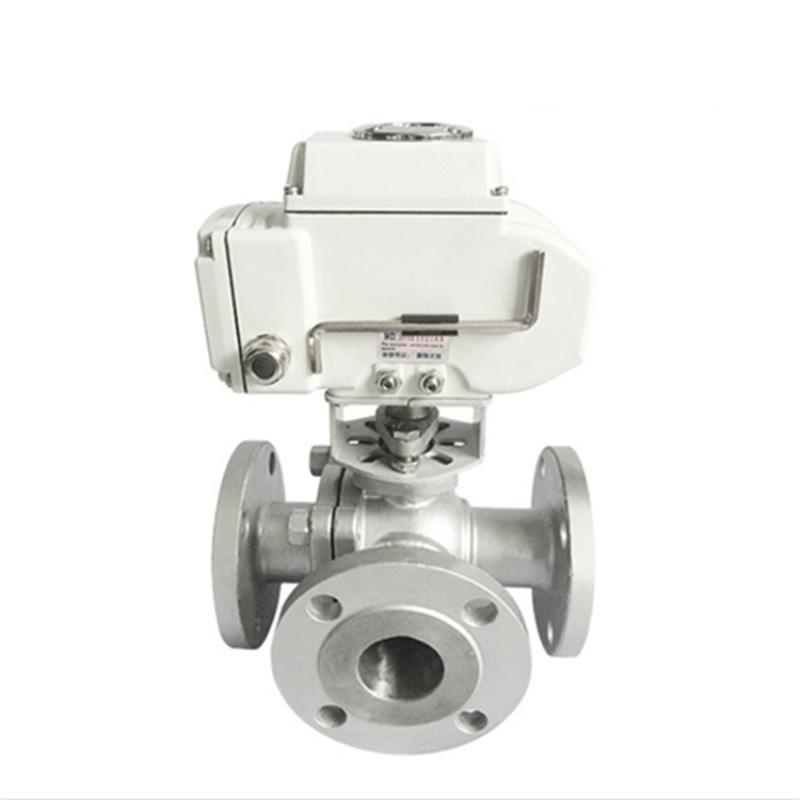
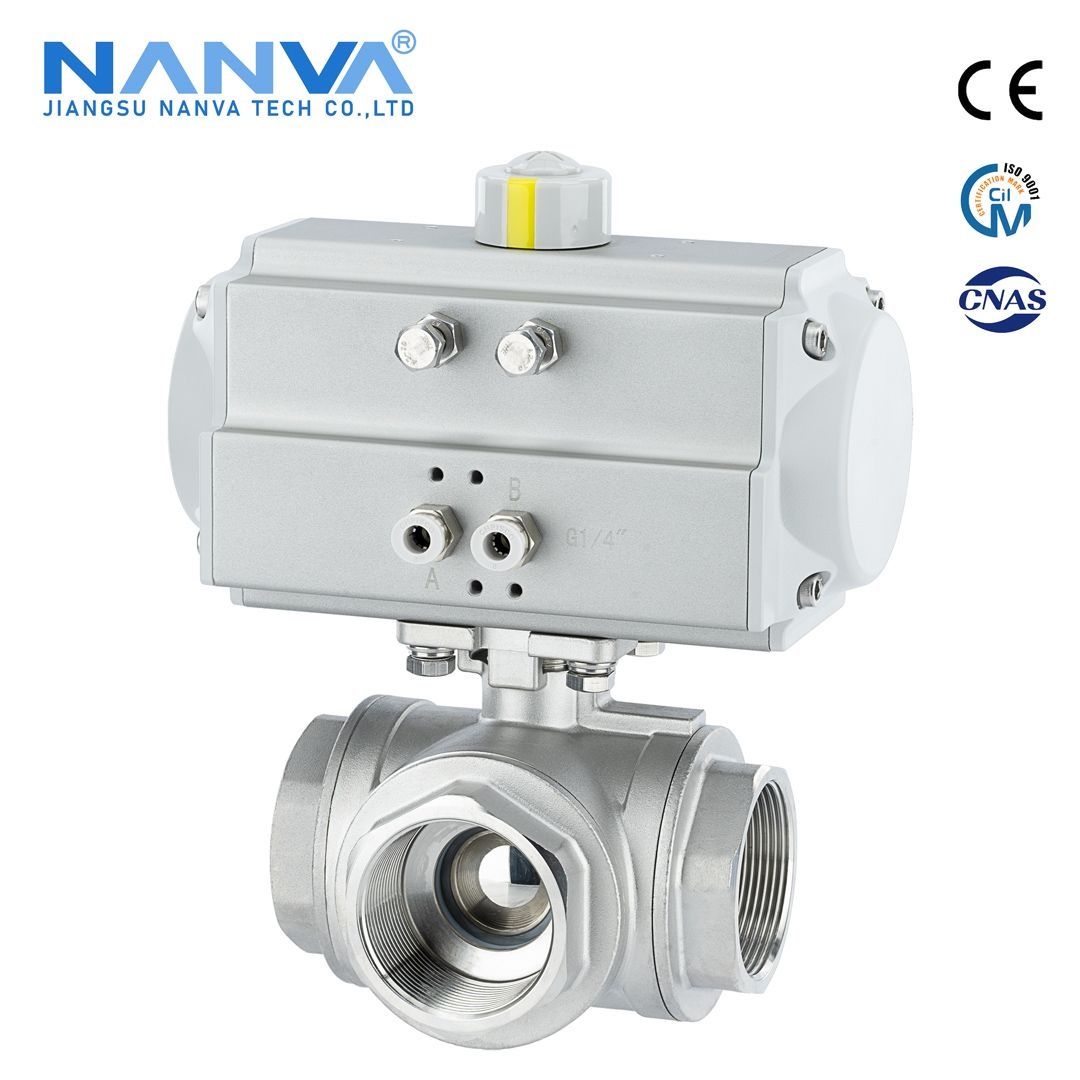
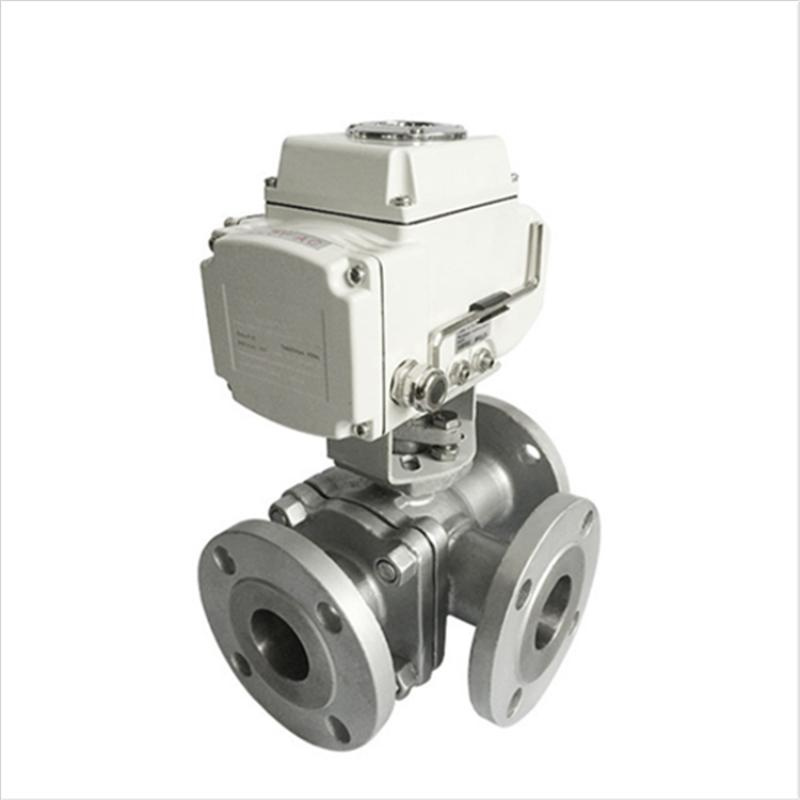
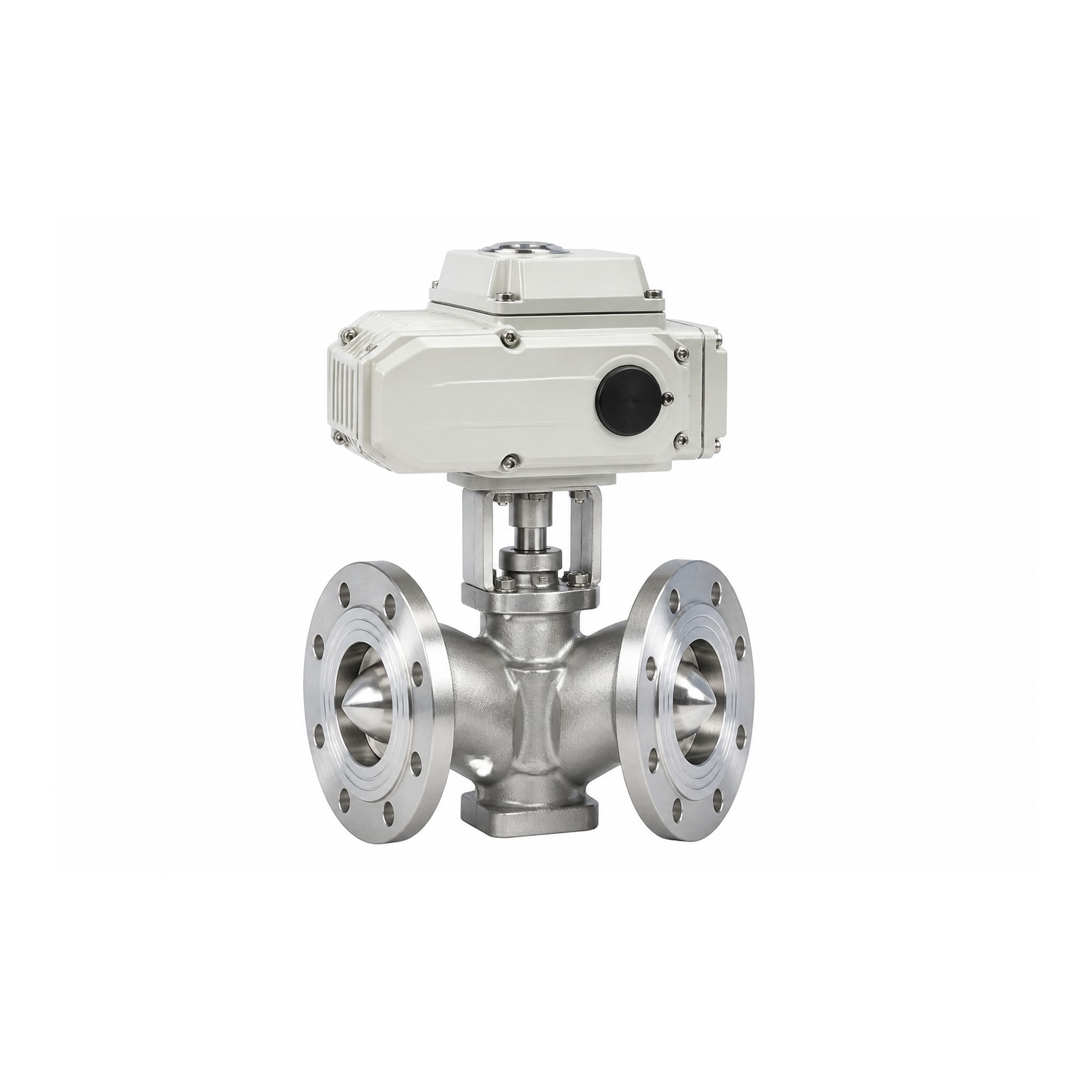
Is every three-way ball valve a T-port valve?
No. Three-way valves may have L-port, T-port or other specified passage arrangements. Provide a drawing of the required connected and isolated ports in each position. The three-way name alone does not define all possible flow paths.
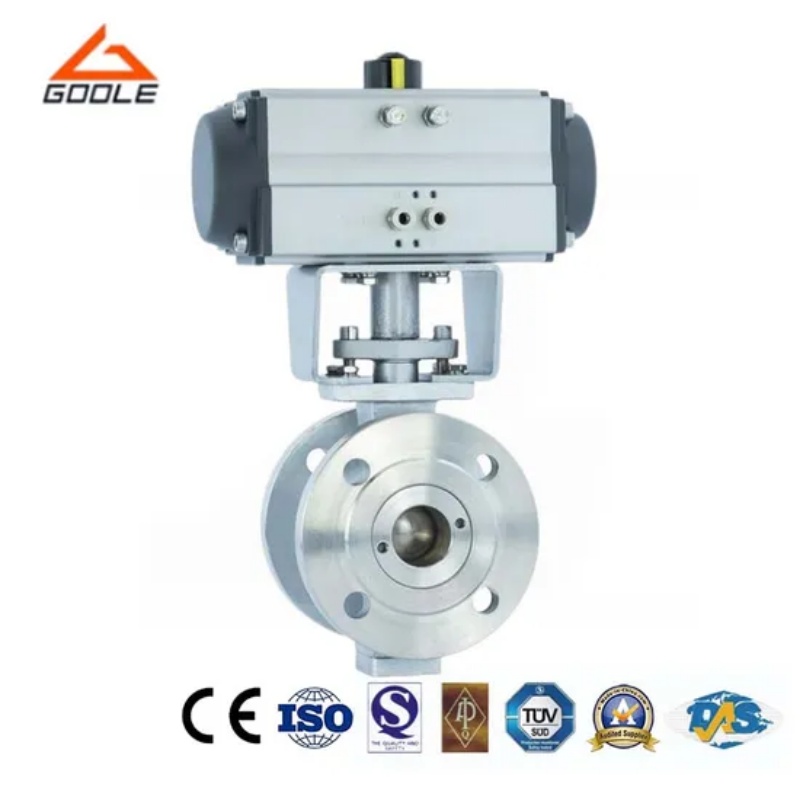
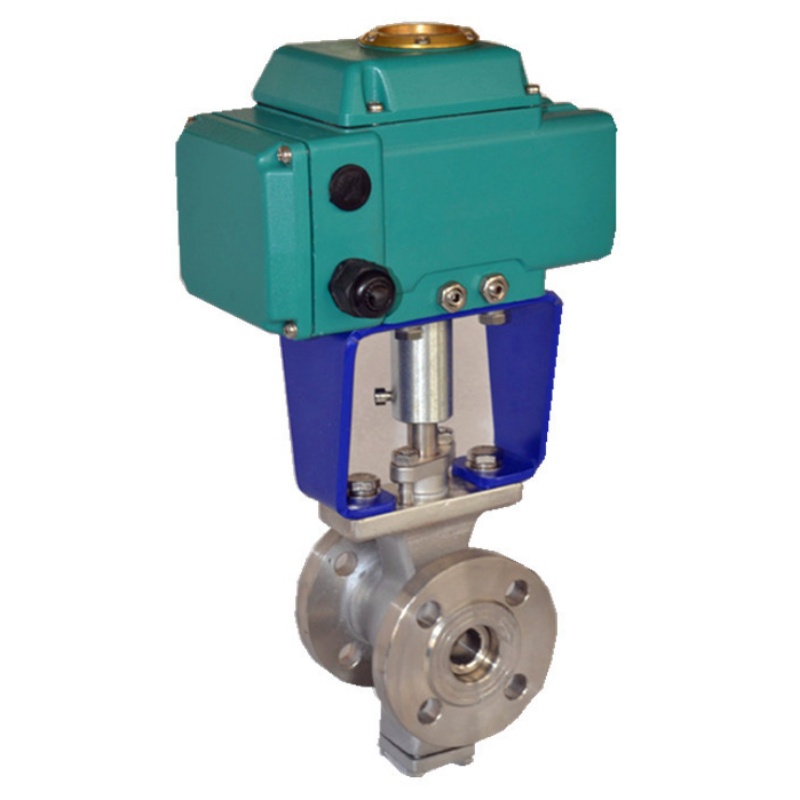
Can an ordinary O-port ball valve become a control valve by adding a positioner?
A positioner changes how valve position is controlled, not the ball or seat geometry. Continuous regulation requires suitable throttling design, flow characteristics and differential-pressure capability. Assess a purpose-designed V-port or other regulating construction against the actual duty.
Should I choose soft seats, metal seats or a fluoropolymer lining?
Compare medium compatibility, temperature, particles, pressure differential, operating frequency and leakage requirements. These constructions serve different duties; neither a metal-seat label nor a lining material alone establishes a universal operating range.
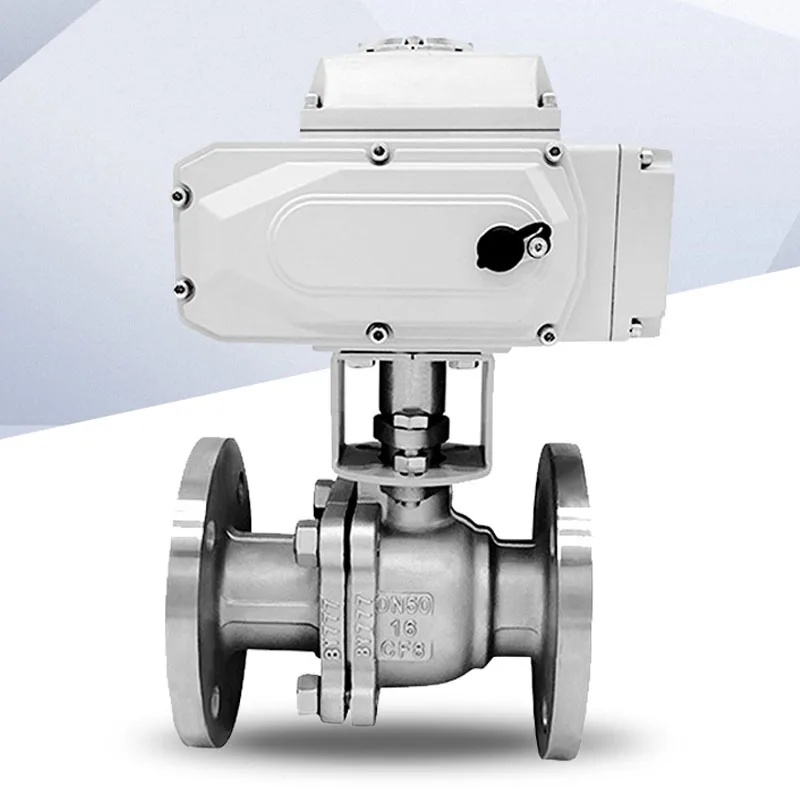
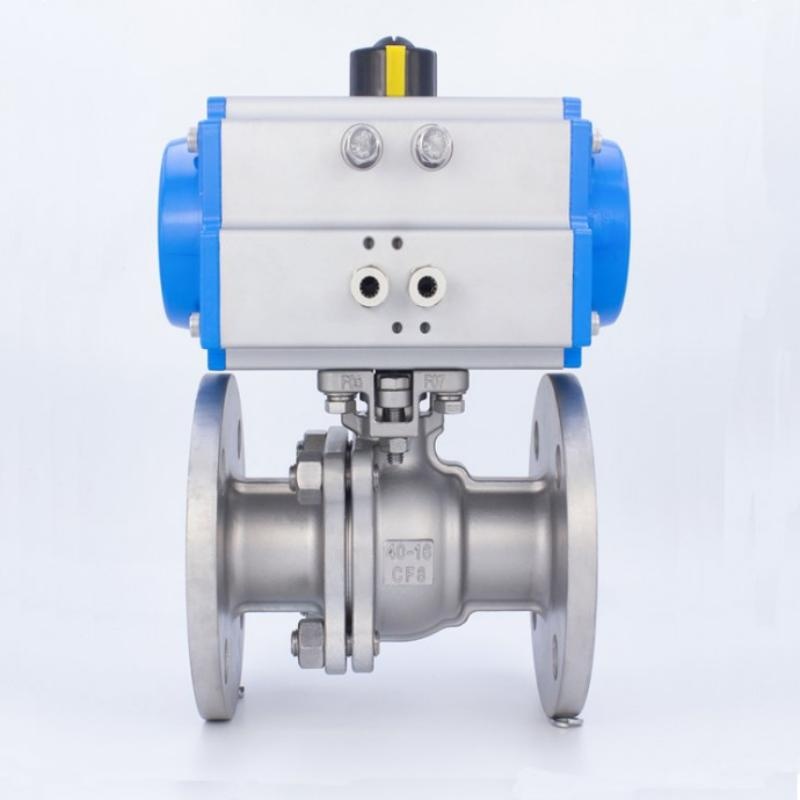
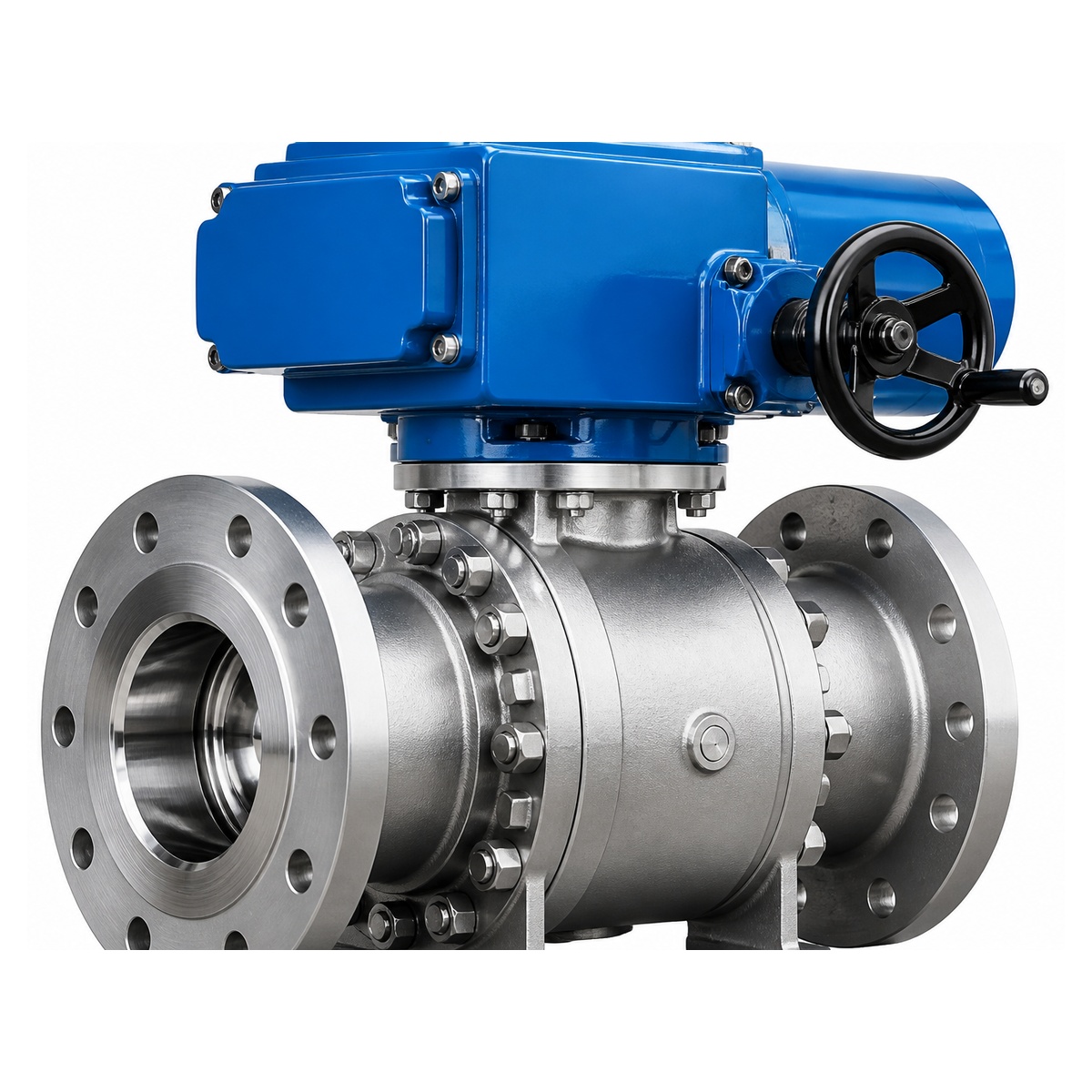
What do I need to confirm when replacing a flanged ball valve?
Check the actual flange standard, pressure designation, facing, bolt pattern, face-to-face length, bore and materials. Also verify operating torque, space and actuation requirements. Matching nominal size alone does not establish interchangeability.


 简体中文
 Japanese
 Korean
 Russian
 繁体中文
 Español


 Home
 Valve selection
 news information
 Contact us