Control Valves: selection and purchasing questions
Select a control valve by the medium, flow range, upstream and downstream pressures, temperature and required shut-off performance. Then match the trim, flow characteristic and actuator to the process. A model name or pipe diameter alone is not a sizing calculation.
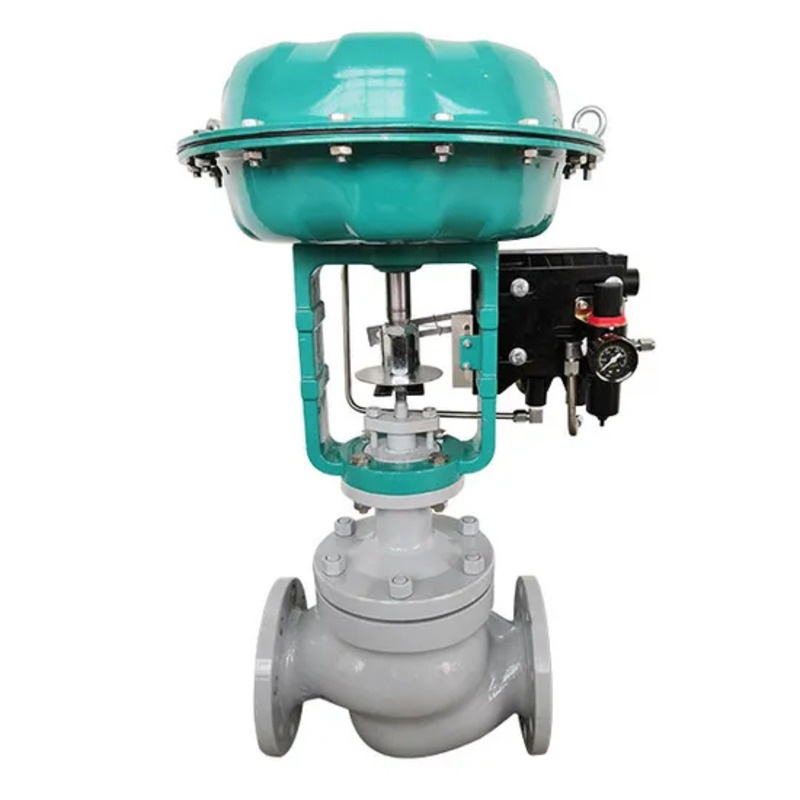
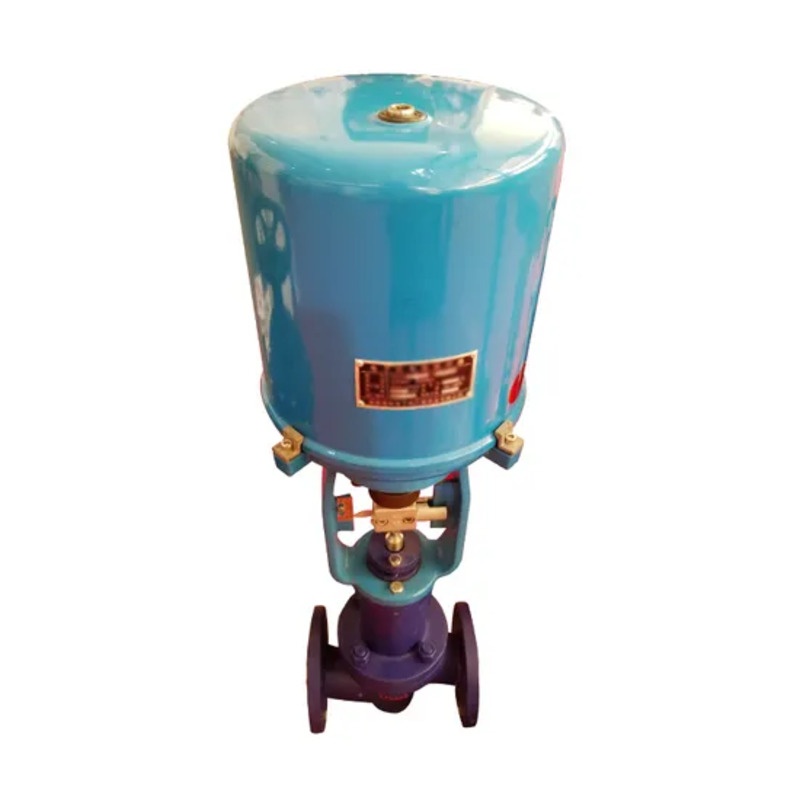
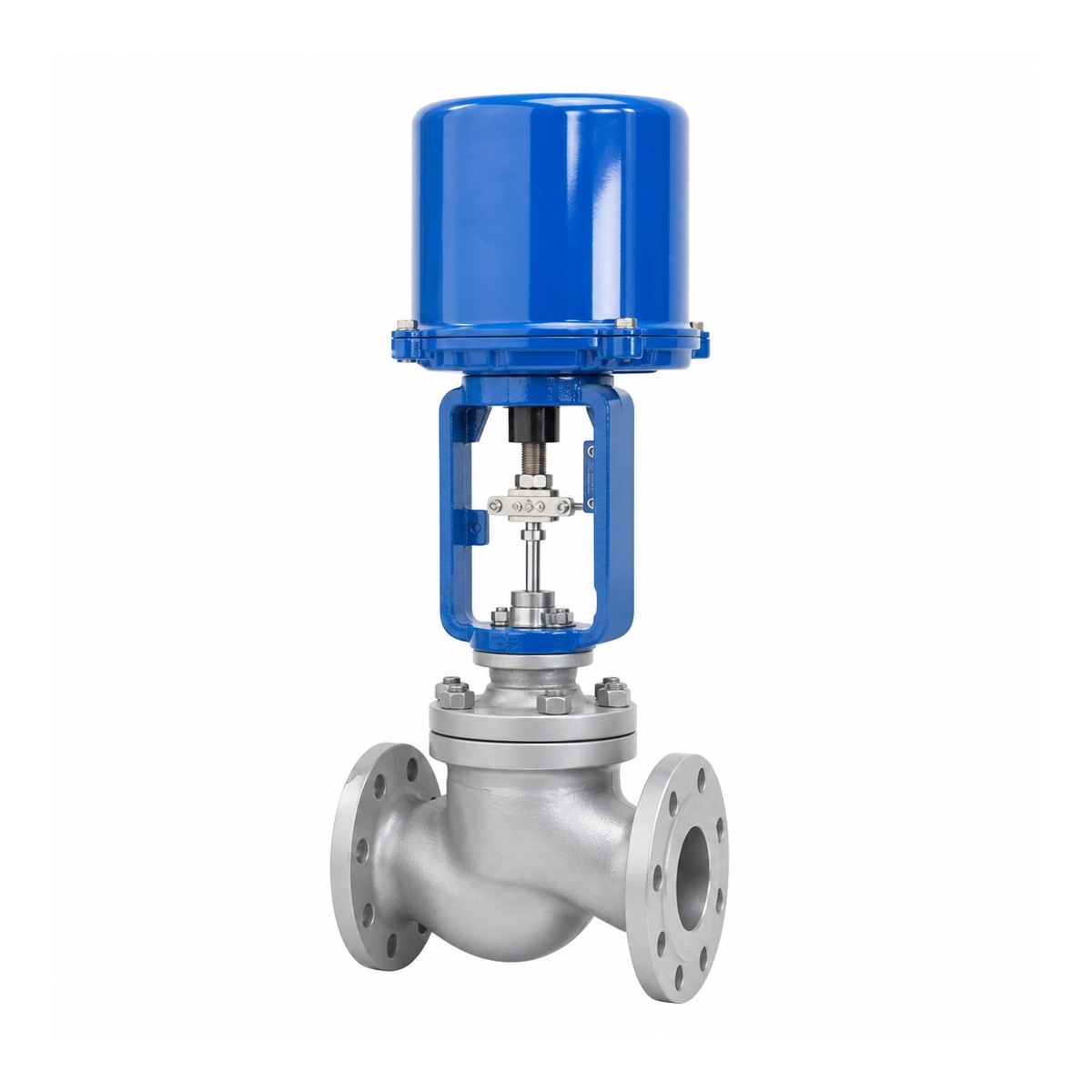
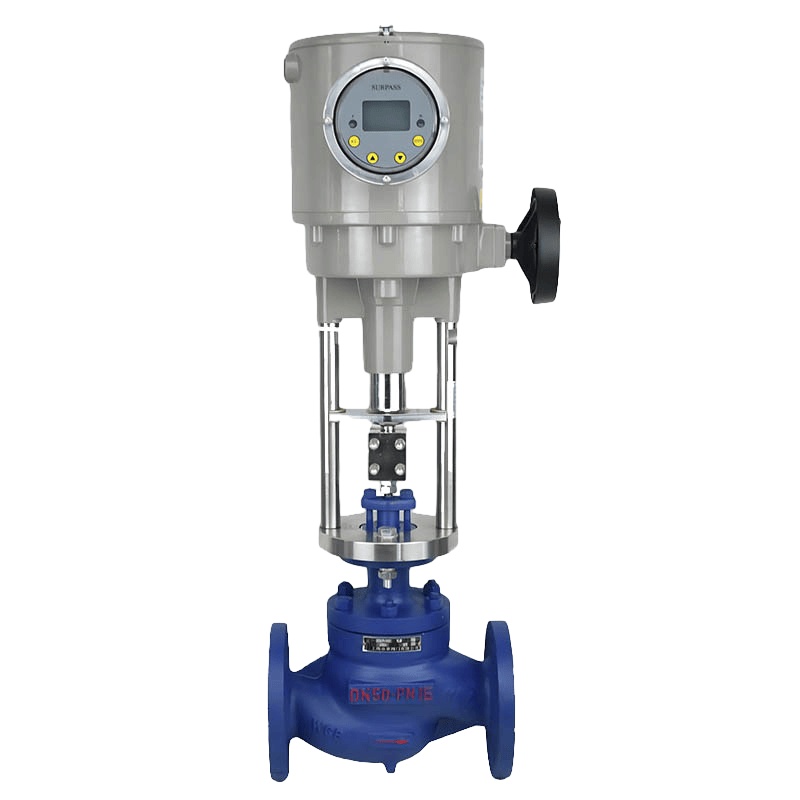
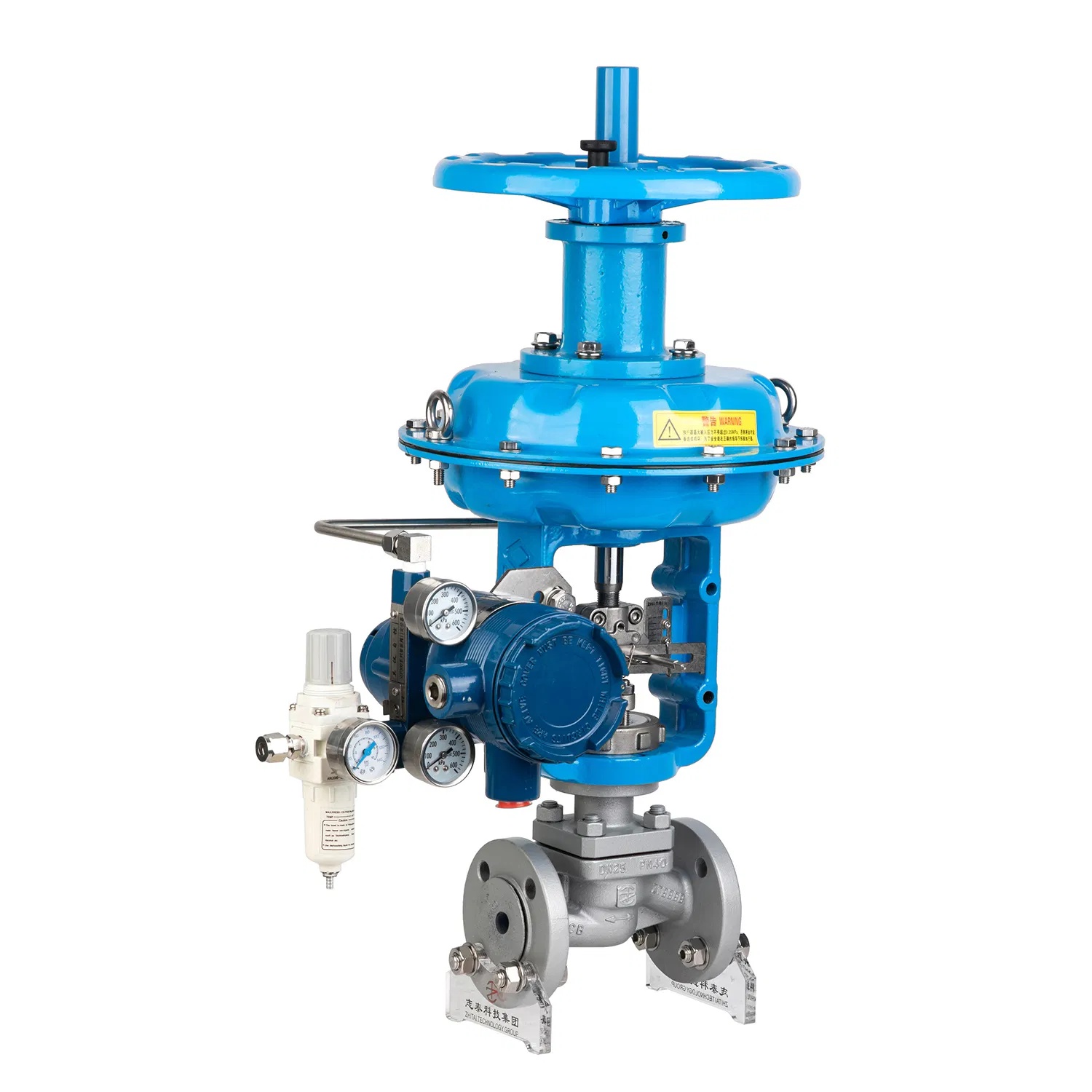
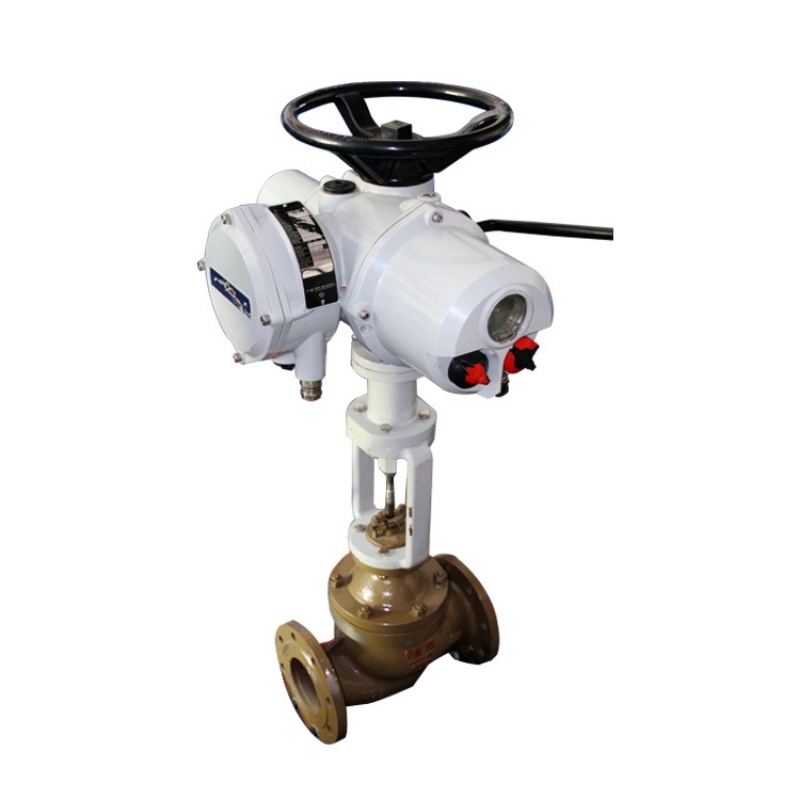
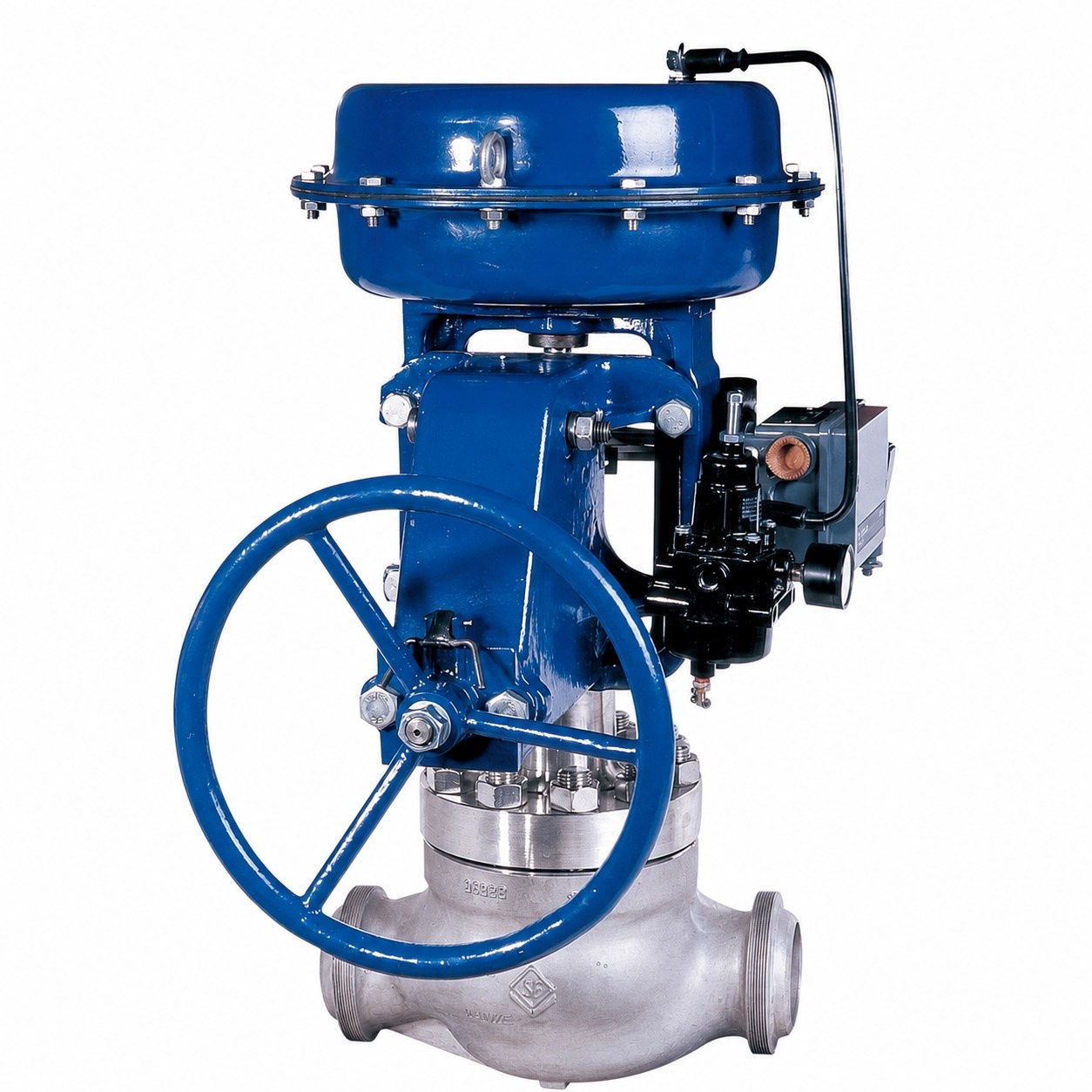
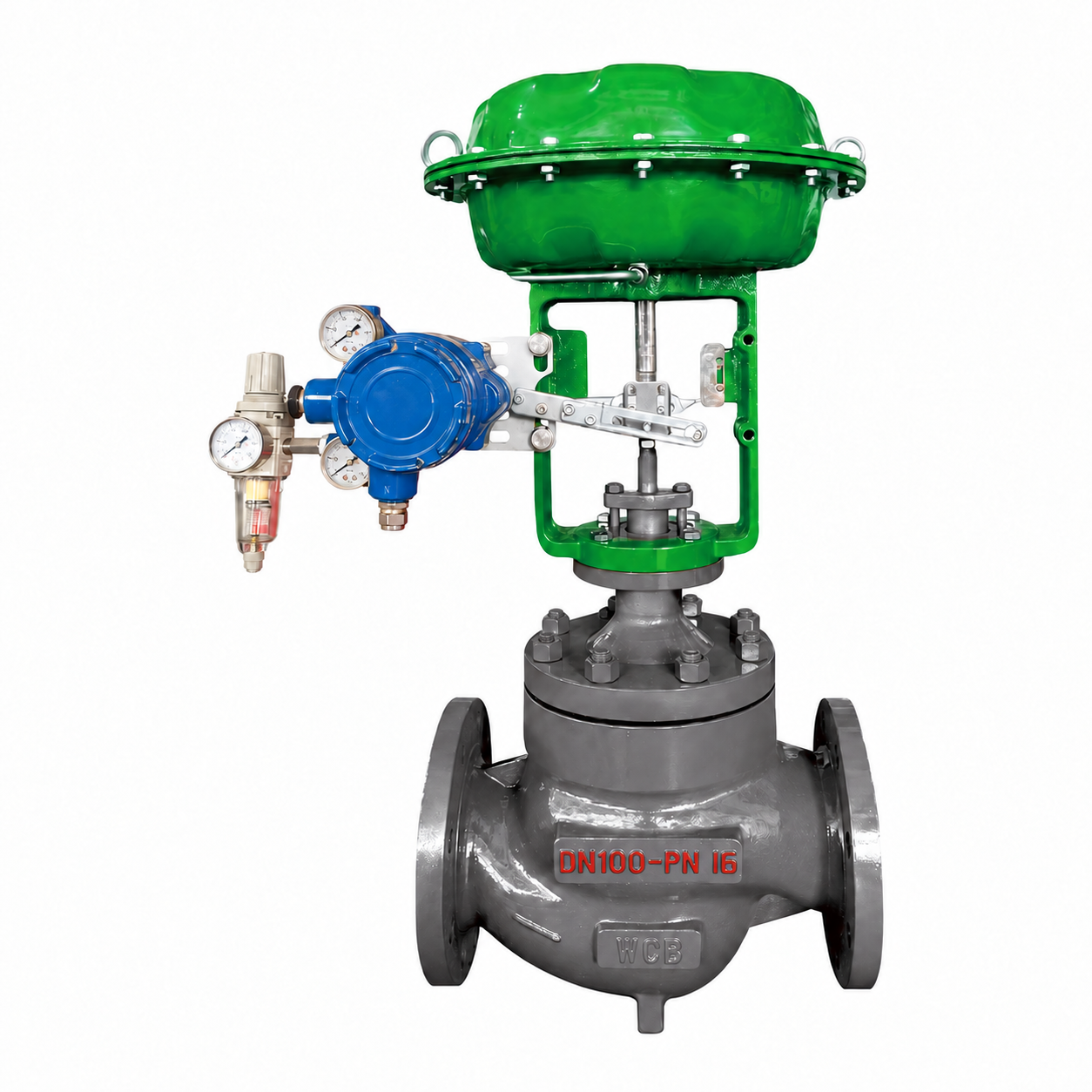
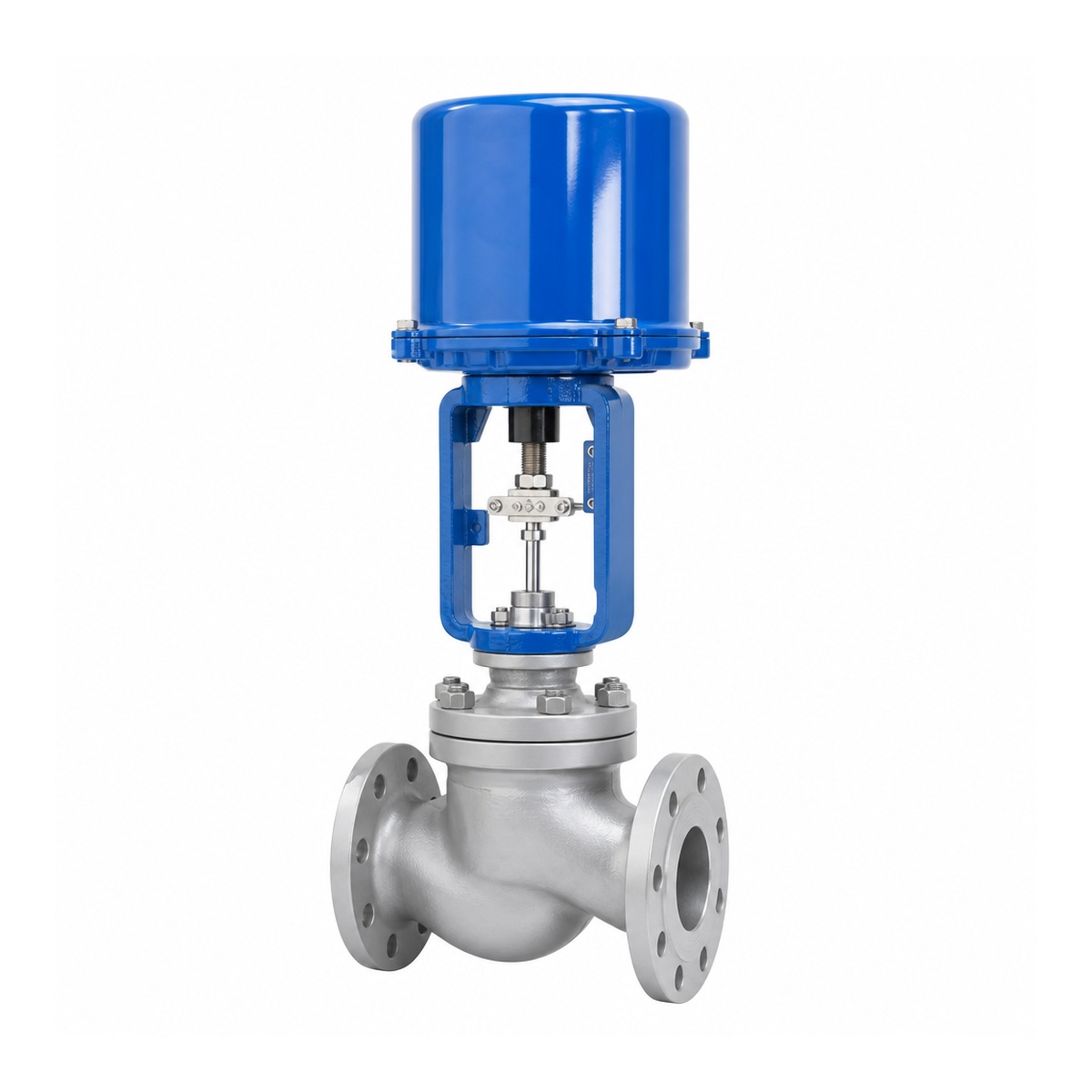
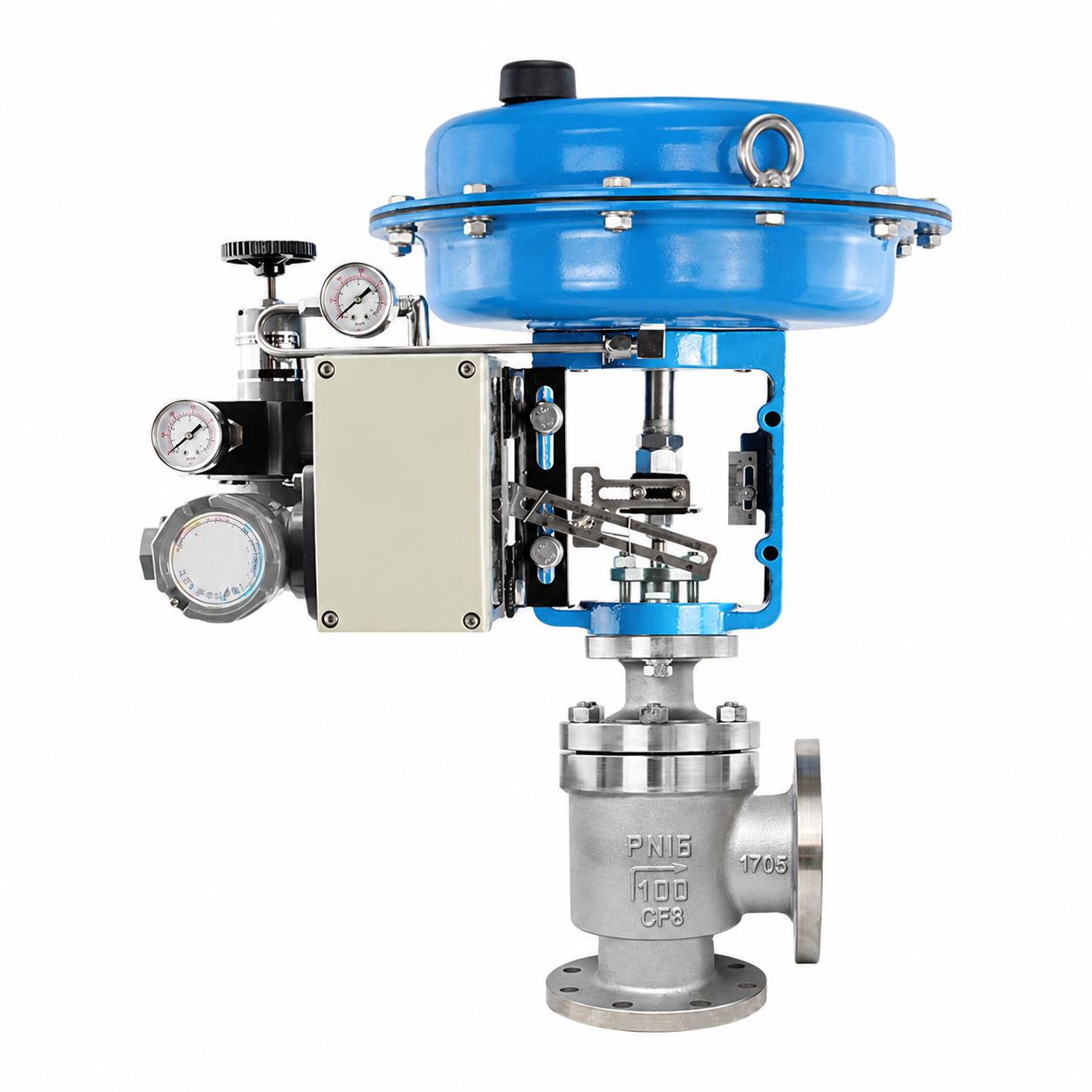
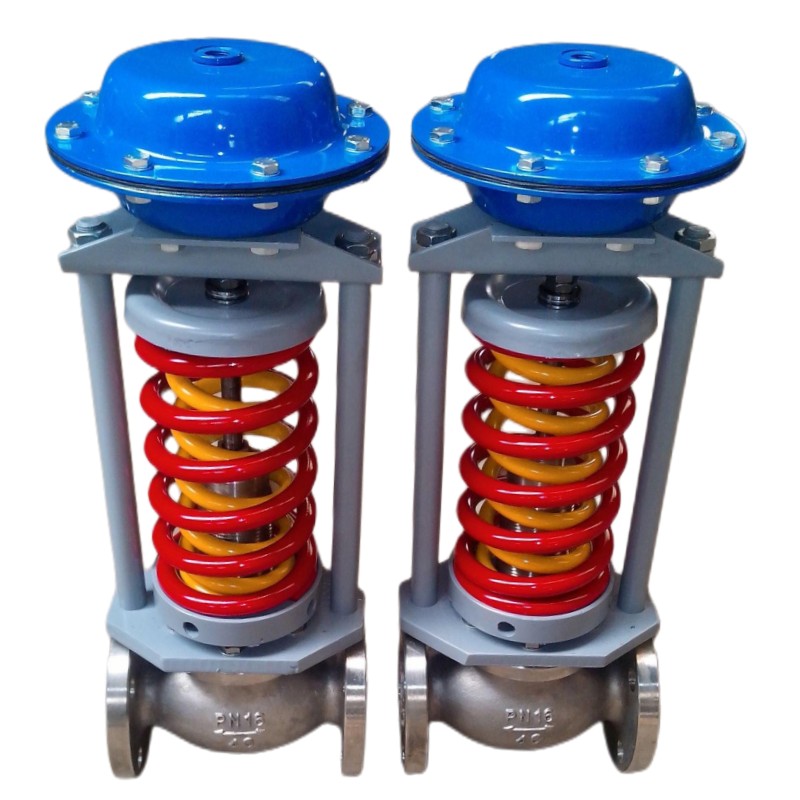
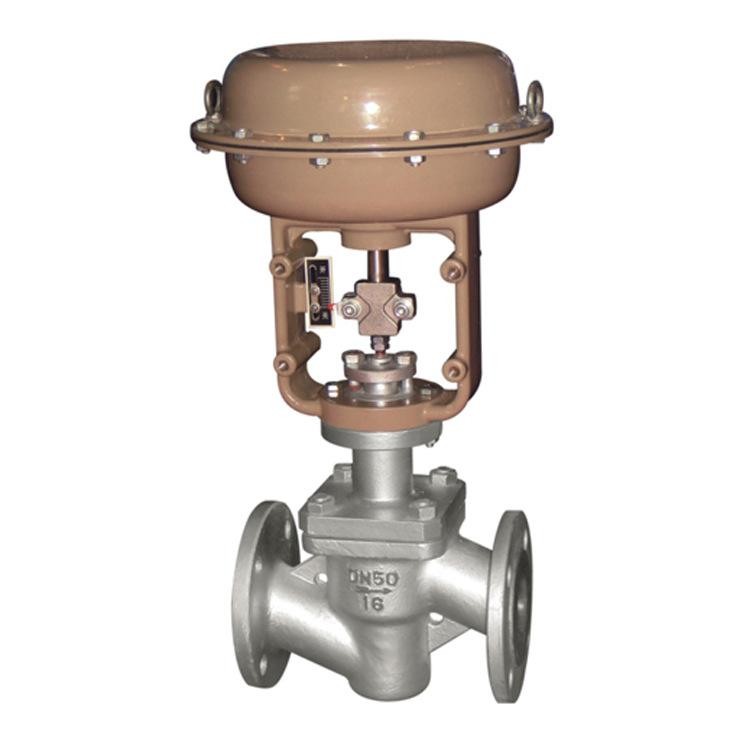
This range contains different control valve constructions and actuation methods. Use the individual product data to confirm the offered configuration; do not transfer one model's ratings or accessories to the whole range.
Continue with the existing technical guides: Cv, Kv and flow characteristics, Single-seated vs cage-guided control valves, Pneumatic vs electric control valves.
What information do I need for control valve sizing?
Provide the medium and phase, temperature, minimum/normal/maximum flow rates, upstream and downstream pressures at the relevant duties, pipe and connection details, and leakage requirements. Include density, viscosity or other properties where needed. Cv/Kv and usable travel must be checked against these conditions.
Should I choose single-seated or cage-guided trim?
Compare the required flow range, shut-off differential pressure, leakage acceptance, noise, cavitation or erosion risks and maintenance conditions. A cage is not automatically low-noise or suitable for every high pressure drop, and a single seat does not automatically guarantee lower leakage. Use the actual trim design.
How do I choose pneumatic or electric control valve actuation?
Start with the available air or electrical supply, control and feedback interfaces, operating frequency and required failure position. Match actuator output and travel to the valve load. Specify air loss, power loss and signal loss separately instead of assuming a universal fail-safe action.
Can a modulating control valve also provide guaranteed tight isolation?
Only if the specified valve assembly meets the required shut-off and leakage acceptance under the agreed conditions. Modulation capability does not establish an isolation rating or zero leakage. State the test conditions and any separate isolation requirement in the enquiry.


 简体中文
 Japanese
 Korean
 Russian
 繁体中文
 Español
 Home
 Valve selection
 news information
 Contact us