Pneumatic Valves: selection and purchasing questions
Choose a pneumatic valve by the process duty first, then confirm instrument-air conditions, actuator output, accessory scope and the position required after a failure. Air-powered actuation does not by itself define the valve body, seat, control signal or shut-off performance.
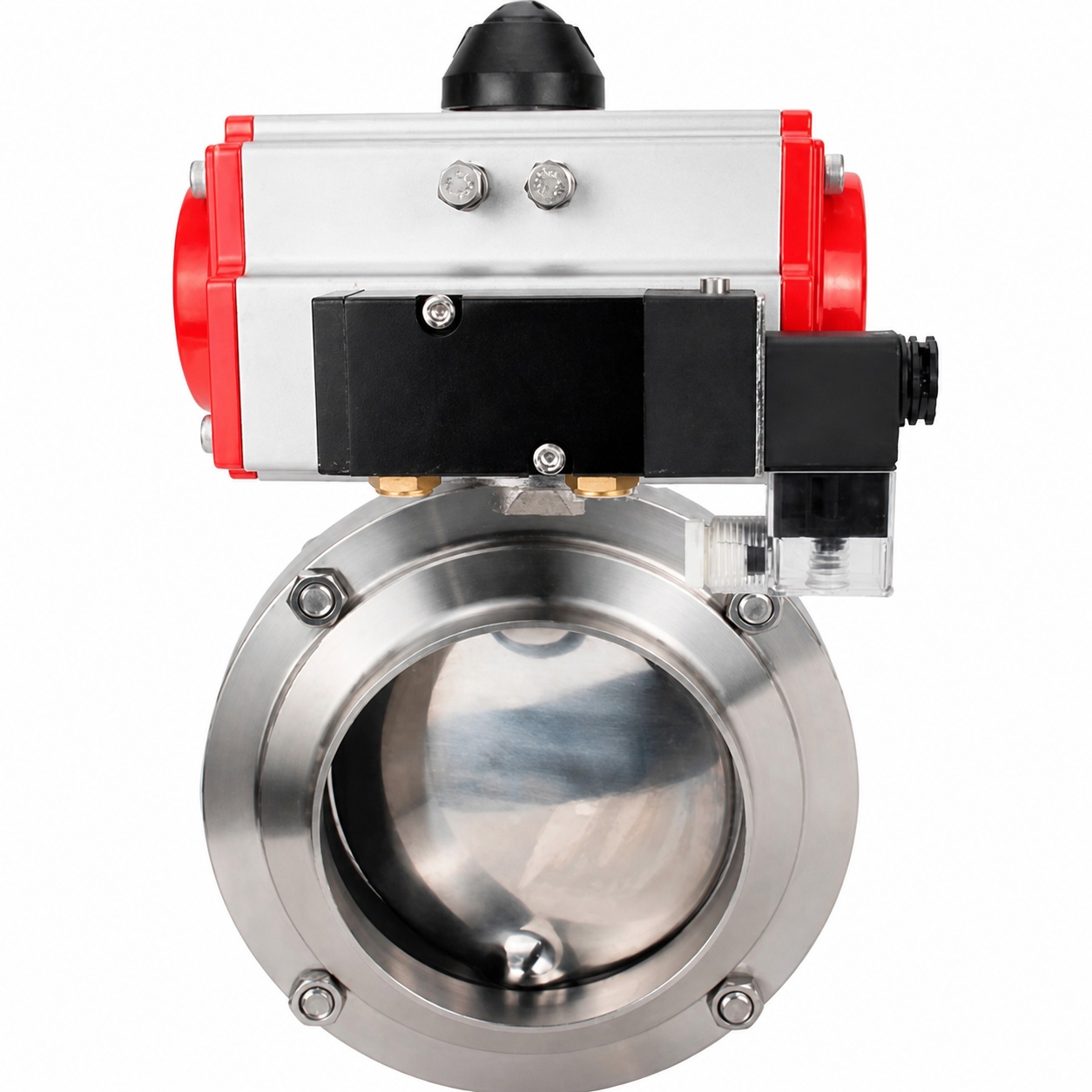
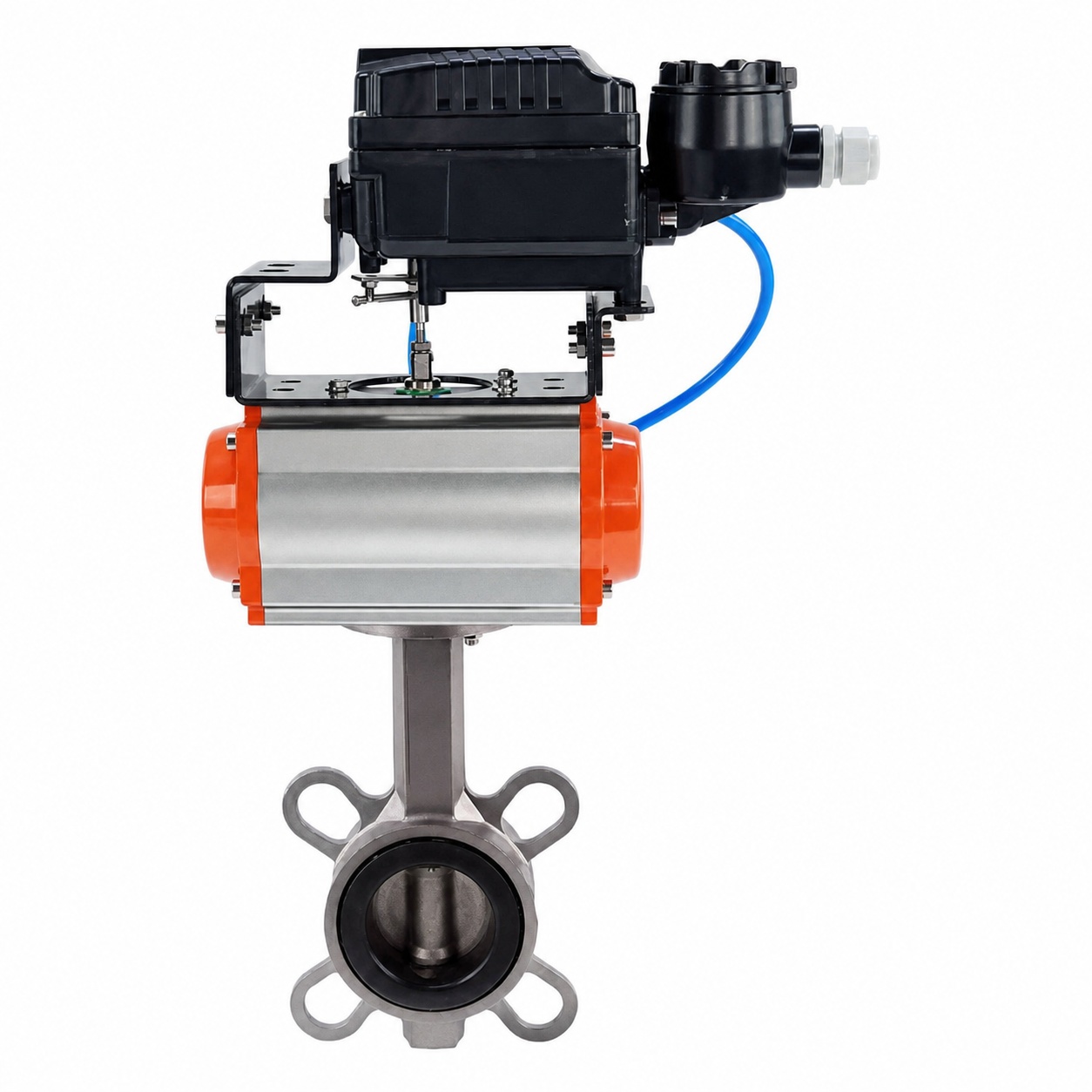
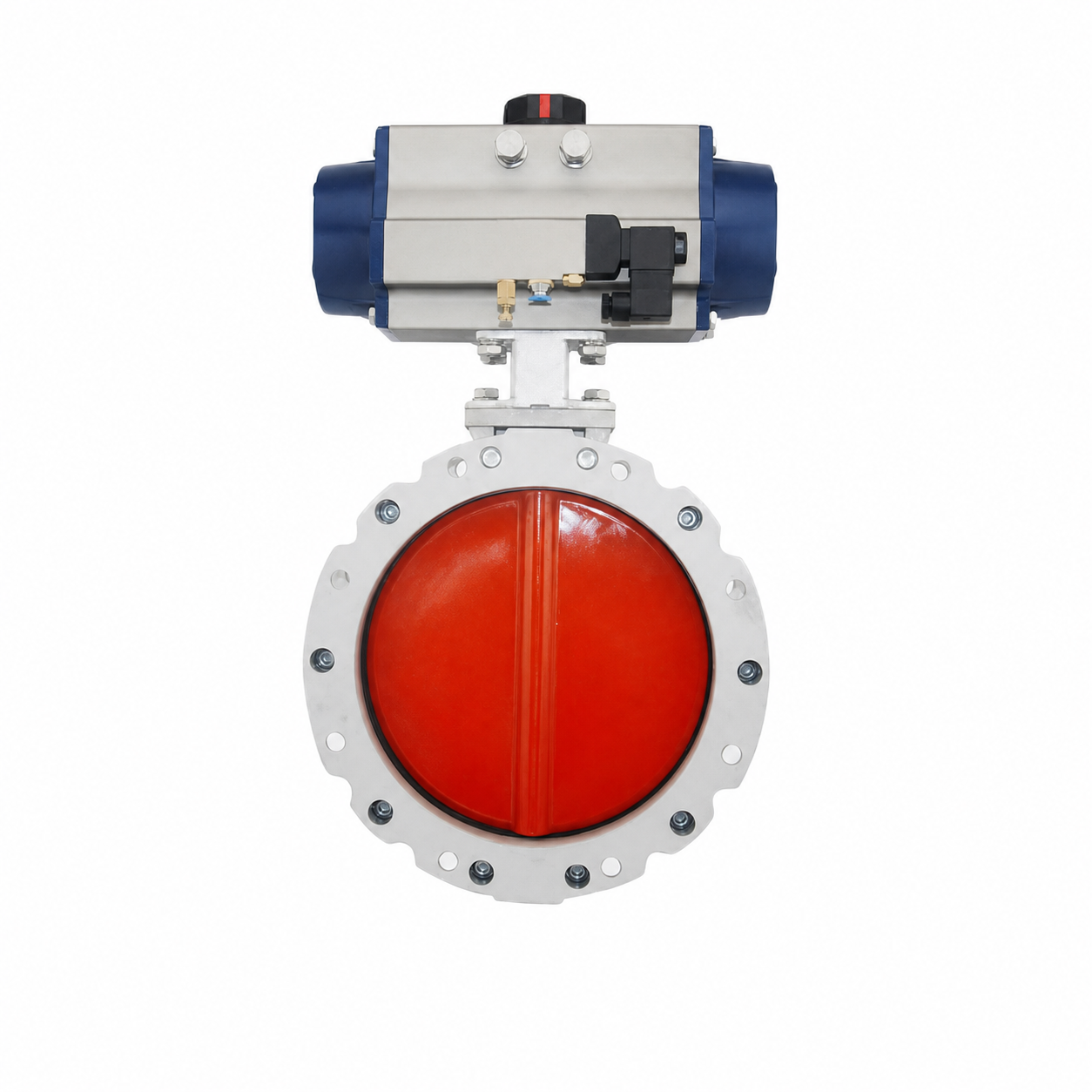
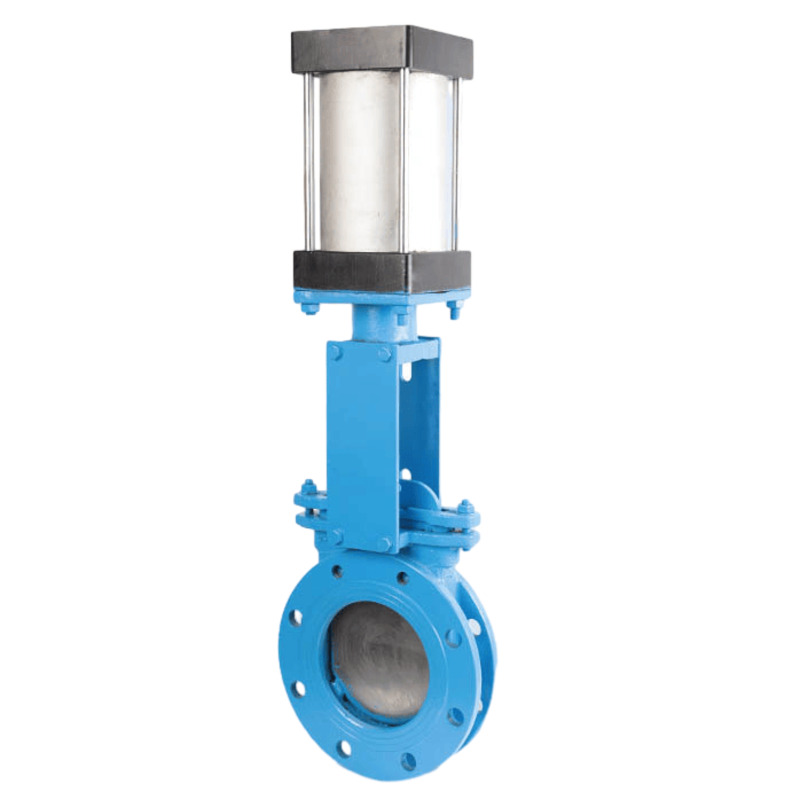
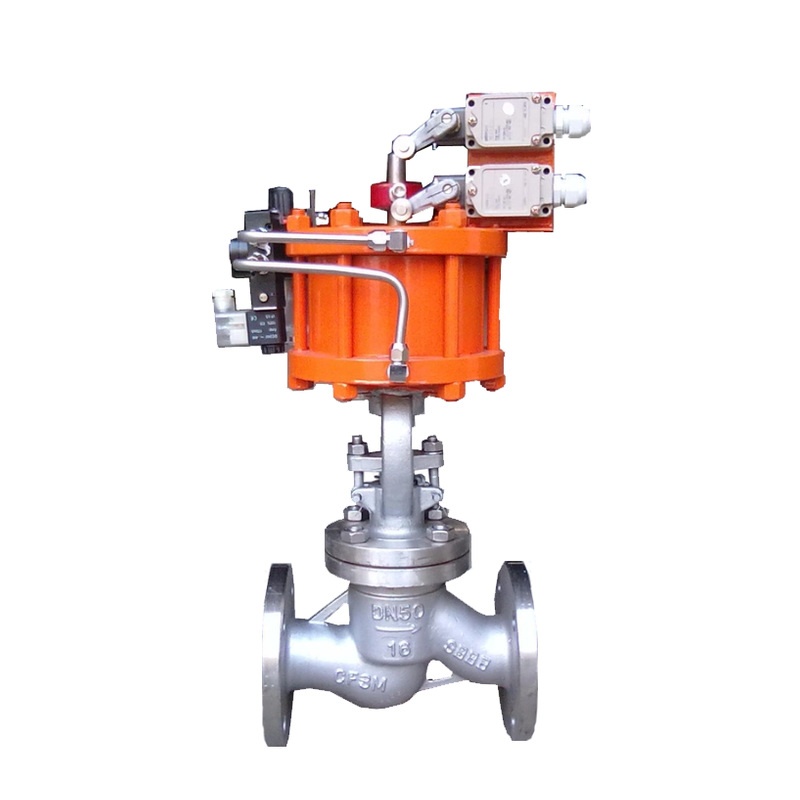
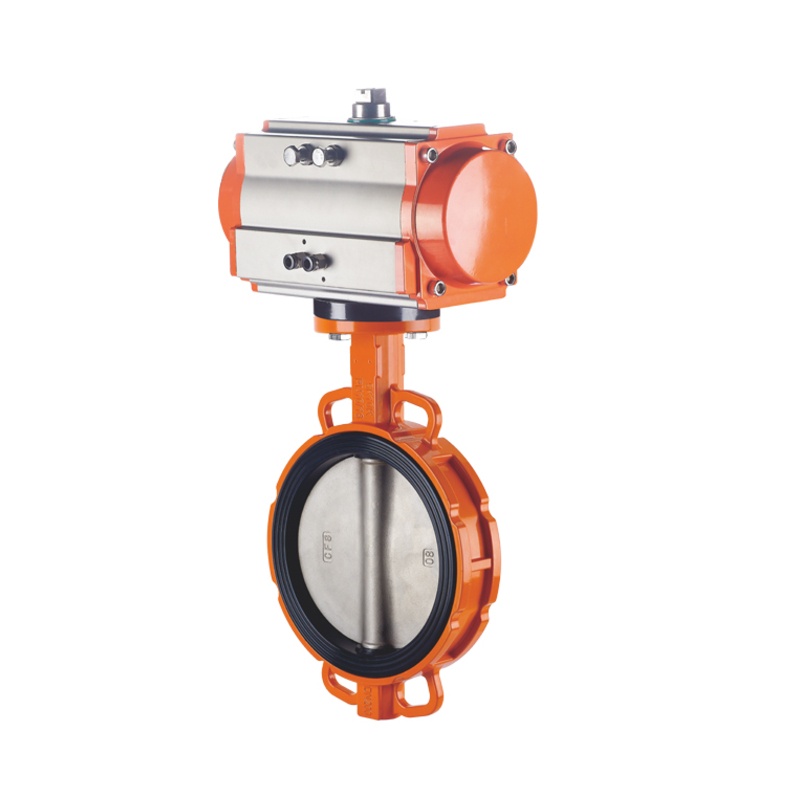
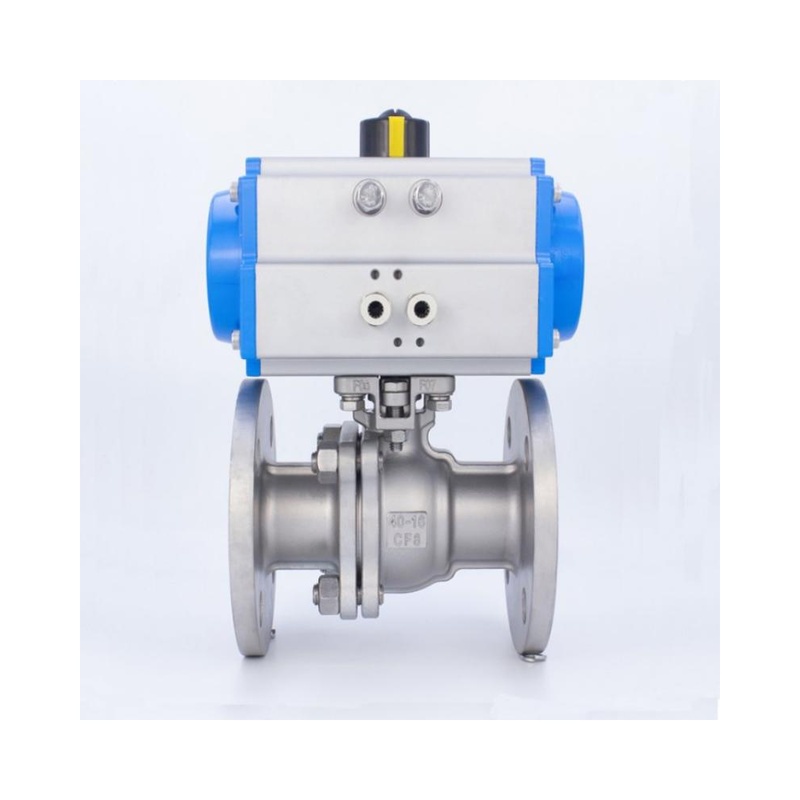
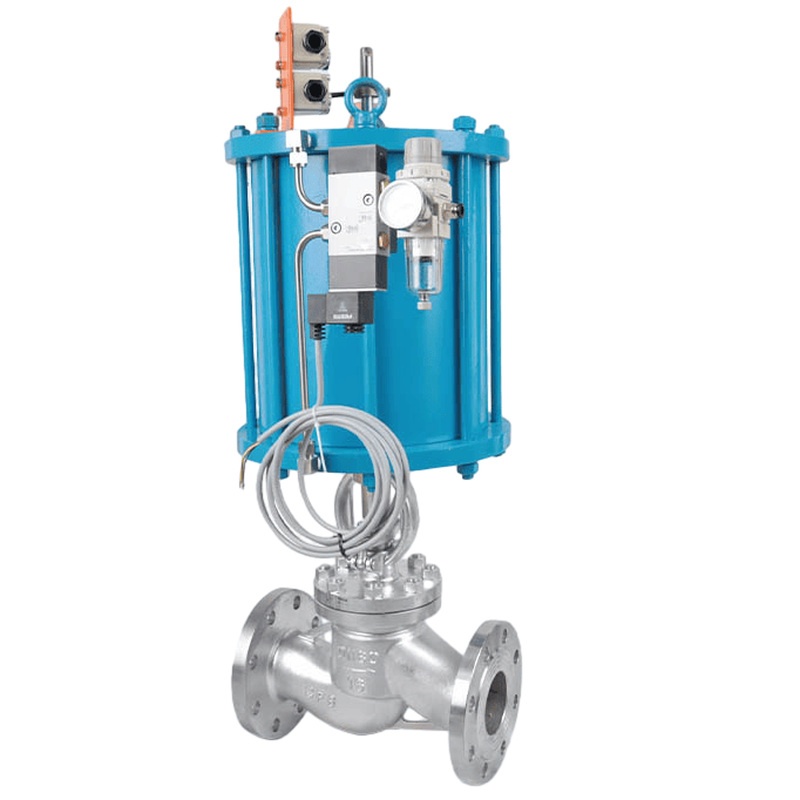
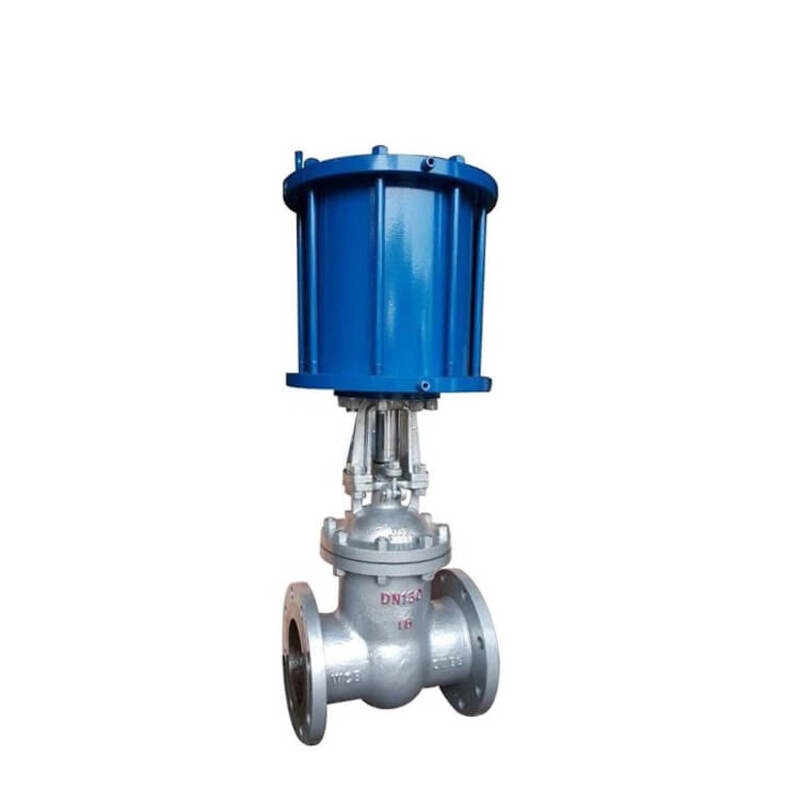
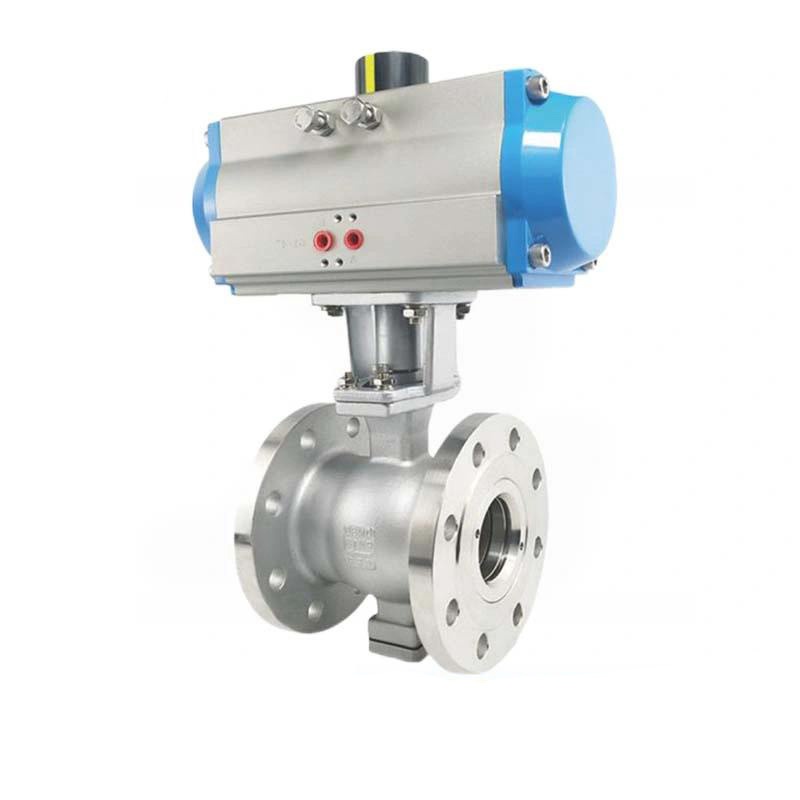
The range includes different valve types and both switching and modulating applications. Confirm each product's configuration and distinguish the valve, actuator, positioner, solenoid and air-treatment accessories in the quotation.
For modulating duties, compare pneumatic and electric control valve actuation; for capacity checks, use the Cv/Kv sizing guide.
What air-supply information should I provide?
State the available supply pressure and capacity, expected pressure losses, air quality and site conditions. The actuator and accessory requirements determine the suitable supply. A static pressure reading alone does not show whether the assembly has enough air during movement.
Will every pneumatic valve close when air is lost?
No. The final position depends on actuator action, springs, valve construction and the air/accessory circuit. A double-acting assembly is not automatically fail-closed or guaranteed to hold position. Specify the required actions after air, power and control-signal failure separately.
Does a pneumatic valve include 4–20 mA control and position feedback?
Not by default. A modulating package may use a suitable positioner and feedback arrangement; a switching package may use different accessories. Specify the control input, feedback, communications, solenoid and power requirements individually.
What should be included in a pneumatic valve enquiry?
Provide the medium, temperature, working and shut-off pressures, size, connections, body/seat materials, switching or modulating duty, frequency, air supply, control/feedback requirements and failure position. Include hazardous-area, enclosure and maintenance requirements where applicable.


 简体中文
 Japanese
 Korean
 Russian
 繁体中文
 Español


 Home
 Valve selection
 news information
 Contact us