Fouten Fouten Fouten
15961836110

Gate Valves: customer selection questions

Can I leave a gate valve partly open to regulate flow?

An ordinary isolation gate valve should not be selected for sustained throttling. Partial opening can expose the gate and seats to concentrated flow, vibration and wear. If flow regulation is required, provide the flow range and pressure drop and specify a valve designed for that duty. A modulating actuator alone does not make the gate suitable for throttling.

Should I choose a rising-stem or non-rising-stem gate valve in a confined space?

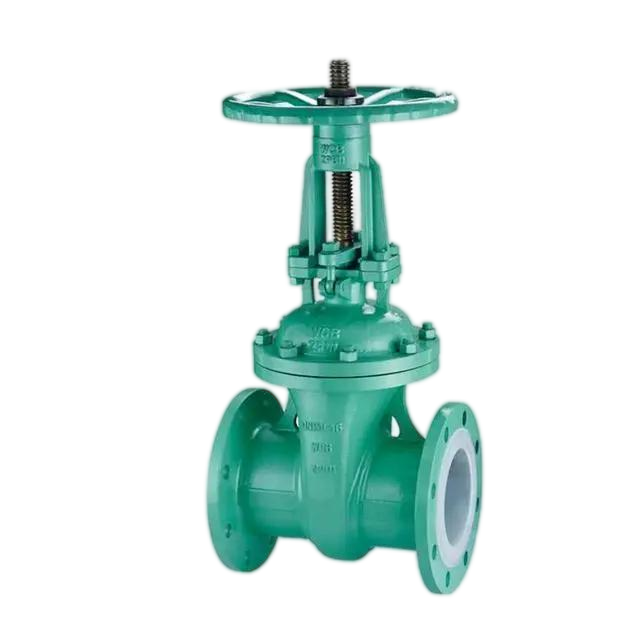
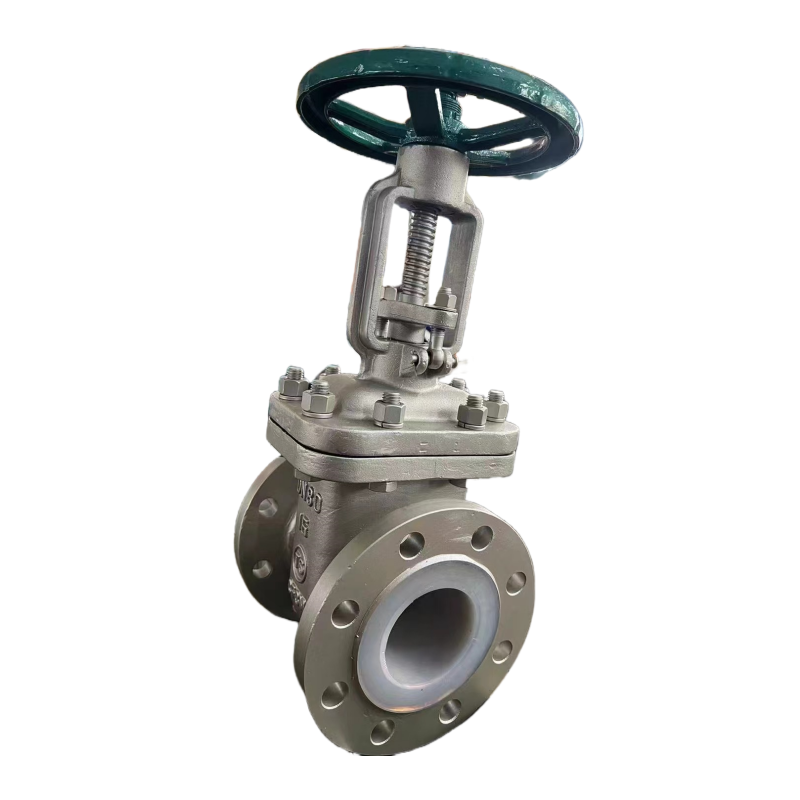
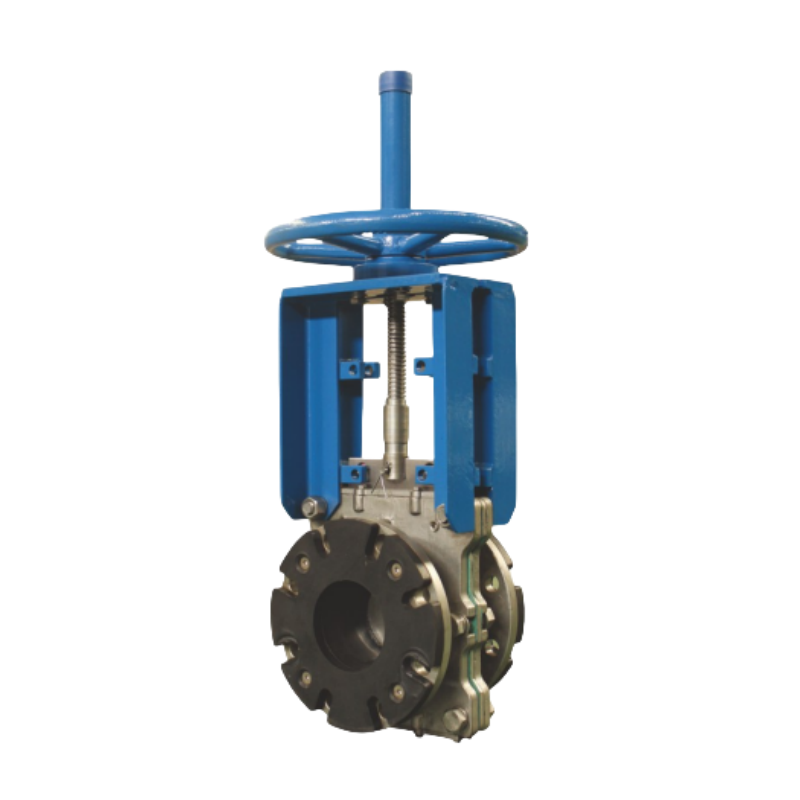
Check the full operating envelope rather than only the closed-valve height. A rising stem needs space for its travel; a non-rising arrangement still needs access to the handwheel or actuator and enough room for maintenance. Provide a site sketch with overhead clearance, access limits, mounting orientation and the required operator.

Should I use a knife gate valve or a conventional gate valve for slurry?

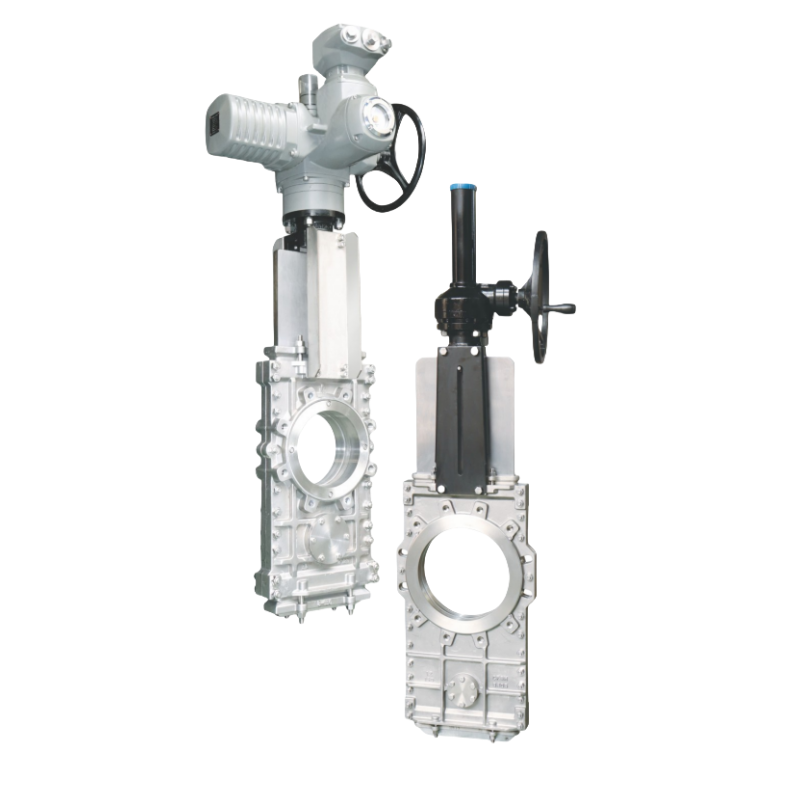
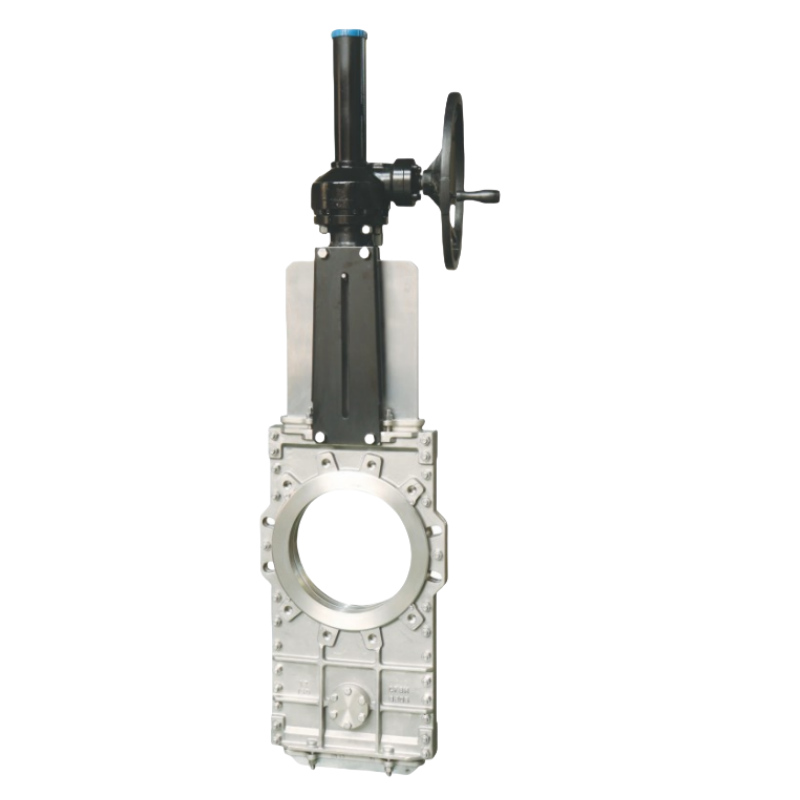
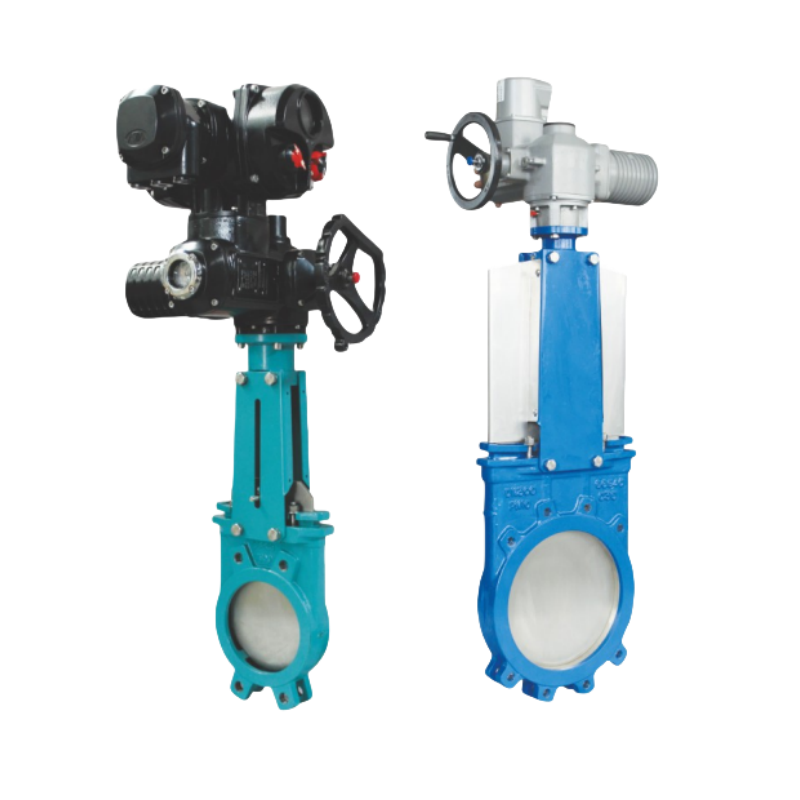
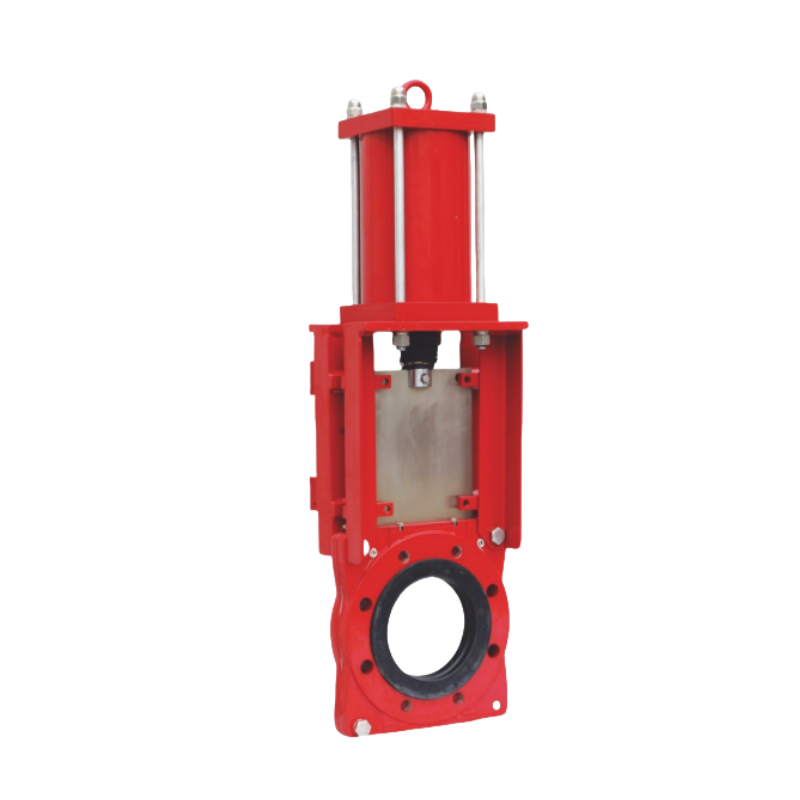
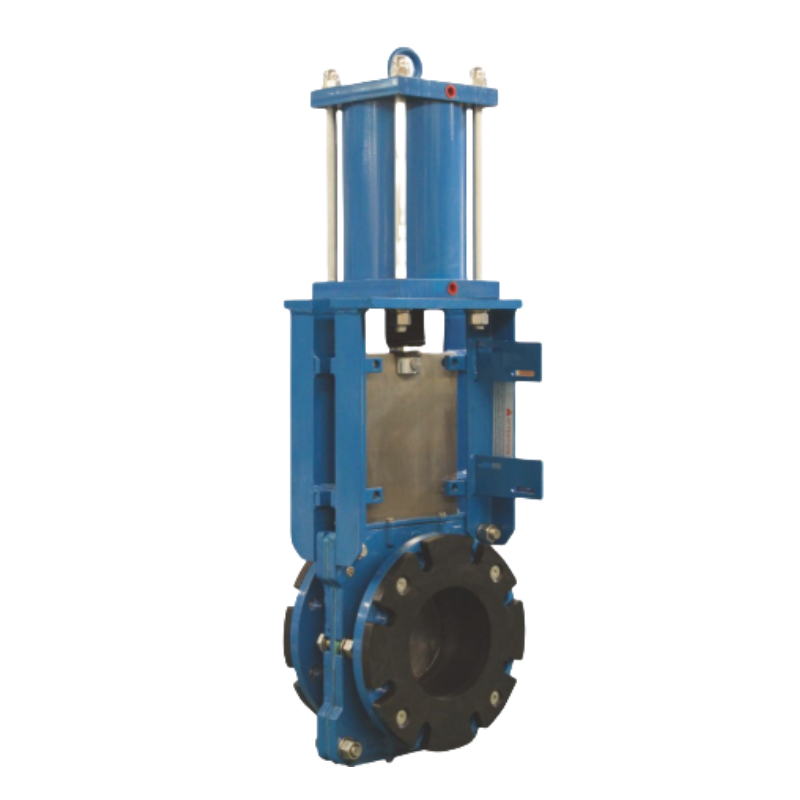
Describe the solids size, concentration, fibres, abrasiveness, settling tendency and pressure differential. A knife gate construction may suit some slurry duties, but its seat, gate support, sealing direction and pressure capability must match the service. Neither the knife shape nor a slurry label guarantees suitability for every solids-bearing fluid.

What must match when I replace an existing flanged gate valve?

Confirm the flange standard and facing, bolt pattern, face-to-face length, bore and required pressure-temperature rating, as well as body, gate and seat materials. Supply the old drawing or nameplate where possible. Also check stem clearance and the torque or thrust needed by the proposed manual, pneumatic or electric operator; matching DN alone is not enough.

Home Home Valve selectionValve selection news informationnews information Contact usContact us