Butterfly Valves: selection and purchasing questions
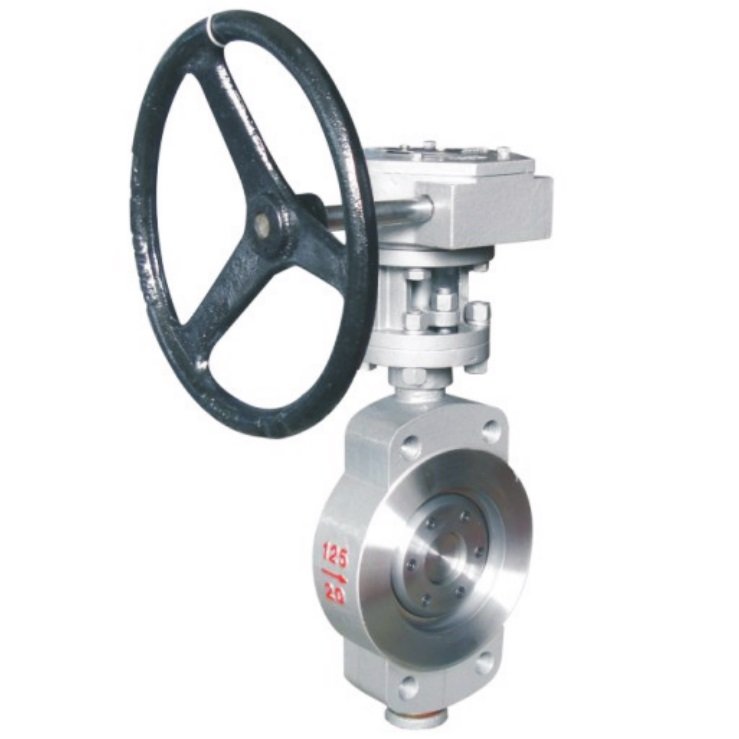
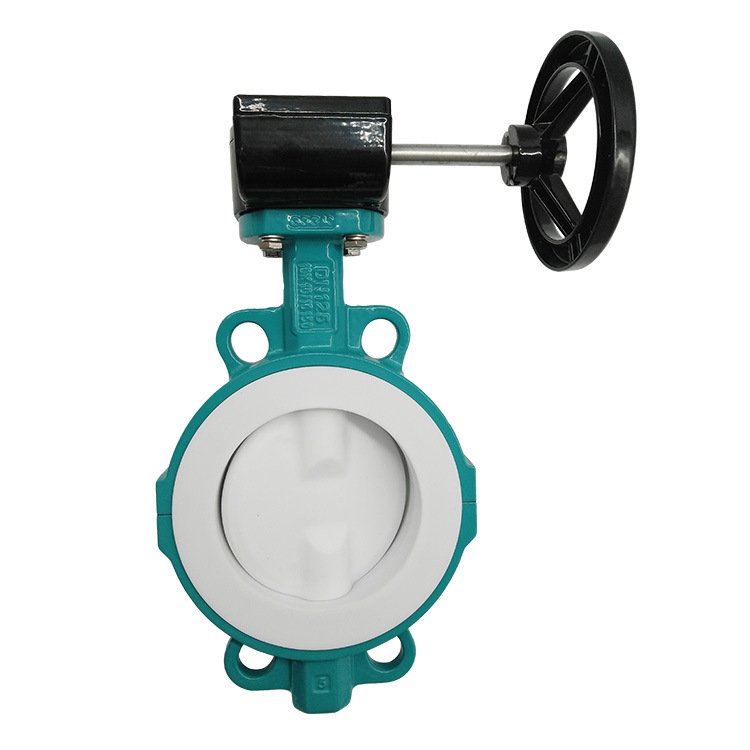
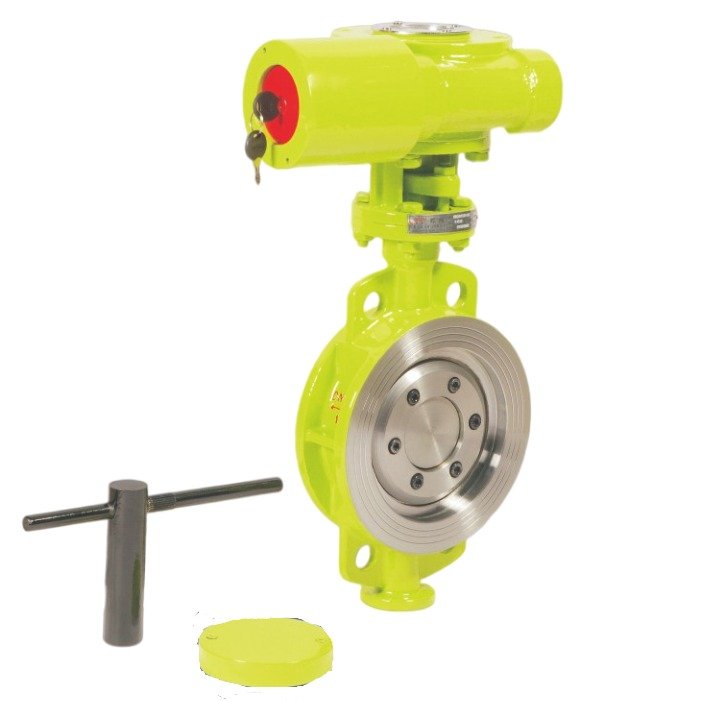
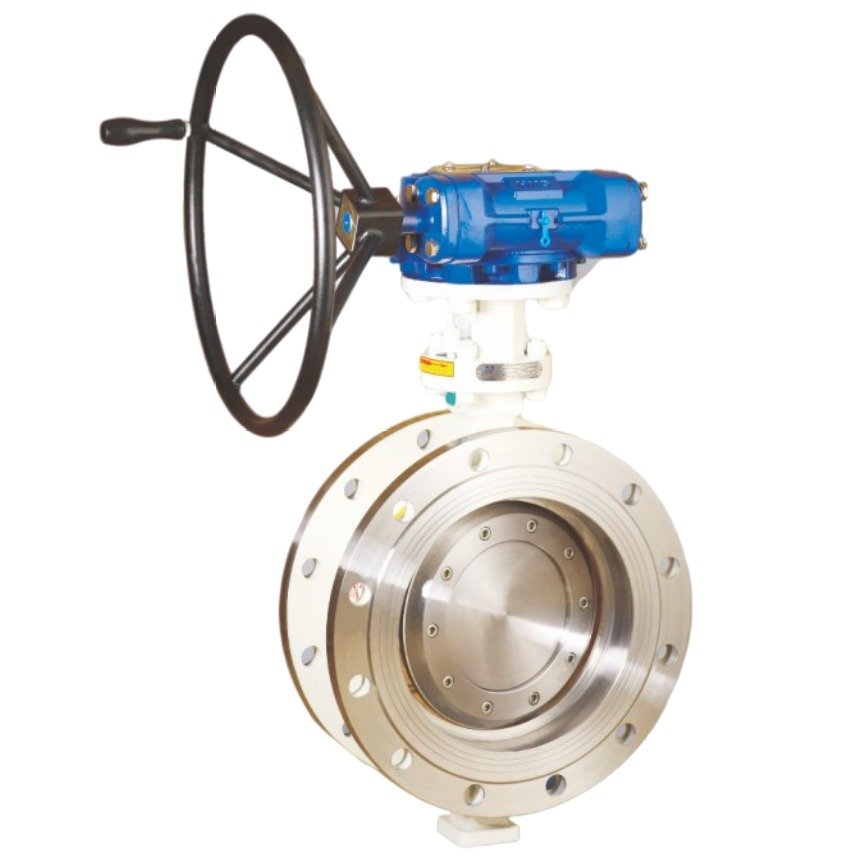
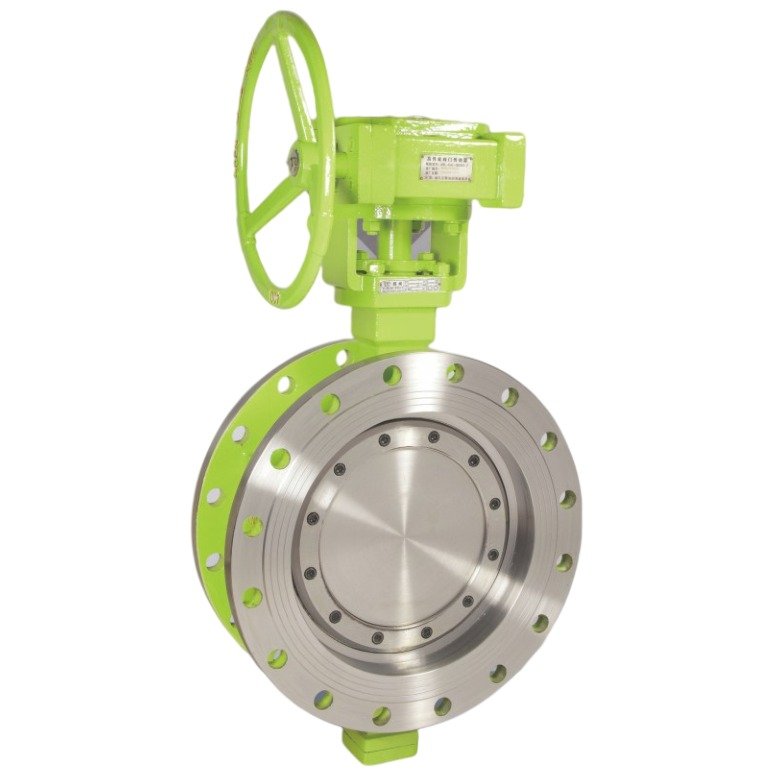
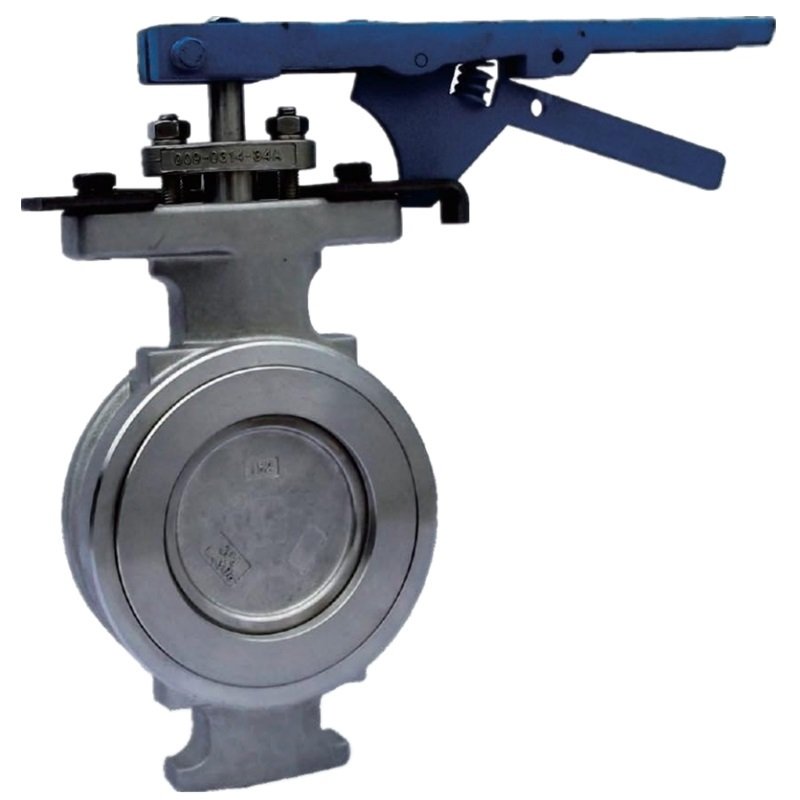
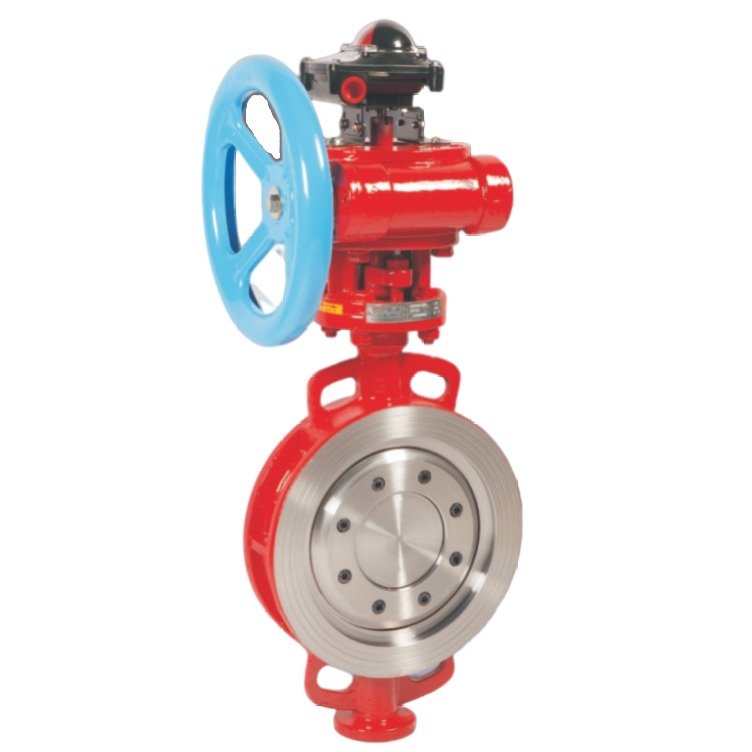
Choose a butterfly valve by connection type, sealing design, medium, temperature, pressure differential and operating duty. Wafer, lug and double-flanged connections are different arrangements; seat construction and disc geometry must also match the service.
Confirm the actual model and drawing before selecting an operator or replacing an existing valve. A high-performance or metal-seated label is not a universal guarantee of zero leakage, high-temperature capability or regulating performance.
Can wafer, lug and double-flanged butterfly valves be interchanged directly?
Not without checking the pipe interfaces, bolt arrangement, face-to-face length, disc clearance and the particular installation requirements. Any end-of-line use also needs explicit product approval. The same nominal size does not prove interchangeability.
Does a triple-offset metal-seated butterfly valve always have zero leakage?
No. Shut-off performance depends on the sealing design, materials, closing load, differential pressure and test conditions. Specify the required leakage acceptance and verify it for the offered assembly rather than relying on the construction name.
Can every butterfly valve be used for continuous flow control?
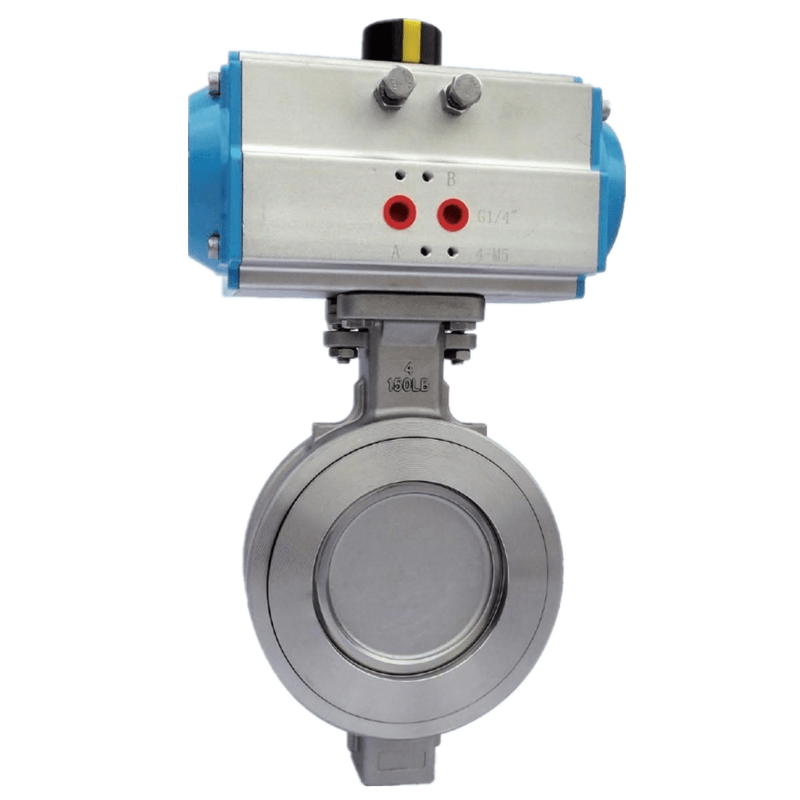
No. Check the intended throttling duty, installed flow behaviour, useful travel range, pressure-drop limits and actuator capability. Adding a modulating actuator does not by itself make an ordinary switching valve a dedicated control valve.
What details are needed to choose the operator?
Provide the valve model and construction, size, medium, operating and shut-off differential pressures, frequency and required failure position. For pneumatic or electric packages, also specify energy supply, control/feedback interfaces and environmental requirements.



 简体中文
 Japanese
 Korean
 Russian
 繁体中文
 Español
 Home
 Valve selection
 news information
 Contact us