


 简体中文
 Japanese
 Korean
 Russian
 繁体中文
 Español
Valve selection
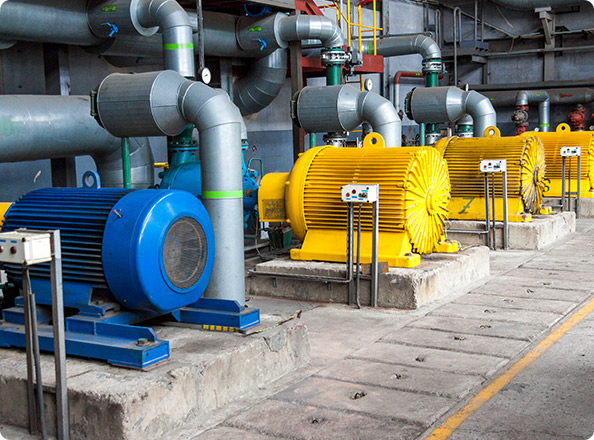
WC6 chromium molybdenum steel Class600 flange gate valve
WC6 chromium molybdenum steel Class600 gate valve
This model is designed for pipeline isolation conditions that require evaluation of chromium molybdenum steel materials, such as steam and hot oil. The gate plate rises and falls along the direction of the valve stem, crossing the direction of movement with the main medium flow direction. It is usually used for full opening or full closing, and is not a ball valve that relies on rotating the valve disc to complete quarter turn opening and closing. It is also not suitable for use as a long-term throttling regulating valve.
Series parameters and manufacturing configuration
The following parameters are series selection references supported by publicly available information on similar products, used to propose customized solutions, and do not represent that all dimensions, pressures, and material combinations are in stock or have been validated for this project; Actual supply shall be calculated based on working conditions, and the drawings and technical documents of the order shall be confirmed and implemented.
| Model selection | Z41Y-600LB (WC6 configuration, complete suffix according to order) |
|---|---|
| Caliber reference | DN50-DN400 |
| pressure rating | ASME Class600 |
| Valve body material | ASTM A217 WC6 Chromium Molybdenum Cast Steel |
| Connection and driver | Flange connection, handwheel or gear drive confirmed by torque |
High temperature materials and sealing pairs
WC6 is a chromium molybdenum alloy cast steel, which is not equivalent to WCB ordinary carbon steel or A105 forged steel. The valve cover, gate plate, valve stem, welding sealing surface, bolts, gaskets, and packing should be configured separately according to the actual temperature and medium. Cannot directly copy the highest temperature, lifespan, or testing conclusions of other manufacturers; Class600 is also not 600psi, and the allowable pressure needs to be checked in conjunction with the material and temperature.
Size standards and procurement documents
Specify the applicable design, flange, face-to-face and test standards with their editions. RF and RTJ connections require matching faces, dimensions and gaskets. For a quotation, provide the medium, design and operating conditions, nominal size, installation length, actuator clearance, leakage requirements and inspection documents. Required conformity documents should be listed separately from the design standards.
Installation and maintenance
Adequate space for opening and maintenance should be left above the rising stem, and support should be provided for the pipeline. The operation should be carried out according to the confirmed temperature and pressure rise procedures. Do not use the handwheel as an additional force tool after the valve is fully opened. Inspect and repair the erosion of the gate valve seat, valve stem threads, packing, and valve cover sealing. First, isolate, cool down, release pressure, and confirm the safety of the valve chamber.
Common problems in selection and procurement
Can changing from WCB to WC6 directly increase the working temperature for high-temperature steam?
You can't just change the material name. It is necessary to simultaneously verify the valve body rating, valve internals, fasteners, packing gaskets, and pipeline design conditions before determining the WC6 scheme and allowable operating conditions.
Can Class600 gate valve be half opened to reduce steam flow?
It is not recommended to use ordinary wedge gate valves for long-term throttling, as local high-speed flow may erode the sealing surface and cause vibration. For continuous flow regulation, a calculated regulating valve should be selected.
What drawings should be included in the quotation to connect with the original Class600 flange?
Provide caliber, flange standard, RF or RTJ sealing surface, face distance, pipeline grade, and on-site operation space diagram. The same level does not replace checking the connection size and sealing components.
 Home
 Valve selection
 news information
 Contact us