


 简体中文
 Japanese
 Korean
 Russian
 繁体中文
 Español
Valve selection
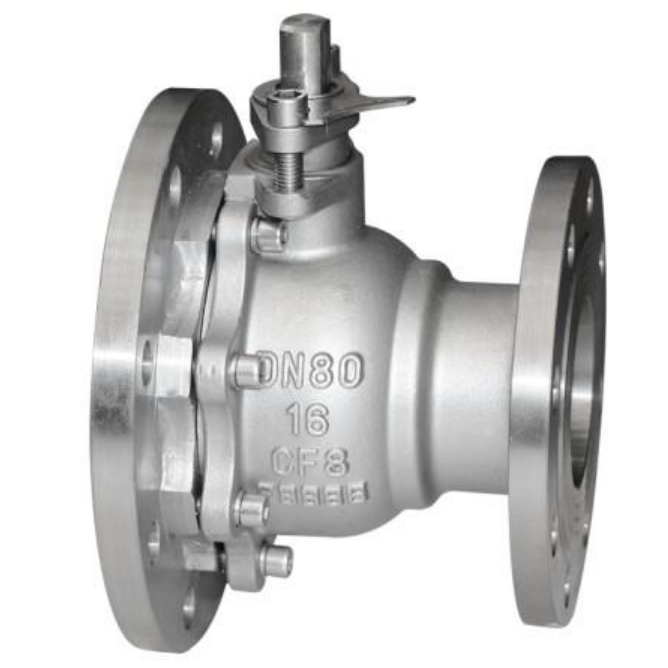
Stainless steel 304 variable diameter discharge flange ball valve
This 304 stainless steel discharge ball valve connects a vessel outlet to a differently sized discharge pipe. The minimum internal passage, material properties and downstream layout determine whether material can pass freely. Manual, electric or pneumatic operation can be selected to suit the discharge task.
Material: Stainless steel 304 is a corrosion-resistant stainless steel material suitable for use in corrosive environments. This material is commonly used to manufacture valve bodies and valve covers.
Variable diameter: Here, reducing-end construction means that the equipment connection and discharge-pipe connection have different sizes. These fixed end sizes are separate from the opening produced by rotating the ball. The smallest internal passage, material properties and downstream resistance affect discharge.
Discharge flange: The discharge flange is part of a ball valve and is usually used to connect with pipelines. These flanges allow ball valves to be installed in piping systems and ensure sealing performance. Stainless steel 304 is also commonly used to manufacture flange parts to ensure their corrosion resistance.
Working principle: Ball valves control fluid flow by rotating the ball. The valve is open when the ball’s bore aligns with the pipeline. Rotating the bore perpendicular to the line closes the passage. Ball valves usually have the characteristic of quick opening and closing, which can quickly control the flow of fluids.
Application: Stainless steel 304 variable diameter discharge flange ball valve is suitable for many industrial applications, especially in situations where corrosion resistance is required. They are commonly found in industries such as chemical, petroleum, natural gas, food processing, and pharmaceuticals.
Please note that the specifications and design of ball valves may vary depending on the manufacturer and specific application. When selecting and using ball valves, it is important to understand the specifications, working principles, and applicable environmental conditions of the valve to ensure safe and reliable operation.
Frequently asked questions
Can I order it using only the outlet size?
No. The vessel-side and discharge-pipe connections both need to match, including the flange dimensions and sealing faces. A matching outlet alone does not establish that the valve fits the vessel.
Will a smaller outlet prevent material bridging?
Not by itself. Cohesive material, particles and the smallest internal passage can still restrict discharge. Compare the complete path from the vessel outlet through the downstream pipe rather than relying on the two flange sizes.
When should I choose powered operation?
Local manual operation can suit accessible, occasional batch discharge. Remote sequencing or equipment interlocks are reasons to select an electric or pneumatic assembly, with output and feedback matched to the valve load.
 Home
 Valve selection
 news information
 Contact us