


 简体中文
 Japanese
 Korean
 Russian
 繁体中文
 Español
Valve selection
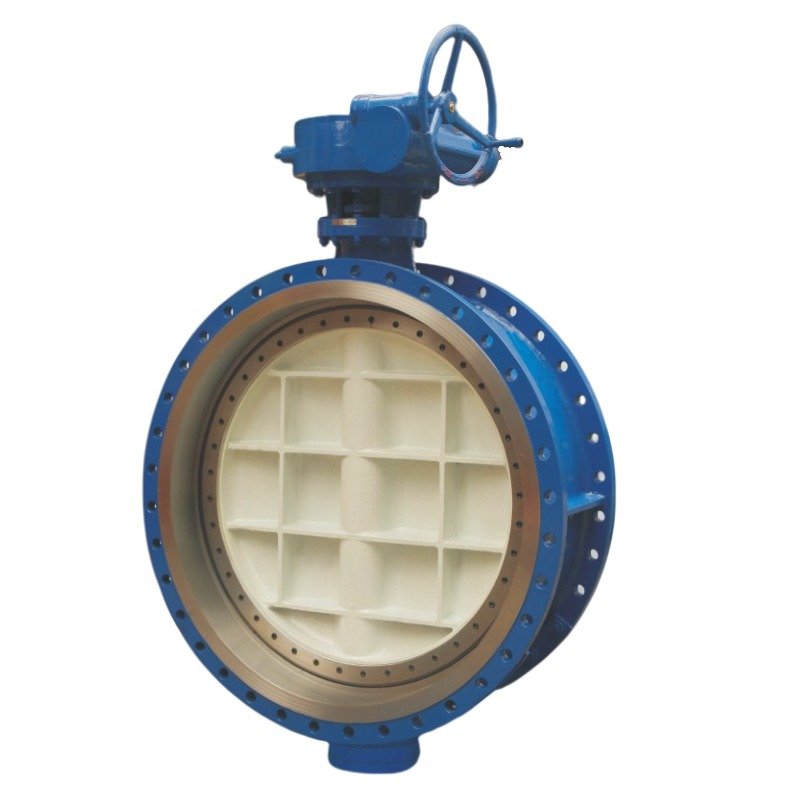
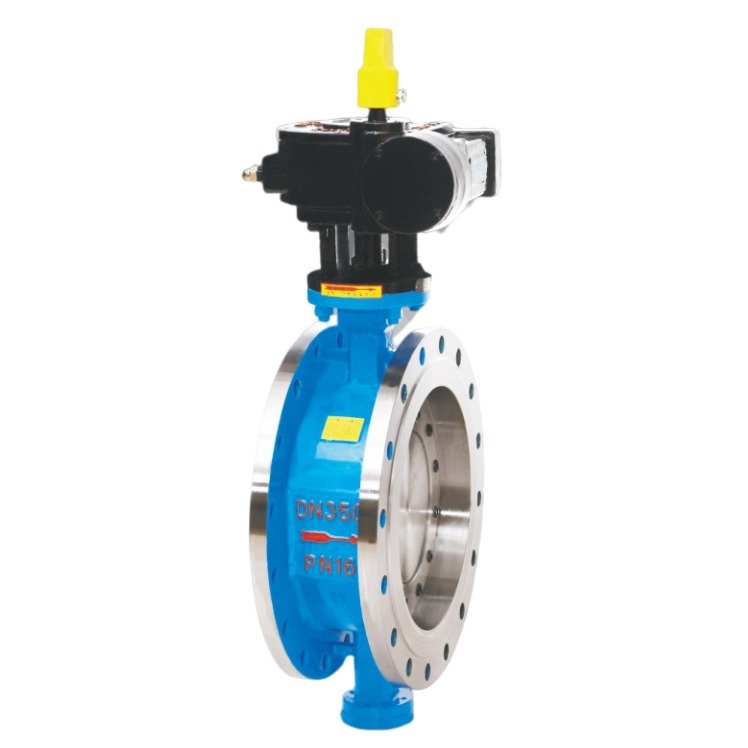
Low-temperature flanged butterfly valve with metal seat
Low-temperature flanged butterfly valves use materials and seals selected for the required minimum design temperature. LCB is a cast low-temperature carbon-steel grade, while LF2 is a forged carbon-steel grade; neither is a stainless-steel designation. Their material names alone do not establish a complete valve rating of −196°C. Body grade, impact-test requirements, seals, packing and the adopted low-temperature specification determine the permissible configuration.
Liquid oxygen is not flammable, but strongly supports combustion. Hydrogen and ethylene are flammable substances. Cryogenic evaporation can also cause pressure buildup, while oxygen service requires appropriate materials and cleanliness. These different hazards must be assessed for the actual process rather than treating all cryogenic liquids as having the same flammability.
Does cryogenic treatment establish the operating temperature?
No. Treatment of parts is only one manufacturing step. The body material, seat, packing, clearances and qualification of the assembled valve determine whether it suits the required low temperature.
Can a cryogenic valve be used for oxygen?
Only with materials and cleanliness suitable for oxygen service. Oxygen supports combustion, so oils and other contaminants require special control; low-temperature capability alone does not establish oxygen compatibility.
Can liquid be trapped between closed valves?
A trapped cryogenic liquid can expand as it warms and create excessive pressure. The piping arrangement needs an appropriate means of managing thermal expansion; a closed butterfly valve is not itself a pressure-relief device.
 Home
 Valve selection
 news information
 Contact us