


 简体中文
 Japanese
 Korean
 Russian
 繁体中文
 Español
Valve selection
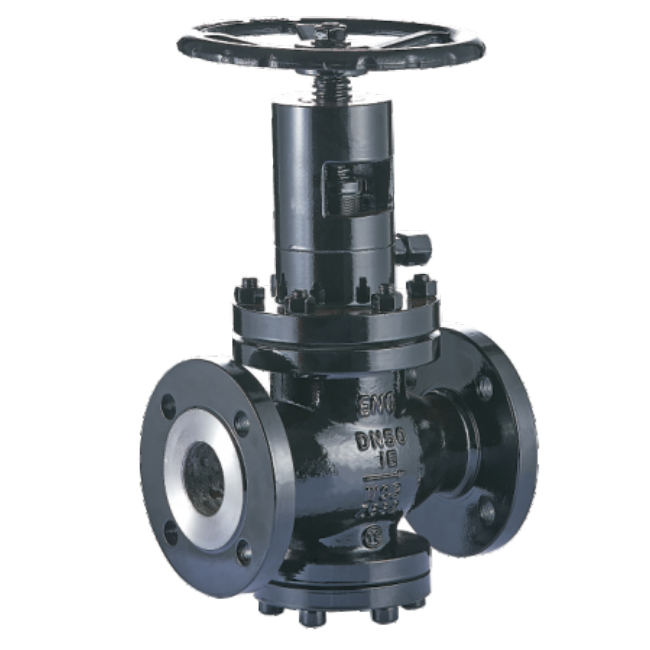
Valve sleeve type throttling shut-off vent and discharge valve
What is a valve sleeve type throttling shut-off vent drain valve?
TP41Y/TP41F sleeve-type throttling and shut-off valves combine a closure element, seat and sleeve arrangement for controlled opening, shutoff and the specified vent or drain service. Movement of the internal closure changes the available passage area. The pressure drop is concentrated around the restricted passage during throttling, so differential pressure and fluid condition affect both operating load and erosion.
What is the difference between throttling function and regulating valve?
For occasional throttling, the valve opening provides a way to reduce flow during a process operation. Continuous control also needs a suitable flow characteristic, usable capacity and a drive able to follow the control signal at the required duty. Comparing minimum, normal and maximum flow with the pressure at each point shows whether normal operation will lie in a useful part of the travel.
How to understand the functions of cut-off, venting, and discharge?
Shutoff closes the process passage. Venting releases gas or pressure to a designated receiving system; draining removes liquid and residues through the assigned route. The operating sequence follows the actual port arrangement and receiving-system capacity. Before opening a vent or drain, establish where the discharge will go and control exposure to hot, pressurized or hazardous material.
Why do pressure levels need to be confirmed based on specific versions?
PN and Class identify different rating systems. Body material, temperature and connection standard determine the applicable pressure rating and flange dimensions for each configuration. A replacement is selected by checking these conditions together with face-to-face length, rather than matching the size designation alone.
What parameters are required for TP41Y/TP41F selection?
For a TP41Y/TP41F enquiry, identify the fluid, solids, temperature, upstream and downstream pressures, required flow and whether the task is throttling, isolation, venting or draining. These conditions guide trim, seal and drive selection. Connection standard, installation length and discharge routing then define how the selected valve fits the system.
Common problems with valve sleeve type throttling, shut-off, venting and sewage valves
The valve throttles flow; can it maintain a constant outlet pressure by itself?
Opening changes resistance, while outlet pressure also responds to inlet pressure and demand. Automatic pressure control needs the appropriate sensing and control arrangement as well as suitable valve capacity and travel.
Where should the vent or drain discharge be connected?
Use the receiving route designed for the fluid, pressure, temperature and discharge rate. Establish isolation and safe discharge handling before operation, particularly for hot or hazardous media.
Why is DN alone insufficient for selecting throttling trim?
At the same DN, differential pressure and fluid condition can produce different velocity, load and erosion at the restriction. Flow and both pressure conditions are needed to compare trim capacity and service severity.
 Home
 Valve selection
 news information
 Contact us