


 简体中文
 Japanese
 Korean
 Russian
 繁体中文
 Español
Valve selection
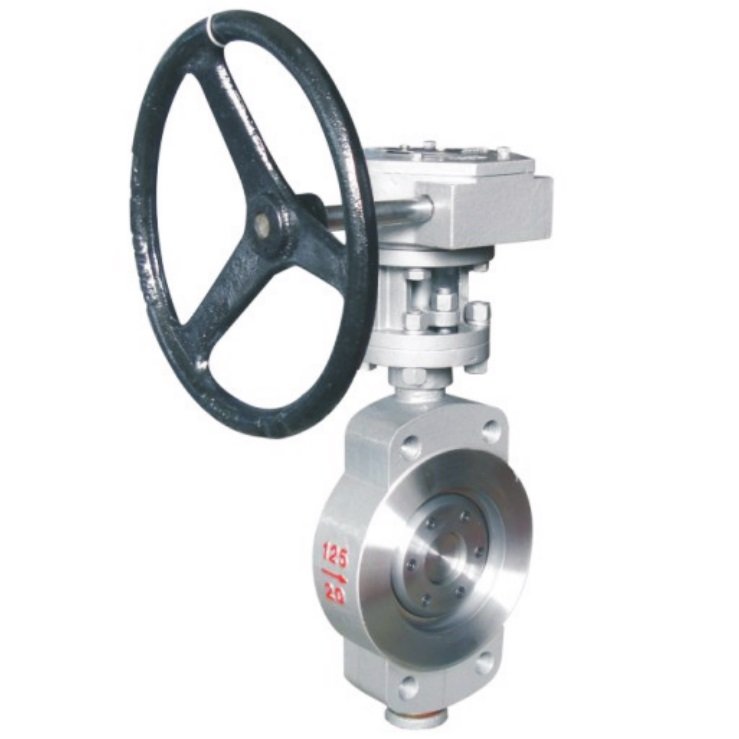
JIS 10K metal-seated wafer butterfly valve
JIS 10K is a pressure-class designation. Check the corresponding flange dimensions and the pressure-temperature rating for the selected material and seat. In a triple-offset arrangement, the disc and seat geometry determine how the sealing surfaces separate and contact during the stroke. The actual contact, operating torque and closing performance also depend on the seat structure, material pair and service differential pressure. For a resilient or laminated sealing assembly, consider the temperature and fluid compatibility of each sealing layer as part of the complete seat. Select the required closing and leakage performance for the service conditions.
Can a wafer valve replace a longer flanged valve?
Only with a suitable piping arrangement. The face-to-face length, flange compatibility and support must fit the replacement; pulling pipe flanges together to close a large gap can load or distort the valve.
Why must the disc clearance be checked?
The disc projects beyond the short body during opening. A gasket, pipe bore or nearby component can obstruct it, so the full disc sweep must be clear before the valve is operated under pressure.
Should a stiff valve be closed with more force?
First distinguish seat load from obstruction or installation distortion. Exceeding the valve or gearbox torque limit can damage the shaft and seat; the closing setting must suit the actual valve and pressure difference.
 Home
 Valve selection
 news information
 Contact us