


 简体中文
 Japanese
 Korean
 Russian
 繁体中文
 Español
Valve selection

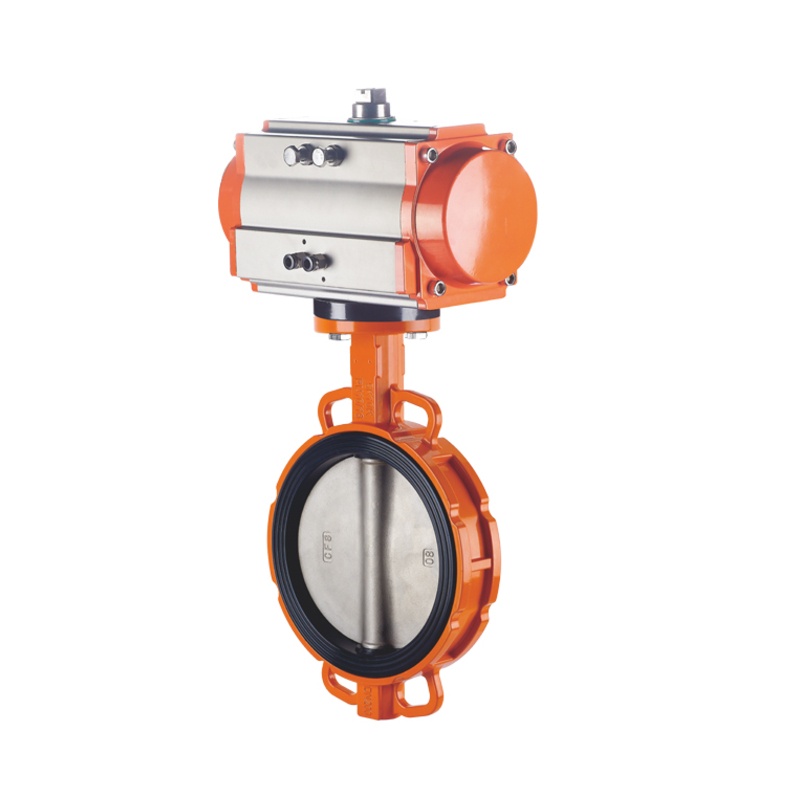
Pneumatic hard seal ball valve Q641Y-16C
Q641Y-16C Pneumatic Hard Seal Ball Valve
Pneumatic hard seal ball valve Q641Y-16C is used for automatic switching or process control in thermal systems, energy devices, chemical utilities, and industrial pipelines. The selection should check the medium, temperature, maximum and normal flow rates, pressure difference before and after the valve, pipeline standards and control requirements, and should not be based solely on the existing pipe diameter. This article lists the commonly used configuration range, and the final data should be based on project conditions, order confirmation forms, and manufacturing drawings.
Structure and Drive
Q641Y-16C adopts flange connection, floating ball structure, and metal valve seat. When the fluid passes through the valve body flow channel, the position of the opening and closing parts is changed by a double acting or single acting pneumatic actuator to complete the opening and closing and cutting; If the project requires continuous adjustment, it should be confirmed separately whether the ball core flow channel, valve seat structure, and actuator are suitable for throttling conditions. It cannot be recognized as a regulating valve just because the actuator can stay in the middle position. The actuator should match the torque or thrust of the valve and reserve a reasonable safety factor. When feedback, positioning, or interlocking is required, the power supply requirements (such as configuration), protection level, and fault safety position of accessories such as gas source pressure, control signals, and solenoid valves or locators should be clearly defined during the ordering stage to avoid interface mismatch on site.
Material and sealing
The commonly used caliber is DN15-DN200, the pressure rating is PN16/PN25, and the valve body material can be selected as WCB/CF8/CF8M. The selection of materials should take into account the corrosiveness of the medium, chloride ions, temperature fluctuations, and cleaning conditions. The allowable temperature, pressure difference, and leakage level of metal hard seals should be checked simultaneously. For steam, particle containing, easily crystallized or frequently operated conditions, the hardness of valve internals, packing form and erosion prevention measures should also be confirmed.
Product Specifications
| Product Model | Q641Y-16C |
| Structural form | Flange connection, floating ball structure, metal valve seat |
| Nominal Diameter | DN15-DN200 |
| pressure rating | PN16/PN25 |
| Valve body material | WCB/CF8/CF8M |
| sealing form | Metal hard seal |
| Drive Type | Double acting or single acting pneumatic actuator |
| Applicable temperature | -20℃ to 425℃, confirm according to the valve seat material |
| Applicable Medium | Steam, thermal oil, high-temperature gases, and general industrial media |
Applicable working conditions
The product features include metal valve seats, quick shut-off, remote interlocking, and can be used in thermal systems, energy devices, chemical utilities, and industrial pipelines after reasonable configuration. Dangerous areas should select corresponding actuators, accessories, and wiring methods according to explosion-proof zones; Food, pharmaceutical and other systems also need to confirm the requirements for liquid receiving materials, surface treatment and cleaning. Projects involving oxygen, highly corrosive or toxic media should undergo specialized material and safety reviews.
Installation and Debugging
Before installation, the nameplate, flow direction, and connection standards should be checked, and welding slag and hard debris should be removed to ensure the concentricity of the front and rear pipe sections and avoid the transmission of pipeline stress to the valve body. Reserve maintenance space around the actuator, and protect the cable entrances of electrical accessories such as solenoid valves and limit switches according to the on-site environment; Pneumatic accessories should use a clean and dry air source that meets the requirements of the actuator. The first debugging should check the switch position, stroke feedback, interlocking logic, and sealing condition under low-risk conditions, and then gradually enter the working pressure.
Operation and maintenance
Observe action time, abnormal noise, leakage, valve position feedback, and control signals during operation. When the action is slow, first check the air source, filter pressure reducing valve, solenoid valve or positioner (if configured), limit feedback and pneumatic actuator, and then check the valve stem, valve seat and seals. It is not advisable to blindly increase the driving force. Before maintenance, it is necessary to isolate the medium, relieve pressure, and confirm that there is no residual energy. After replacing the seal, conduct strength, sealing, and action tests according to regulations, and record the material of the spare parts and the date of maintenance.
Q&A on Selection of Pneumatic Hard Seal Ball Valve
Does the Q641Y-16C pipeline contain a small amount of particles, and a hard seal necessarily apply?
It cannot be judged solely based on the name of the hard seal. Please provide particle size, hardness, content, flow rate, temperature, and pressure difference to confirm the material of the ball and valve seat, sealing pair, and driving force; It is also necessary to clarify the requirements for closing leaks and flushing conditions.
When replacing the old flange ball valve with Q641Y-16C, is it enough to only check DN and PN?
It is also necessary to verify the flange standard, sealing surface, structural length, valve body and seat materials, as well as the allowable pressure at operating temperature. The installation space and connection bracket of the actuator should also be confirmed together with the site.
Q641Y-16C needs to be turned off after gas interruption. How should the actuator be configured?
The safety position required for the process in case of gas loss should be clarified first, and then the single or double acting scheme, output force or torque, and accessory circuit should be checked. You cannot select cylinders based solely on valve diameter, nor can you assume that all pneumatic configurations will close when there is a loss of air.
Selection and ordering information
Suggest providing requirements for medium composition, design and operating temperature, maximum and normal pressure, flow range, pipeline standards, operating frequency, gas source pressure, control signals, and accessories such as solenoid valves or positioners, as well as requirements for fault safety location and environmental protection. Fouten Flow Control (Jiangsu) Co., Ltd. will verify the caliber, material, seal, actuator, and accessory combination based on this, providing traceable basis for installation and maintenance.
More pneumatic ball valves can be viewedSelection of Pneumatic Ball ValveThe electric hard seal structure can be referred toQ941Y-16C electric hard seal ball valveThe overall selection of ball valves can be found inBall valve manufacturer column。

 Home
 Valve selection
 news information
 Contact us