


 简体中文
 Japanese
 Korean
 Russian
 繁体中文
 Español
Valve selection
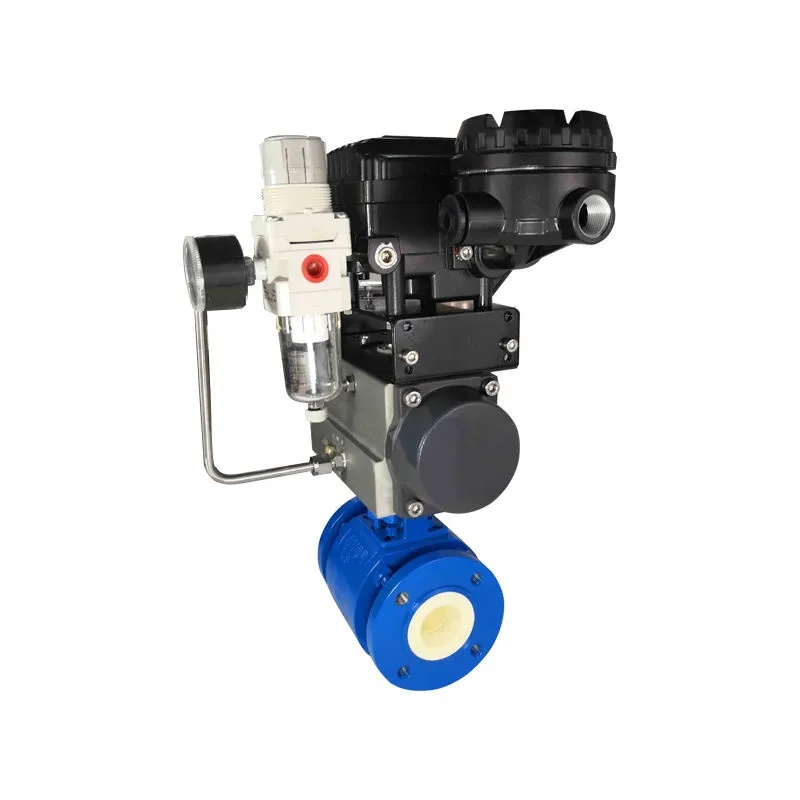
Pneumatic Ceramic Ball Valve Q641TC-16C
| Specification | Value |
|---|---|
| Model number | Q641TC-16C |
| Specification and caliber | DN25-DN100 |
| Pressure level | PN16 |
| Material | WCB |
| Product Features | Abrasive boundary of ceramic sealing, cylinder torque and particle jamming, thermal shock and debugging methods |
The Q641TC-16C pneumatic ceramic ball valve uses a ceramic ball and seat to form the liquid contact and sealing area, suitable for automatic opening and closing of compatible abrasive slurries. The ball core rotates to change the flow path connection state, and the pneumatic actuator provides the opening and closing torque; particle scouring, shutdown sedimentation, and restarting loads are the main working conditions for selecting internal components and drives.
Product Parameters
| Product Model | Q641TC-16C |
|---|---|
| Structure Type | Flange connection, ball and seat made of engineering ceramic |
| Nominal Diameter | DN25-DN100 |
| Pressure Rating | PN16 |
| Body Material | WCB |
| Sealing Type | Ceramic sealing pair |
| Actuation Method | Pneumatic actuator, action type determined by safety position |
| Applicable Temperature | Specific temperature and temperature rise/fall rate confirmed by ceramic and auxiliary sealing |
| Applicable Medium | Abrasive slurries and particle media confirmed for compatibility |
How Ceramic Components Handle Particle Abrasion
As the fluid passes through the ball port and the edge of the seat, particles repeatedly collide and slide over the surface, potentially causing localized abrasion. The ceramic ball, seat, and corresponding liquid contact liners protect different areas, and selection should consider particle hardness, size, solid content, and flow rate. Fine particles mainly cause continuous scouring, while coarse hard particles may also get trapped at the sealing edge; pre-cleaning and shutdown flushing should be arranged along with the valve's internal passage.
Cylinder Torque and Particle Jamming
After the slurry stops flowing, solids may settle in the valve cavity or nearby low points, requiring more force to restart than to maintain continuous flow. Cylinder output is calculated based on the minimum site supply pressure and the most unfavorable pressure differential; spring return configuration must also compare the effective output at the return end. If jamming occurs only after prolonged stops, improve flushing and sedimentation paths; if jamming occurs at fixed angles, focus on checking for material trapped in the seat, ball core edges, and drive alignment.
Thermal Shock and Debugging Methods
Sudden temperature increases or decreases in the medium can cause different temperature and dimensional changes in the ceramic, metal housing, and auxiliary sealing. During commissioning, gradually introduce the medium according to the allowable temperature difference of the selected materials and structure, and clear welding slag, metal shavings, and coarse hard foreign objects before cleaning. Mechanical stroke, cylinder direction, and position feedback should be verified item by item under controlled conditions, followed by corresponding shutdown and working condition tests to facilitate the distinction between assembly issues and operational loads.
Installation and Commissioning
Flanges should be naturally aligned, with pipe sections and drives supported; after cleaning, verify direction, actual stroke, and feedback under controlled conditions, then gradually establish working conditions. Hot media should be introduced according to the allowable temperature difference.
Maintenance and Reassembly
Before internal inspection, isolate the medium, relieve pressure, and control the driving energy. Replace damaged internal components, and after reassembly, verify actual end positions, feedback, and sealing; simultaneously address material trapping, uneven loading, or sources of thermal shock.
Frequently Asked Questions
Why does the valve jam after the slurry stops overnight, where should I check first?
First, check the sedimentation and flushing routes, then after isolation and pressure relief, inspect whether there is material trapped in the ball port and seat. If it only becomes heavy after prolonged stops, improve drainage and flushing; if it jams at a fixed angle, check for local damage and drive issues. Cylinder selection should cover minimum air pressure and sedimentation starting loads.
What additional particle information is needed when selecting a ceramic ball valve for sand-containing slurry?
Provide particle size distribution, maximum particle size, hardness, shape, and solid content. The handling of fine particle scouring and large foreign object trapping is different, and this information helps select the ceramic coverage range and cleaning measures.
How can I reduce ceramic damage when alternating hot and cold slurries?
Incorporate the two temperature segments, switching speeds, and cleaning processes into the selection; during operation, switch according to the allowable temperature difference and heating/cooling procedures of the entire valve. Evaluate wear resistance and thermal shock resistance separately.
What information is needed when placing an order?
Inquiry should include particle size distribution, hardness, solid content, acidity and alkalinity concentration, design temperature and pressure, and sedimentation information. Confirm the ceramic grade and actual liquid contact coverage, auxiliary sealing, metal body, and cylinder configuration, requiring calculations for maximum pressure differential and torque under sedimentation starting conditions.
Action counts, minimum air pressure, and thermal cycling requirements should be included in the agreement; do not simply use "wear-resistant ceramic" as a substitute for a comparable complete solution.
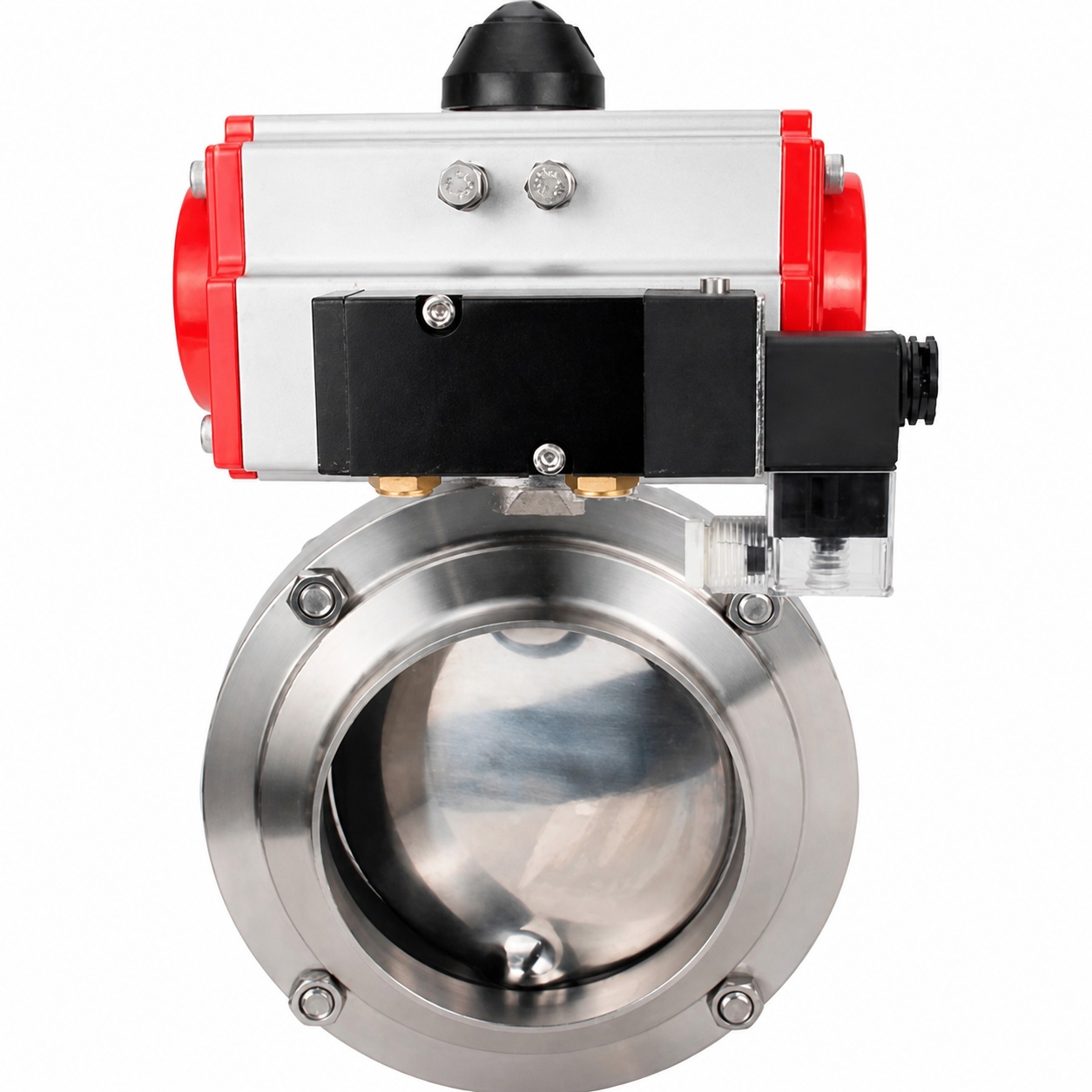
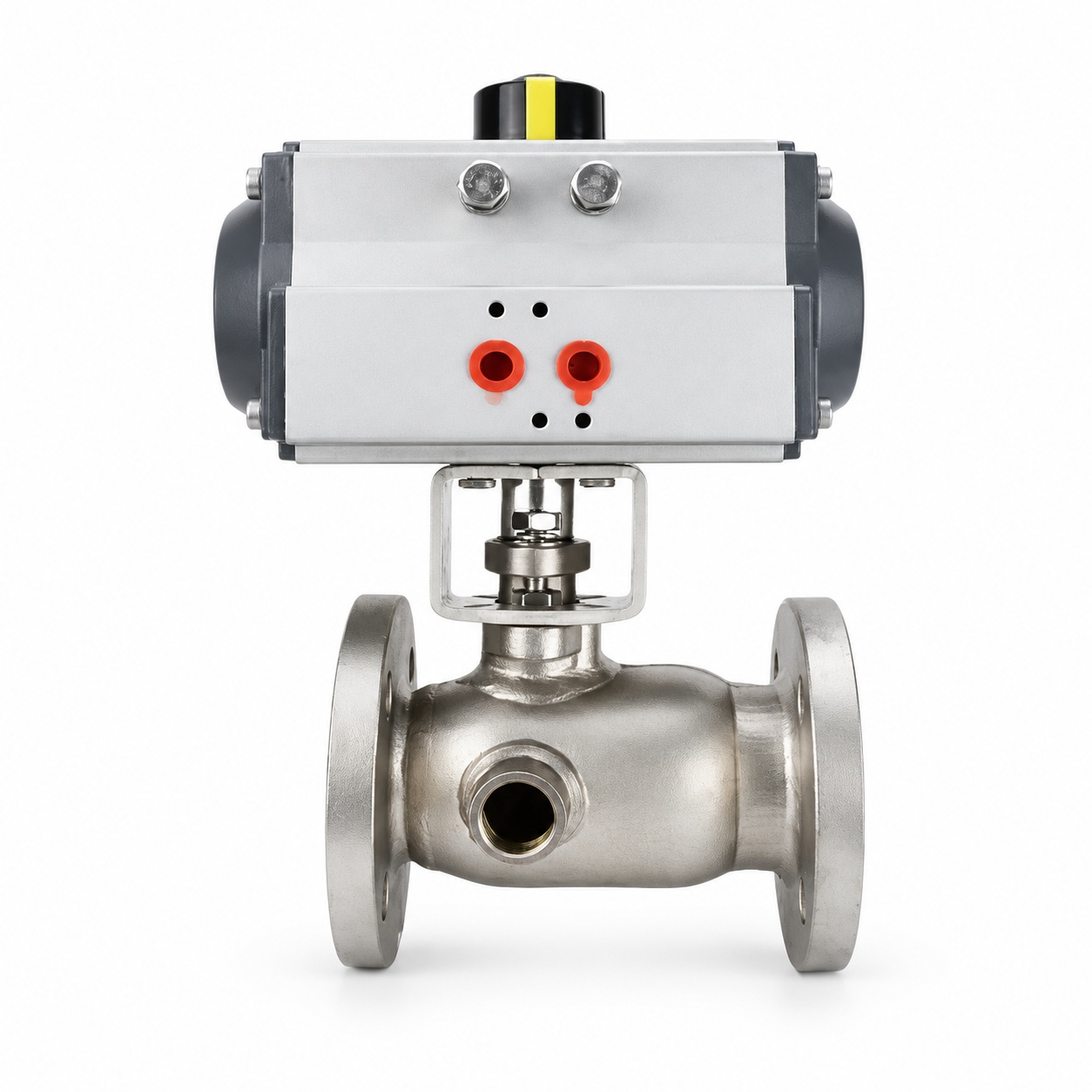
Similar products can be browsed in the pneumatic valve section, and comparisons must use the same media and control conditions.
 Home
 Valve selection
 news information
 Contact us