


 简体中文
 Japanese
 Korean
 Russian
 繁体中文
 Español
Valve selection
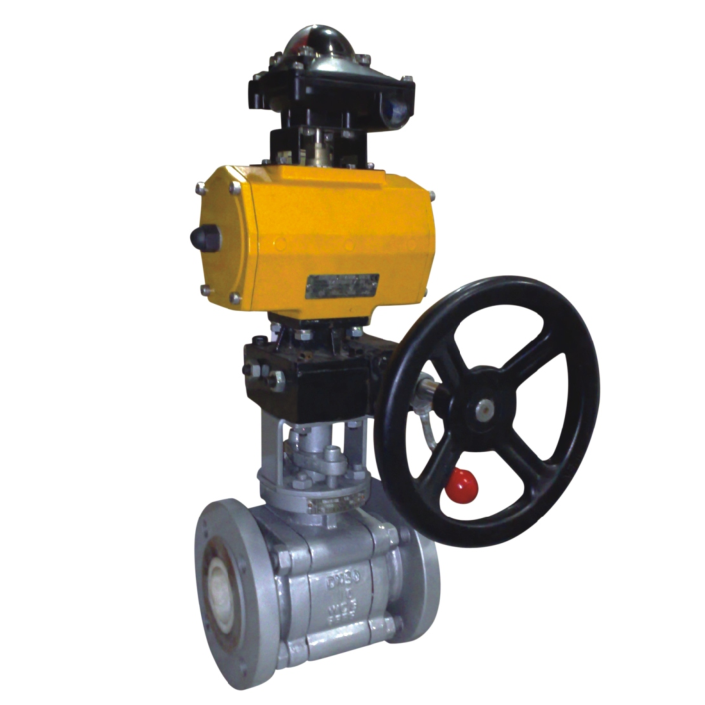
Pneumatic and manual dual-purpose ceramic lined ball valve
Q3941TC Pneumatic and Manual Dual purpose Ceramic lined Ball Valve
The current product identity of Q3941TC is a ceramic lined flange ball valve that can be used for both pneumatic and manual purposes. The diameter is DN40-DN500, and the pressure configuration includes PN16, Class150, and 10K. The valve body material field includes WCB and 304, and is labeled with ceramic TC.
Ceramic materials must be confirmed according to actual products
Ceramic grades differ in hardness, toughness, chemical resistance and temperature capability. TC alone does not identify a specific ceramic grade or hardness; the selected material should match particle abrasion, impact and chemical exposure.
What working conditions need to consider ceramic structure?
Materials containing abrasive particles, slurries, or media with special corrosiveness may require wear-resistant material solutions, but specific ceramic and sealing structures still need to be determined based on particle properties, chemical composition of the medium, temperature, pressure, and erosion rate.
How to understand manual and pneumatic dual-use?
Pneumatic actuators are used for normal automatic opening and closing, while manual actuators are used for on-site operation or maintenance under actual product allowable conditions. The specific switching method and safety requirements should be based on the instructions provided by the executing agency.
More pneumatic ball valves are availableSelection of Pneumatic Ball Valve。
Frequently Asked Questions
Does Q3941TC necessarily use zirconia ceramics?
No. TC alone does not identify the ceramic composition or hardness. Use the specified ceramic grade and its material data.
Can ceramic ball valves achieve absolute zero leakage?
Absolute conclusions cannot be used, as the leakage level depends on the actual sealing structure and testing requirements.
Can all ceramic ball valves be used on 550℃?
No, the allowable temperatures for different ceramics, valve bodies, fillers, and sealing structures are different.
 Home
 Valve selection
 news information
 Contact us