


 简体中文
 Japanese
 Korean
 Russian
 繁体中文
 Español
Valve selection
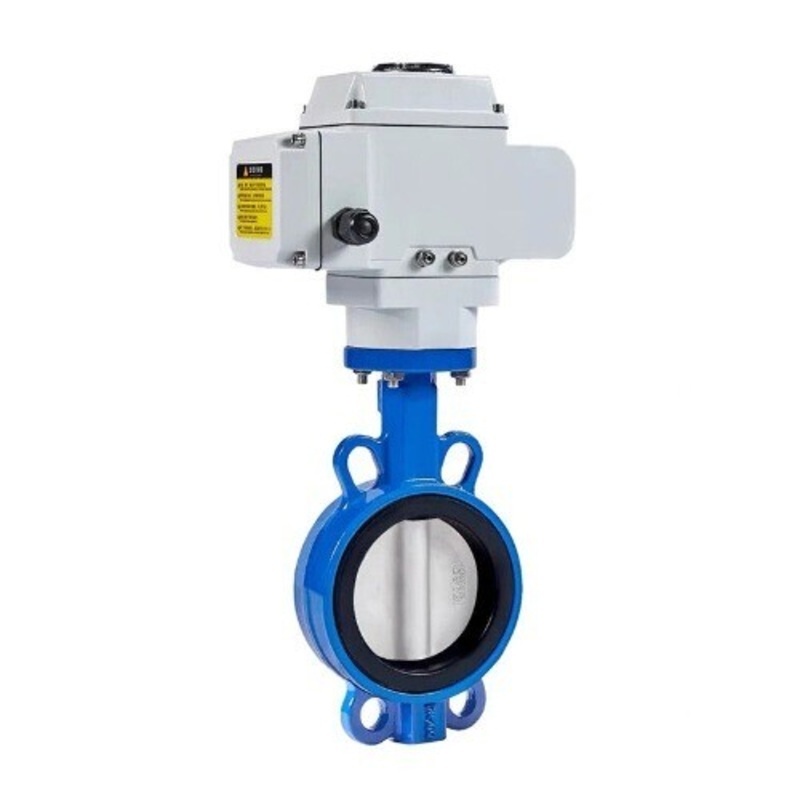
Electric Butterfly Valve D971X-16Q
Electric Butterfly Valve D971X-16Q
The D971X-16Q electric wafer butterfly valve combines a ductile-iron body, concentric disc and EPDM or NBR resilient sealing arrangement. Rubber-lined configurations protect the corresponding body surfaces while the seat seals around the disc. The actuator provides remote operation for compatible water and industrial branches.
Product Specifications
| Product Model | D971X-16Q |
| Structural form | Centerline butterfly plate, clamp connection, rubber soft seal |
| Nominal Diameter | DN50-DN600 |
| pressure rating | PN10/PN16 |
| Valve body material | ductile cast iron |
| sealing form | EPDM or NBR soft seal |
| Drive Type | Angular stroke electric actuator |
| Applicable temperature | -10℃ to 120℃, confirm according to the sealing material |
| Applicable Medium | Water, air, sewage, and general industrial media |
How the valve moves and seals
The electric actuator turns the shaft and disc, changing the flow opening until the disc edge compresses the resilient seat. Seat compression and process differential pressure contribute to torque. Switching and modulating duties use the appropriate drive duty cycle, position functions and operating range.
Body and sealing materials
The ductile-iron body carries pressure and bolting loads. Disc, rubber liner and shaft seals contact the fluid at their respective locations. Select EPDM or NBR using water quality, oil content and cleaning conditions; body material and fluid-contact rubber have separate functions.
Operating conditions
Circulating water brings continuous immersion, temperature and treatment chemicals, while an oil-containing branch adds possible rubber swelling. Select the disc and seat combination for those conditions, then compare closing differential pressure and movement frequency with the electric drive duty.
Installation and commissioning
The wafer valve fits between two pipe flanges. Leave full disc clearance from pipe bores, welds and gaskets, and tighten naturally aligned flanges evenly. With the line isolated and the drive controlled, check the full mechanical travel before setting stops and feedback.
Inspection and maintenance
Higher load near closing can result from rubber contact, trapped material or uneven installation. Resistance at a fixed point also calls for a disc-clearance check. Isolate, depressurize and secure the drive before examining impressions, tearing, shaft seals and other damaged areas.
Q&A on the selection of electric clamp butterfly valve
Does an iron-body valve with a rubber seat count as rubber-lined?
A rubber sleeve covering the corresponding wetted body surfaces provides lining protection as well as resilient seating. Disc and shaft areas are considered separately; the component arrangement defines the actual coverage.
Why does the valve fit between the flanges but jam as it opens?
A pipe bore, weld, gasket or adjacent component may enter the disc travel envelope. Check alignment and tightening loads too. Identify and correct the interference under safe isolation before operating again.
How should a valve be selected for long periods at small opening?
Compare normal and low-load flow with their pressure drops to locate the useful operating range. Select a modulating drive with suitable duty and feedback; if operation concentrates near closure, compare capacity and trim better suited to that load.
Ordering information
Provide fluid and cleaning conditions, temperature, pressure, closing differential pressure and cycle frequency. State flange and bore dimensions, power, signals, feedback and failure response. Replacements also need actuator clearance and the actual seat arrangement.
 Home
 Valve selection
 news information
 Contact us