


 简体中文
 Japanese
 Korean
 Russian
 繁体中文
 Español
Valve selection
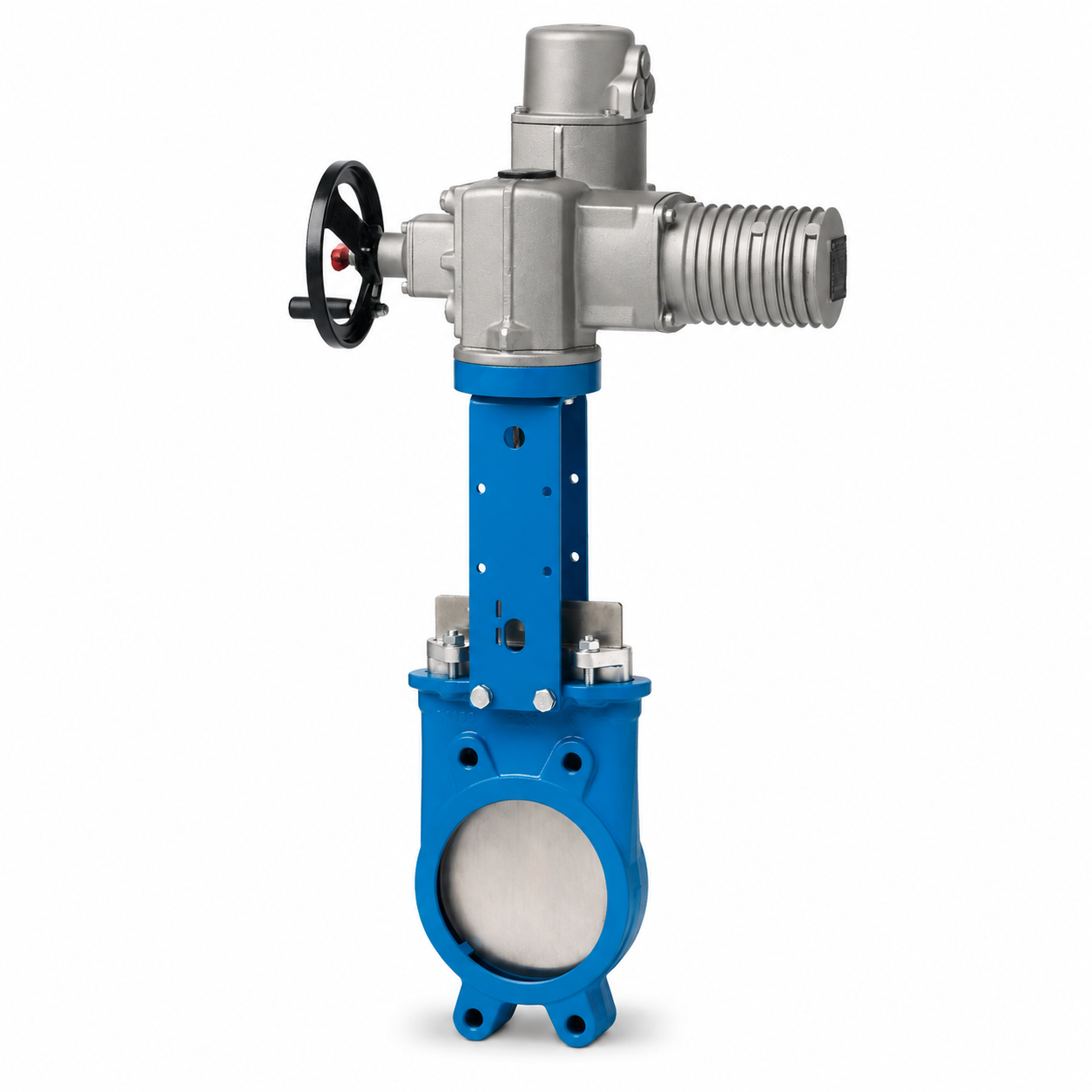
Electric Knife Gate Valve PZ973H-10C
| Specification | Value |
|---|---|
| Model number | PZ973H-10C |
| Specification and caliber | DN50-DN500 |
| Pressure level | PN10 |
| Material | WCB Carbon Steel |
| Product Features | Gate plate insertion, solid content and pressure differential verification, packing maintenance and full stroke feedback |
PZ973H-10C electric knife gate valve is designed for pipelines that require remote shutoff for slurries or fiber-containing fluids. When selecting, first specify the particle size, solid content, and sedimentation conditions, then confirm the gate plate, sealing, and actuator thrust; the short structure and knife plate shape cannot replace the calculation of wear resistance and shutoff conditions.
Product Parameters
| Product Model | PZ973H-10C |
|---|---|
| Structure Type | Short structure knife plate straight stroke shutoff type |
| Nominal Diameter | DN50-DN500 |
| Pressure Rating | PN10 |
| Body Material | WCB Carbon Steel |
| Sealing Type | Metal hard seal or elastic auxiliary seal |
| Actuation Method | Multi-turn electric actuator |
| Applicable Temperature | Determined by seat, packing, and overall valve allowable conditions |
| Applicable Medium | Wastewater, slurries, dust, and fiber-containing media |
Challenges with Fiber and Hard Particles
Pulp fibers may entangle, and hard particles in mineral slurries may scratch the gate plate and seat, while sedimentation increases resistance to restart. Include particle size, hardness, solid content, viscosity, and downtime in the inquiry conditions, and provide samples if necessary.
Knife gate valves are suitable for some of these shutoff tasks, but a configuration that works well for one medium cannot be directly used for another slurry.
Gate Plate, Seat, and Packing Must Be Confirmed Together
The WCB valve body addresses part of the structural and connection requirements, but the medium may also contact other materials. Clearly specify the gate plate, seat, packing, and end seals, and verify corrosion resistance, wear resistance, and temperature conditions.
Products with hard seals do not guarantee zero leakage in all directions and conditions; sealing tests and allowable leakage indicators should be specified in the technical agreement.
Shutoff Direction and Pressure Conditions Depend on Specific Structure
The sealing of knife gate valves may have directional requirements, and one cannot assume they can be installed in any orientation just because the flanges at both ends are the same. Verify supply markings, allowable pressure differentials, and seat structure; the installation position should also facilitate sludge discharge and maintenance.
When disassembling downstream pipes or during maintenance, independent isolation and pressure relief are required; the shutoff signal of the valve to be disassembled cannot be the only safety basis.
Actuator Thrust Cannot Be Selected Based Solely on Diameter
The straight stroke gate plate is driven by the transmission system, and pressure differentials, packing friction, and medium adhesion can change the required thrust. The calculation must cover the most unfavorable load while avoiding exceeding the allowable load on the stem and transmission.
After an alarm, first record the stroke position and medium status, check for material jamming and mechanical stress; canceling overload protection or continuous strong closure may damage the gate plate and seat.
Full Open and Half Open Operations Should Be Evaluated Separately
The main task of a standard shutoff configuration is full open and full close. Long-term half open may change flow velocity and scouring position; if adjustments are needed, the valve structure and actuator working mode should be reconfirmed.
On-site feedback should match the actual gate plate position and not rely solely on actuator indications; if the gate plate is not truly open, upstream pressure or the status of the storage bin may be misjudged as pipeline blockage.
Installation Should Reserve Space for Gate Plate and Packing Maintenance
Maintain pipeline alignment, provide reliable support, and leave maintenance space for the actuator and gland. Clean welding slag and hard objects to prevent them from entering the sealing area during the first opening and closing.
Lifting and piping should apply force at specified locations, and the stem, actuator, or accessories should not be treated as load-bearing components. The first round of actions should be controlled, followed by verifying external leakage, internal leakage, and feedback according to the approved testing process.
Leak Repair Should Consider Sealing and Actuation Resistance
Leakage at the packing and internal leakage after closure are different paths. If tightening the gland significantly increases the opening and closing resistance, isolate and check the packing assembly, gate plate scratches, and sand jamming, and do not increase actuator output as a leakage prevention method.
Replacement parts should be selected according to corresponding numbers and materials, and after reassembly, re-verify stroke, sealing, and protection. Record the gate plate status, repair reasons, and action data to help assess recurring failures.
Common Questions in Procurement and On-Site Use
Can a knife gate valve be kept half open to regulate flow?
A standard shutoff configuration cannot be directly viewed as a continuous regulating valve. It is necessary to verify flow velocity, pressure differential, particle scouring, and actuator working mode before deciding whether to adopt a dedicated regulation scheme.
What to do if packing leaks and the motor alarms after tightening?
First, stop forced operation. Excessive compression, material jamming, or gate plate scratches may increase resistance; isolate and check adjustments, and do not treat increasing actuator torque as a leakage prevention method.
Can slurry valves and pulp valves of the same diameter be interchanged?
It is also necessary to compare particle hardness, fibers, solid content, pressure differentials, and sealing materials. Different medium characteristics may require different gate plates and seats, and they cannot be interchanged solely based on diameter.
What information is needed when placing an order?
Provide the most challenging material conditions, maximum pressure differential, action frequency, and shutdown cleaning methods. Confirm gate plate material, packing maintenance space, actuator thrust and protection, as well as sealing test conditions; reference photos only illustrate structure and cannot replace the confirmed supply drawings.
For more similar structures, please refer to the Electric Valve Section, and use the same working conditions and acceptance requirements for comparison.
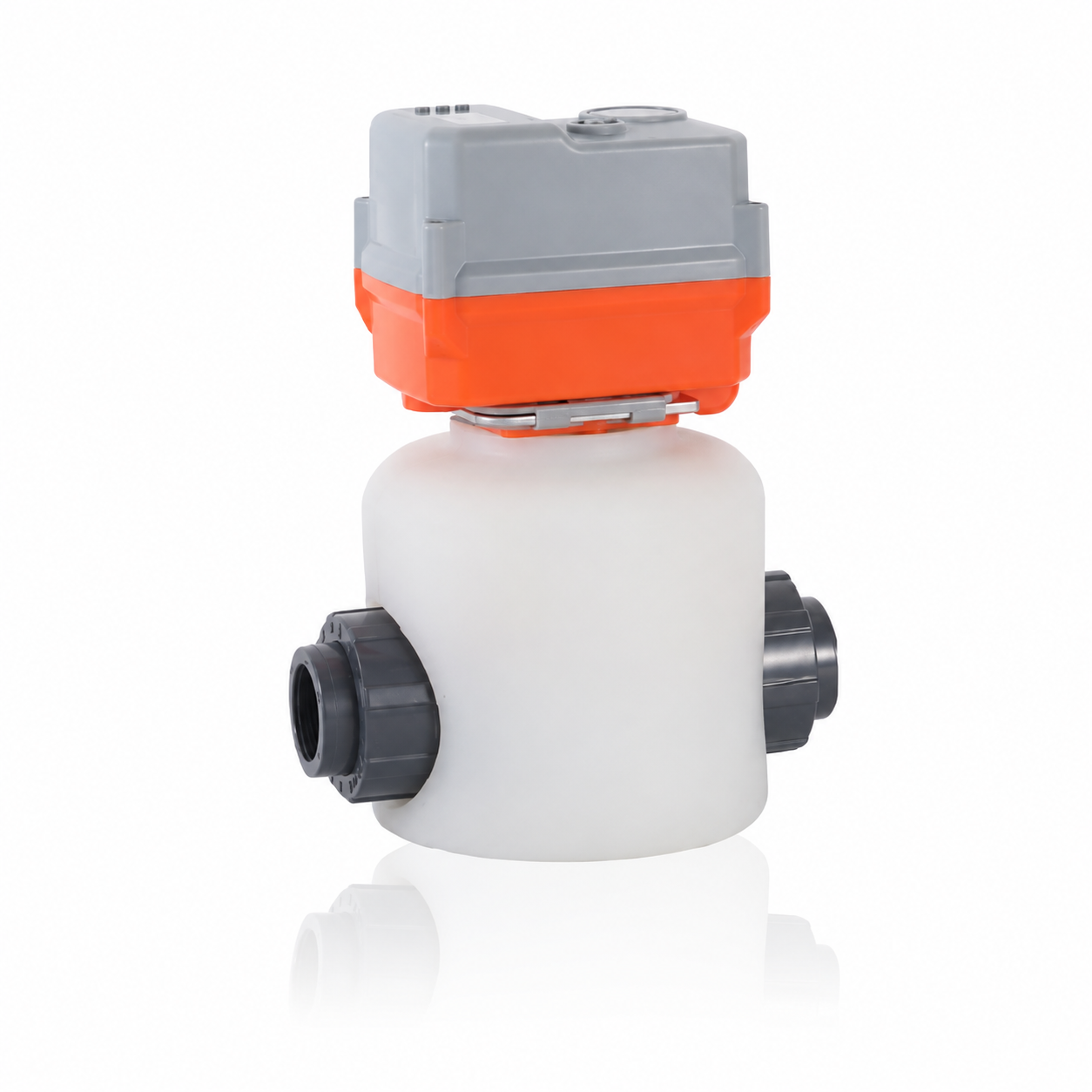
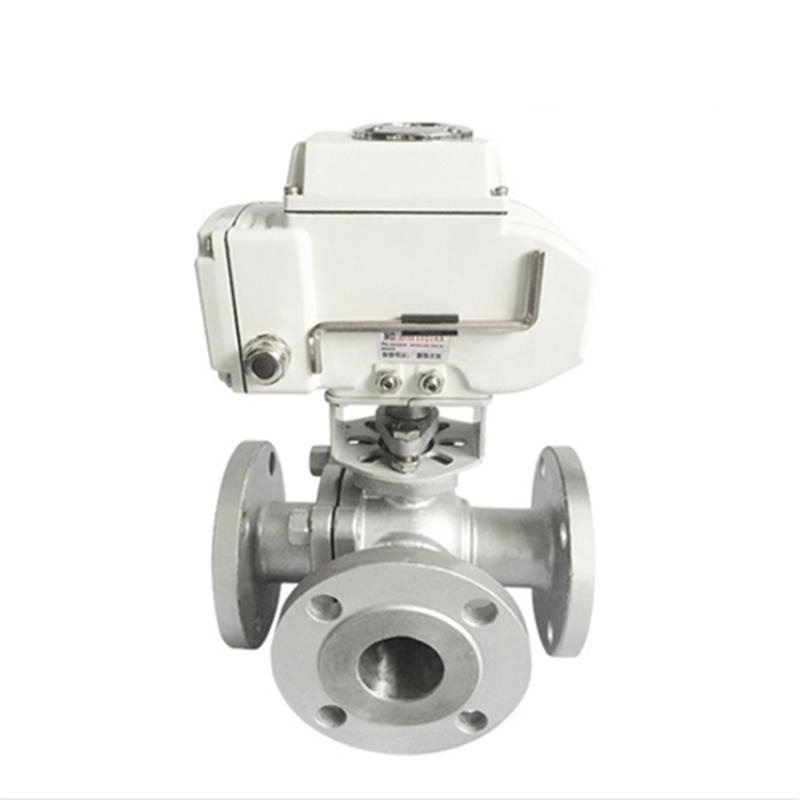
The accompanying images are for reference of shape and drive structure, not for proving specific materials, pressure ratings, or internal valve cores; actual configurations should be verified against the confirmed supply drawings.
 Home
 Valve selection
 news information
 Contact us