


 简体中文
 Japanese
 Korean
 Russian
 繁体中文
 Español
Start by checking the actual flow rate, pressure before and after the valve, and actual valve position for small opening vibration. Large capacity, mechanical friction, and cavitation may exhibit similar behavior; Separate these pieces of evidence to determine whether to modify the internal components, drivers, or system conditions.
Related product columns:Regulating valve column Electric Valve Column
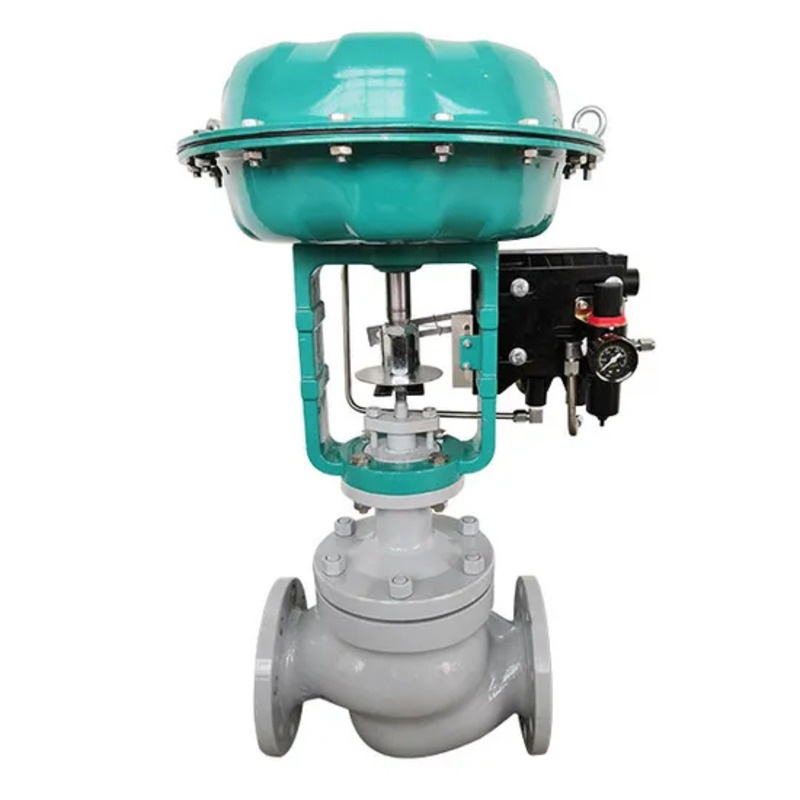
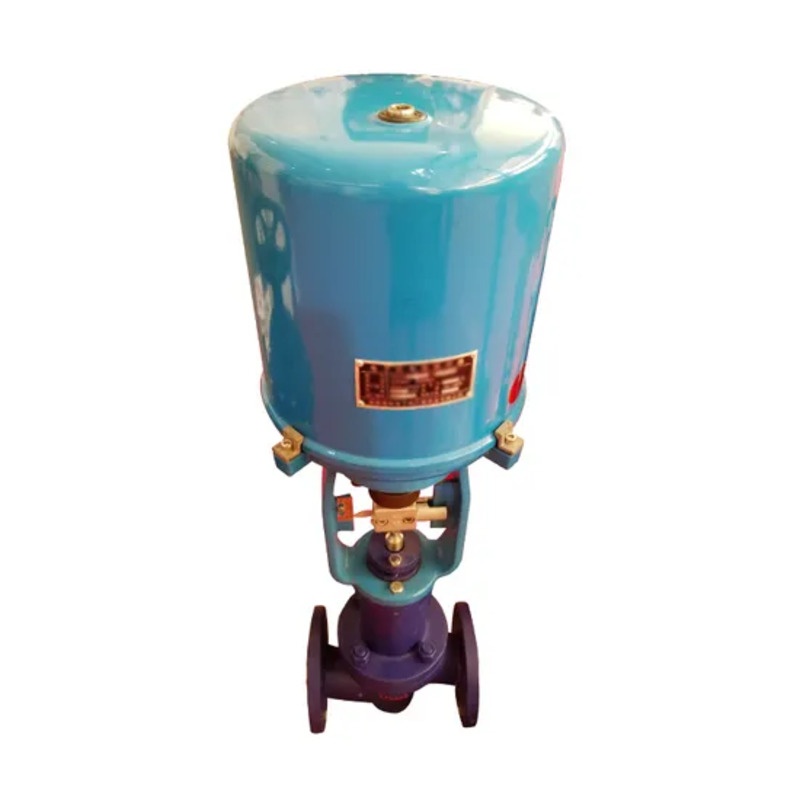
The relationship between structure and working conditions
The occurrence of small opening vibration, noise, or unstable flow in regulating valves is usually related to the actual pressure difference of the valve, the structure of the valve core and seat, the fluid state, and the control circuit. Simply increasing the valve diameter may actually result in a smaller commonly used opening and reduce controllability.
Conditions that need to be jointly confirmed when selecting
Liquids may experience cavitation when the local pressure is lower than the vaporization pressure; Gas may experience high noise and high-speed flow effects under significant pressure drop. For these operating conditions, valve internals and multi-stage pressure reduction schemes should be evaluated based on flow rate, inlet pressure, outlet pressure, temperature, medium properties, and allowable noise.
Boundary between control and technical communication
The thrust of the actuator, valve positioner, valve position feedback, and control signals should also match the characteristics of the valve. During technical communication, the minimum, normal, and maximum flow rates, as well as corresponding pressure conditions, should be provided, rather than just the pipe diameter.
Conclusion
The product column of Fouten can be used for further comparison of structure and connection form. The actual project should still confirm the final configuration with complete process data, material list, and technical agreement.
 Home
 Valve selection
 news information
 Contact us