


 简体中文
 Japanese
 Korean
 Russian
 繁体中文
 Español
Before placing an order for an electric butterfly valve, at least explain the medium temperature and pressure, diameter, connection, sealing, and control methods. The valve body determines the applicable operating conditions, and the actuator determines how to act; Confirming the two parts separately makes it easier to compare the quotation.
Related product columns:Electric Valve Column Butterfly valve column
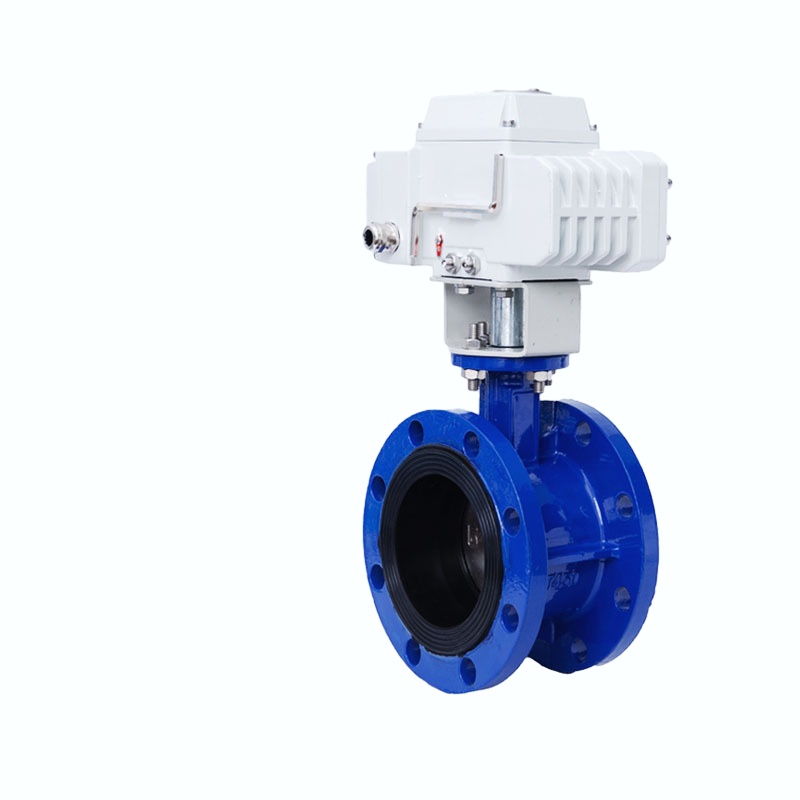

The relationship between structure and working conditions
The electric butterfly valve consists of a butterfly valve body and an electric actuator. The starting point for selection is not the actuator voltage, but the medium, temperature, diameter, pressure level, and maximum pressure difference; These conditions collectively determine the valve body material, valve seat, valve plate structure, and required output torque.
Conditions that need to be jointly confirmed when selecting
Soft seal configurations are commonly used for water, air, and compatible media with moderate temperatures, while hard seals or metal seal structures need to be evaluated based on temperature, pressure difference, seal rating, and operating conditions fluctuations. The connection forms such as clamps, flanges, and lugs should also match the pipeline flange standards and disassembly space.
Boundary between control and technical communication
The executing mechanism should clarify whether it is switch type or regulating type, power supply voltage, switch time, open/close feedback, protection level, and on-site control interface. When it comes to interlocking, the power-off status, manual operation requirements, and signal system should be written into the technical requirements, rather than being temporarily added later.
Conclusion
The product column of Fouten can be used for further comparison of structure and connection form. The actual project should still confirm the final configuration with complete process data, material list, and technical agreement.
 Home
 Valve selection
 news information
 Contact us