


 简体中文
 Japanese
 Korean
 Russian
 繁体中文
 Español
Valve selection
Pinhole Inspection vs Pressure Testing for Fluoropolymer-Lined Valves: Different Acceptance Evidence
Pinhole inspection evaluates the integrity of the corresponding lining layer, and pressure testing evaluates the pressure or sealing under specified conditions. The customer will list the two inspection objects and criteria separately, and will not use one report to replace all delivery evidence.
Shell pressure inspection focuses on structural boundaries
The shell pressure test mainly evaluates the corresponding pressure bearing structure and external leakage conditions, and the medium, pressure, and time used are determined by applicable specifications and finished product requirements. It cannot directly indicate that there are no minor defects in each lining layer, nor does it independently prove that the valve seat closure meets the requirements. The test records need to correspond to the model, specifications, and product identity, and it is not advisable to replace specific inspection information with a general certificate of conformity.
Lining inspection focuses on the integrity of material isolation
Applicable pinhole or other integrity checks are used to identify potential defects in the corresponding lining area. The method should match the material, thickness, and structure, and be implemented by qualified personnel according to approved procedures. The detection voltage and coverage method should have corresponding basis, and conditions that are too high or unsuitable may damage the lining layer. A certain method is applicable to flat lining plates, but it does not prove that it can directly cover the entire complex shape inside the valve.
Closing the seal requires independent conditions and results
The fluid flow through the valve seat sealing inspection and evaluation of the shut-off state must be clearly defined in terms of direction, medium, pressure difference, and allowable leakage. The absence of defects in the lining and the presence of the sphere do not necessarily indicate that the valve seat has achieved the specified sealing result. For soft seals and metal seals, the same sentence cannot be used to completely replace the corresponding standards. When special thermal or process conditions are required, they should be explained separately without expanding the conclusion of the room temperature inspection.
Match the inspection matrix with the delivered materials one by one
Procurement can use five types of information: product identity, inspection object, adoption method, acceptance conditions, and result records. The actual configuration, material list, and connection structure of PFA or FEP should be consistent with the records, and the results cannot be borrowed from another material or caliber. The handling and retesting of defects require a basis for finished products and quality procedures. The complete acceptance focuses on whether different evidence is closed, rather than simply adding test names.
Comparison of selection information
| Information | Corresponding focus points |
|---|---|
| housing | Prove the pressure bearing and corresponding leakage conditions |
| Lining layer | Prove the integrity of the applicable parts |
| valve seat | Prove the closure seal under specified conditions |
Corresponding products and selection entrance
Disassembling the acceptance of fluoropolymer-lined valves into three evidence chains: pressure bearing, lining, and valve seat can reduce misunderstandings caused by the three words' already tested '. Each record corresponds to the actual finished product and applicable conditions in order to have traceable delivery value.
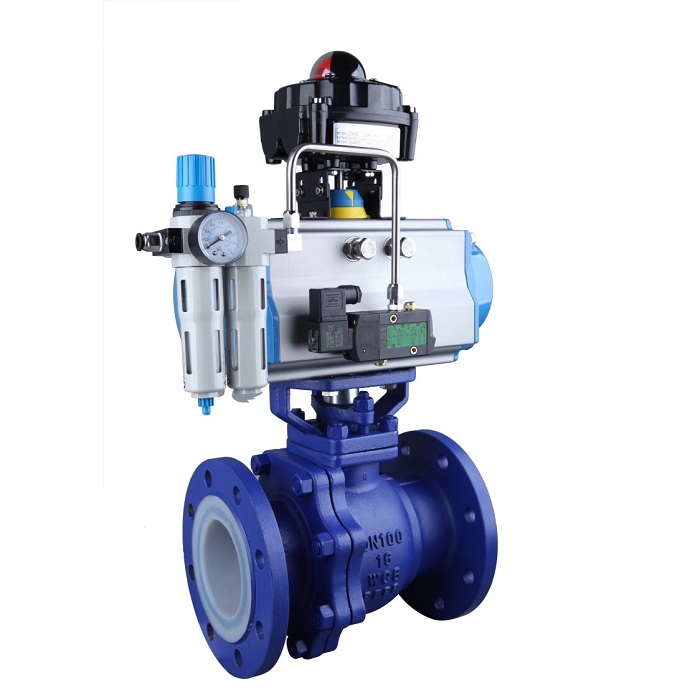
For details of the related design, refer to the product information for the Pneumatic steel lined fluoropolymer flange ball valve. For related products, see the lined valve product category.
Common customer questions
If a fluoropolymer-lined ball valve passes a hydrostatic test, can I skip the lining inspection?
No. Passing a hydrostatic test does not replace evidence of lining integrity; carry out the inspections separately as required by the product and project.
Can all fluoroplastic liners use the same detection voltage?
No, due to differences in materials, thickness, and structure, applicable procedures should be used instead of uniform values.
Does passing the pinhole inspection prove zero internal leakage?
No, the isolation of the lining layer and the sealing of the valve seat closure are different objects and require independent acceptance.
 Home
 Valve selection
 news information
 Contact us