


 简体中文
 Japanese
 Korean
 Russian
 繁体中文
 Español
Soft and hard seals should be selected according to the medium, temperature, particle size, and shut-off requirements. More temperature resistance does not mean that all working conditions are more suitable; First, identify the true limiting conditions, and then compare the sealing materials, driving loads, and maintenance costs.
Extended reading:Comparison of butterfly valve and ball valve selection Butterfly Valve Product Column
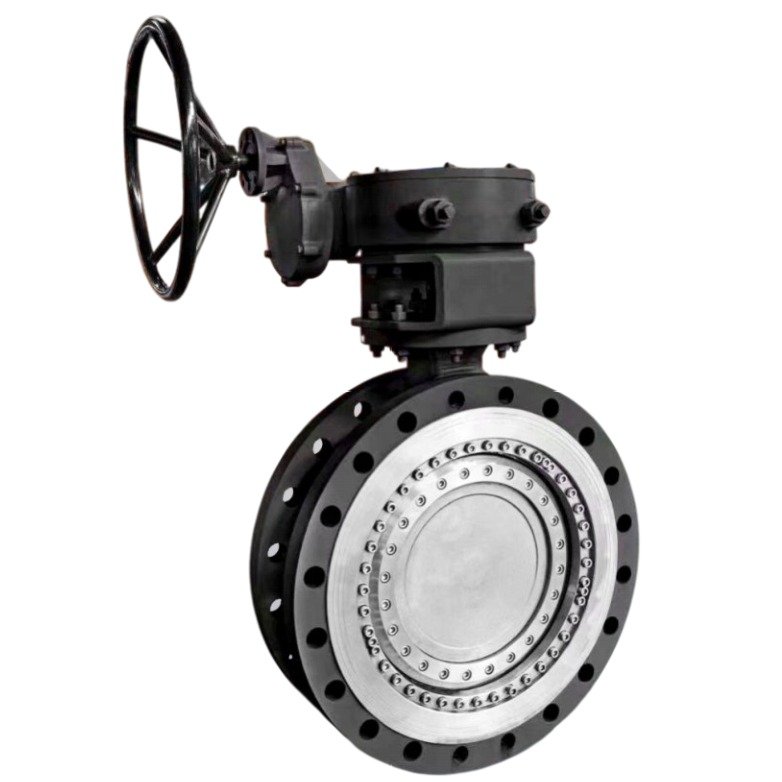
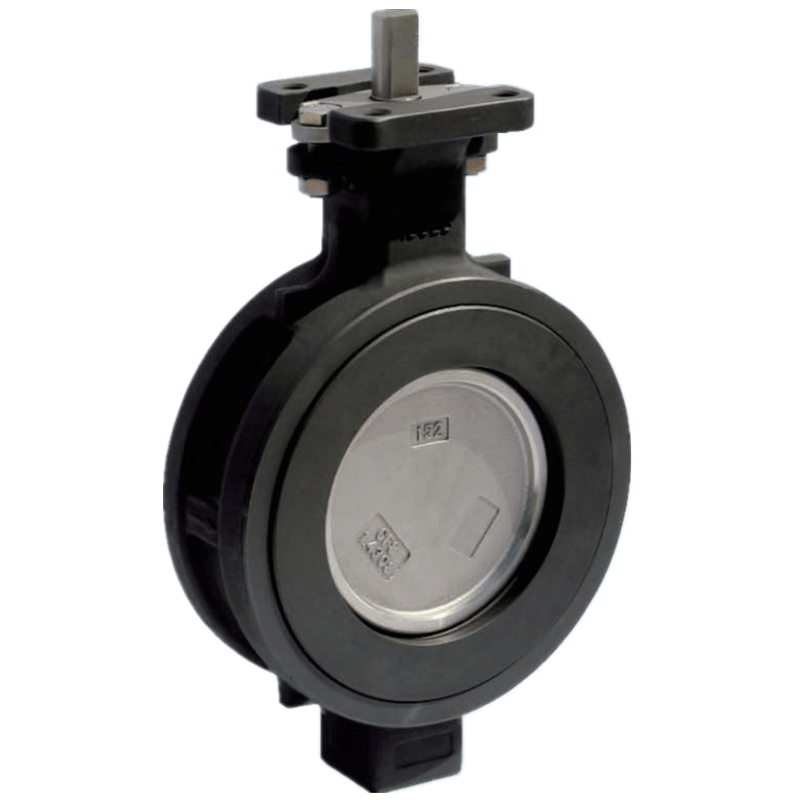
1、 First, let's take a look at the sealing pair and temperature boundary
Soft sealed butterfly valves typically rely on elastic valve seats such as rubber and PTFE to achieve a snug seal, suitable for cleaning media that are compatible with materials and have temperature and pressure differentials within acceptable ranges. Hard sealed butterfly valves use metal sealing pairs or multi-layer structures, which are usually more suitable for temperature fluctuations, abrasive erosion, or scenarios that require higher durability. However, it cannot be inferred that all models are suitable for high temperature and high pressure.
2、 Verify lifespan factors based on medium and operating frequency
The presence of particles, fibers, or easily scaling media can alter the risk of wear and blockage on the sealing surface; High temperature media such as steam and thermal oil require simultaneous verification of valve seat, shaft seal, packing, and valve plate materials. Frequent opening and closing can also amplify the effects of friction, torque, and thermal cycling. The selection table should record normal temperature, maximum temperature, pressure difference, medium composition, and daily action frequency.
3、 Include connection, driver, and maintenance in the inquiry
The flange, clamp, and lug structure determine the installation length, bolt disassembly boundary, and maintenance space. Electric or pneumatic actuators should be confirmed based on valve stem torque, fault status, control signal, and on-site air source, rather than just matching based on caliber. If the project has leakage levels, online replacement of valve seats, or anti-static requirements, they should also be clearly stated in the technical agreement.
4、 A verifiable selection process
The first step is to confirm the medium, temperature, pressure, and flow direction; The second step is to screen the sealing material and structure; The third step is to verify the connection standards, diameter, and installation space; Step 4: Calculate or confirm the output of the actuator; Step 5: Write the pressure test, leakage level, spare parts, and maintenance cycle into the order. Any missing data at any step should be supplemented to the process and equipment responsible person first.
Conclusion
Soft seals are not low-end, and hard seals are not a universal answer for all working conditions. The specific product configuration of Fouten Flow Control (Jiangsu) Co., Ltd. should be based on the model information, process data, and technical agreement, and the page parameters are only used for preliminary comparison.
 Home
 Valve selection
 news information
 Contact us