


 简体中文
 Japanese
 Korean
 Russian
 繁体中文
 Español
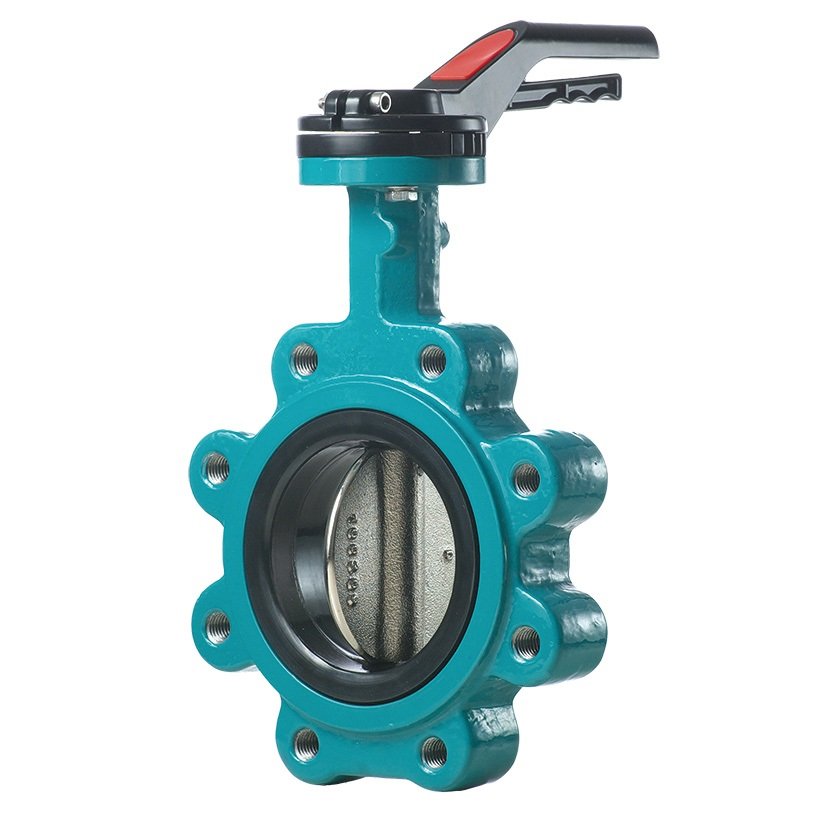
Ductile iron QT450 handle lug butterfly valve handle lug butterfly valve The main body of the butterfly valve is made of ductile iron QT450, which can be made into CLASS150, JIS10K, EN, PN16/PN10, with sealing direction and allowable leakage selected for the seat and specified test conditions. Each mating flange bolts to the lugs on its own side. Pipe supports, alignment and bolt fit all affect the installed valve. For dead-end service, check the rating of the selected valve with the opposite flange removed.
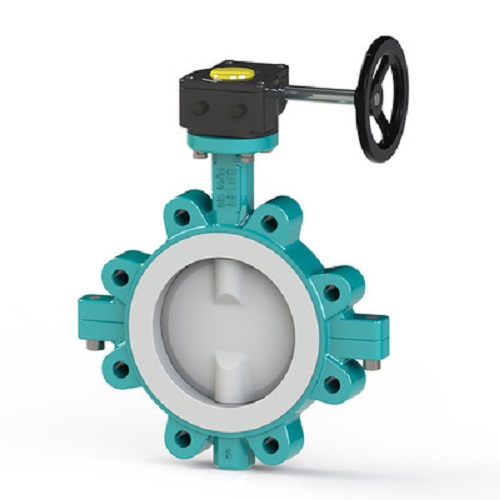
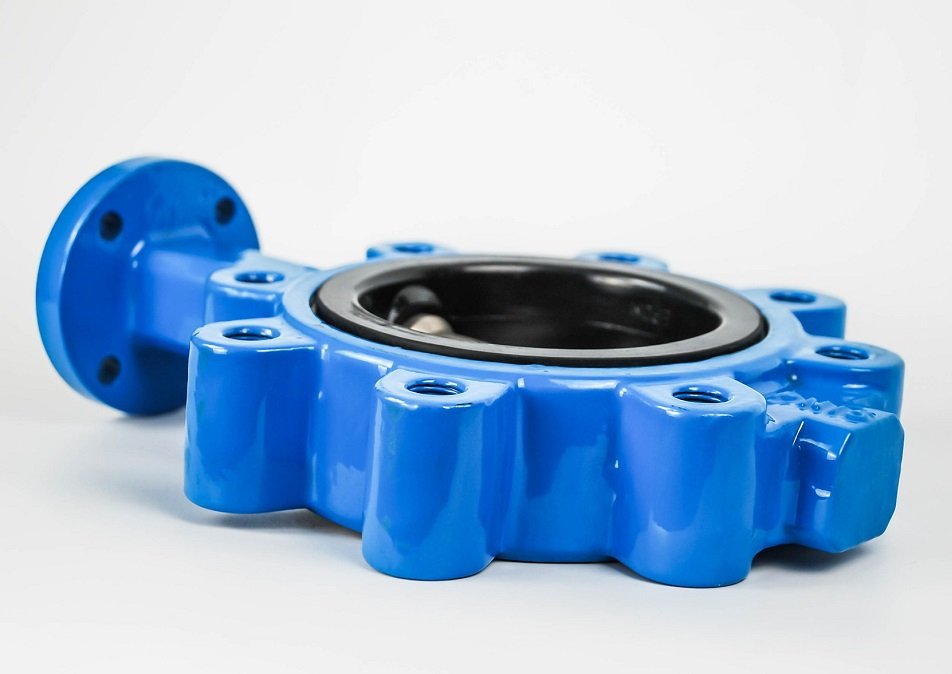 Upper flange connection lug butterfly valve
Actuator mounting pad
■ Material
We provide different material configurations for the butterfly plate/valve seat of the convex ear butterfly valve according to different media and working conditions. Material selection compares the process fluid, cleaning fluid, temperature and operating differential pressure for the disc and seat.
Valve body and mounting: Check the mating flange dimensions, lug threads and disc clearance. For an actuator conversion, compare the mounting pad, stem connection, travel and operating torque.
Valve Plate: High strength casting, the valve plate edge is processed into a spherical surface, manually polished or the entire valve plate is nylon sprayed or coated with glue, with low operating torque and long service life of the valve seat. The streamlined plate shape can reduce flow resistance, increase Cv value, and enhance pressure recovery.
Lug Butterfly Valve ANSI CL 150/ Manual Lug Butterfly Valve
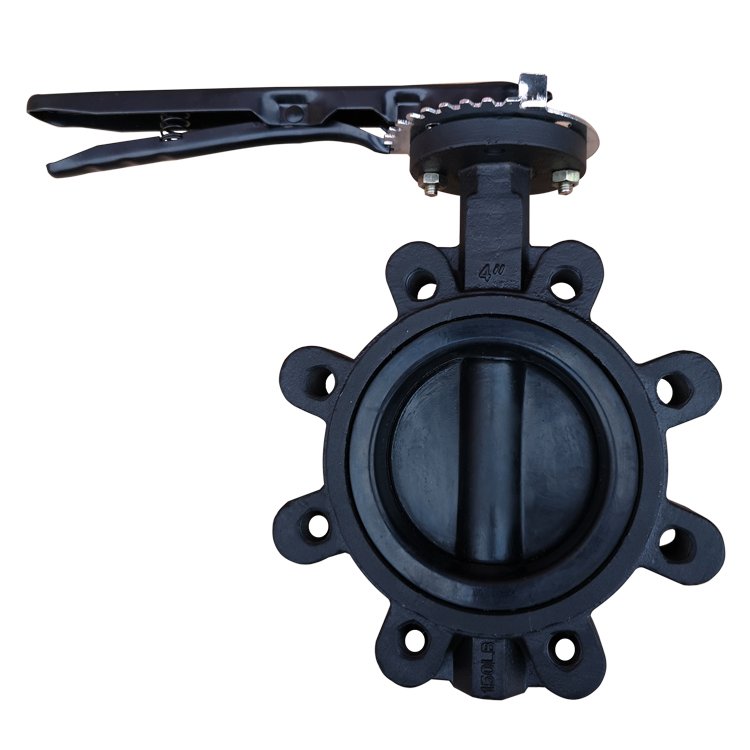
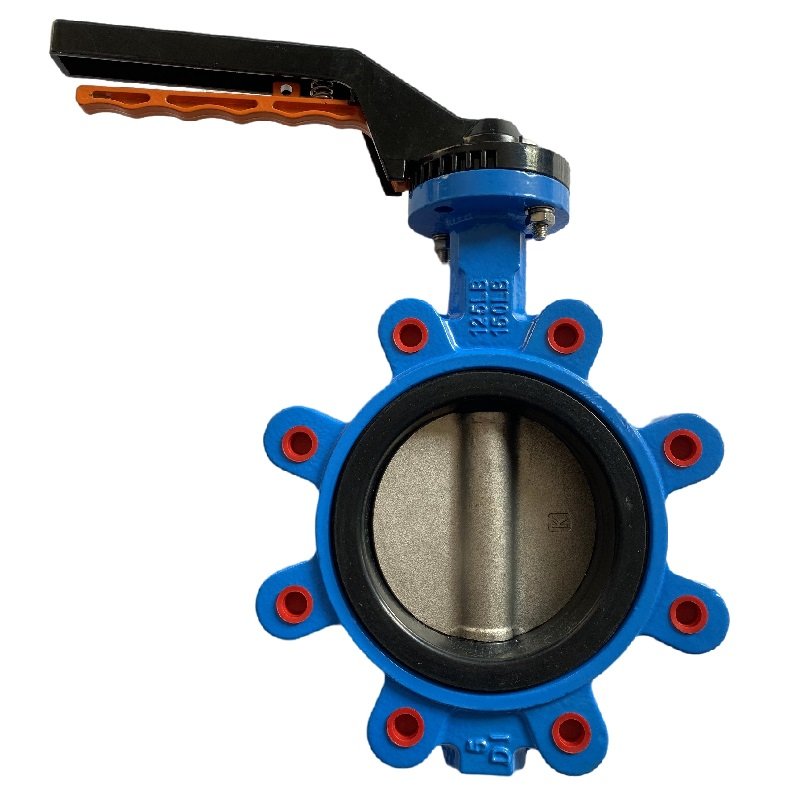 Handle lug butterfly valve
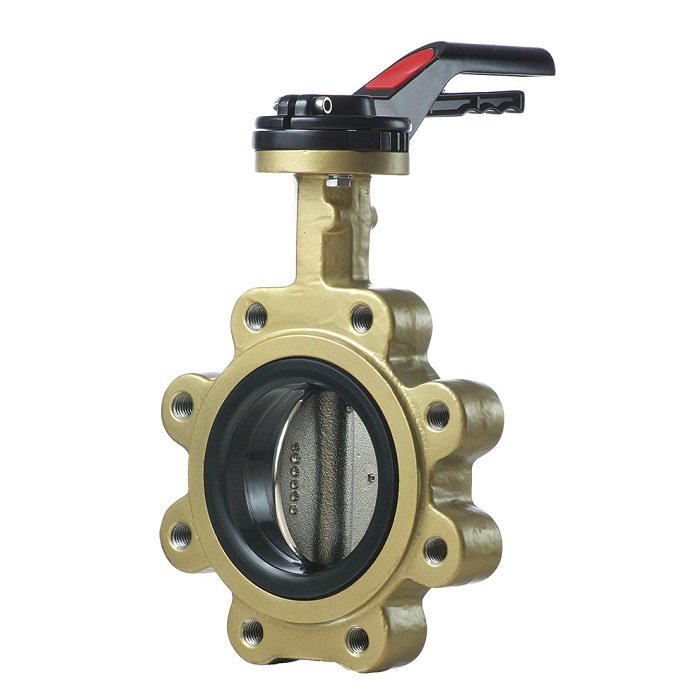 Manual Lug Butterfly Valve
Lug butterfly valves can be made in various colors according to customer needs
Seat and flange faces: Check the seat face, mating flange and pipe bore before assembly. If the seat also seals against the flange face, follow the installation drawing for gasket selection and bolt tightening.
■ Valve stem: Both through shaft and double shaft designs without pins can be provided upon request.
Use the section drawing to identify where the stem passes through the seat and seals. Select the stem material for the actual fluid exposure and external conditions.
The connection between the valve plate and the valve stem is precision machined to ensure the elimination of linkage hysteresis, and the connection transmits torque with suitable strength and controlled fit clearance.
For the dual axis no pin design, the precise flat or square stem end of the valve plate drives the valve plate without the need for screws and pins, and the tightly fitting flat or square stem end drives the valve plate, with the shaft and disc connection matched to the actual design.
Rough/Cast Lug Butterfly Valve
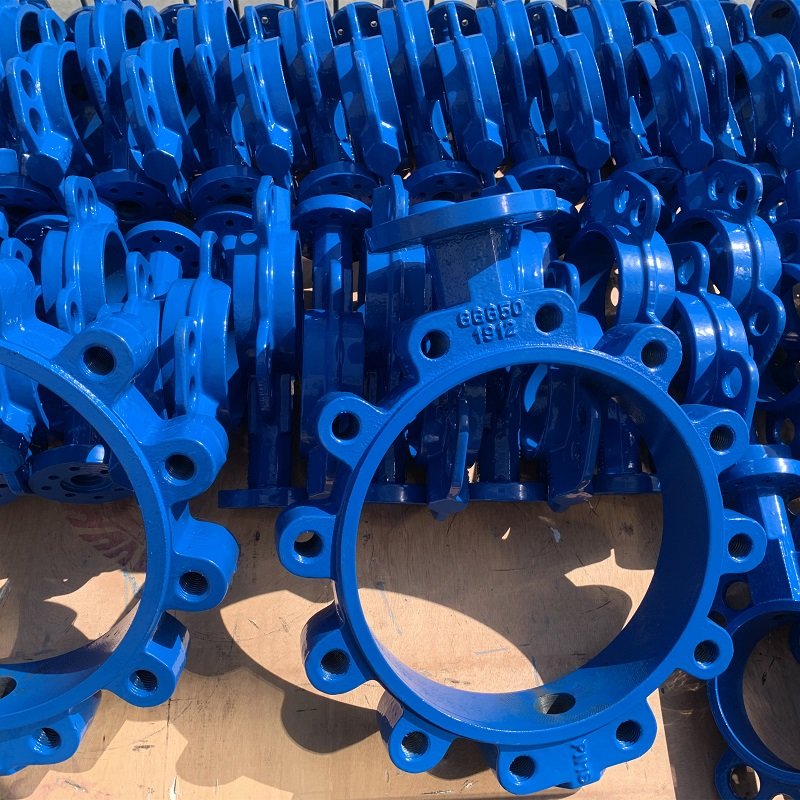 Rough/Cast Lug Butterfly Valve
Bushings support the shaft and bear the corresponding side loads. Phenolic resin, PTFE and brass are different bushing material options; these bearing parts are distinct from a process-fluid lining.
Stem retention: If the installation requires blowout-resistant stem retention, check the section drawing and specify the inspection for that configuration.
■ Seat and stem seals: The disc seals against the seat when closed. Seals around the stem address external leakage and should be checked separately. When ordering replacement stem seals, use the valve identification and parts drawing to check their number, dimensions and material.
■ Installation of actuators: Based on modular concept design, lever, worm-gear, pneumatic and electric operation can be selected for the valve load. Direct mounting or a bracket and coupling depends on the actual stem end and mounting interface. On site installation is easy, reducing tolerances and overall height.
Handle switch lug butterfly valve with chain lock
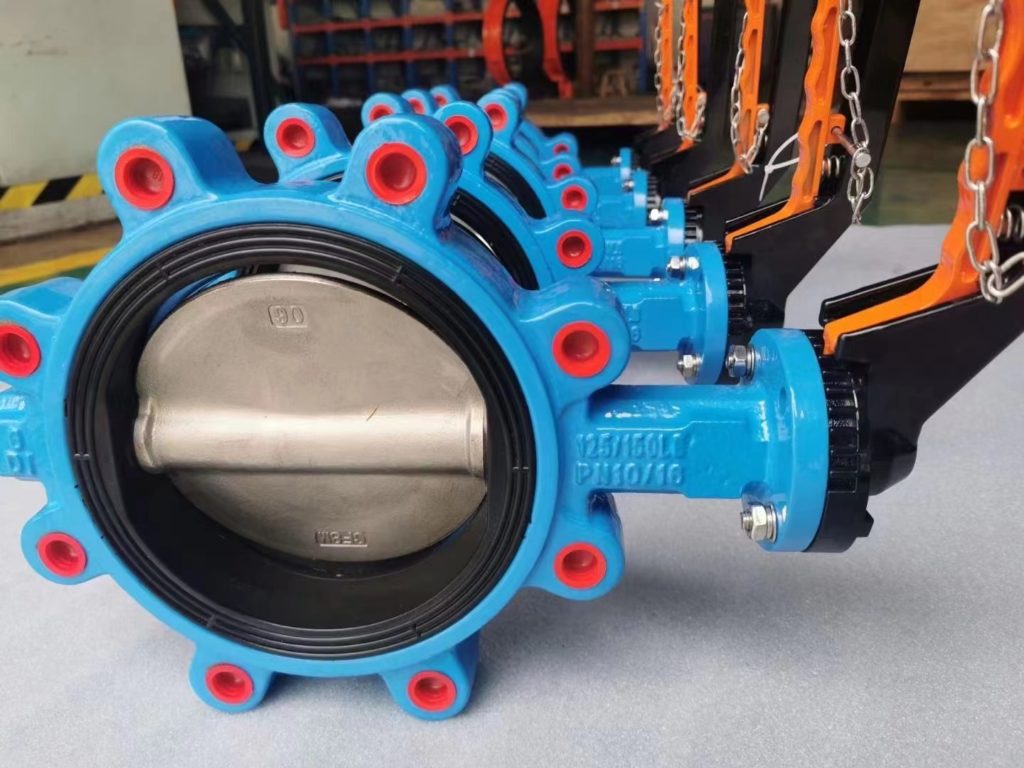 Chain lock handle lug butterfly valve
Handle lug butterfly valve
1、 Sealing direction and allowable leakage are defined with the seat configuration and test conditions.
Overall design
2、 When selecting a rubber seat, check which surfaces it covers and which parts could be exposed if the seat is damaged. Include cleaning fluids in the compatibility review.
3、 During maintenance, check for worn stem seals and side loads if leakage appears at the shaft end.
4. low operating torque.
5、 Lightweight and easy to install and maintain.
6、 If pressure drop matters, compare the flow coefficient for the selected size and opening, and check that the disc clears the pipe bore.
 Home
 Valve selection
 news information
 Contact us