


 简体中文
 Japanese
 Korean
 Russian
 繁体中文
 Español
Valve selection
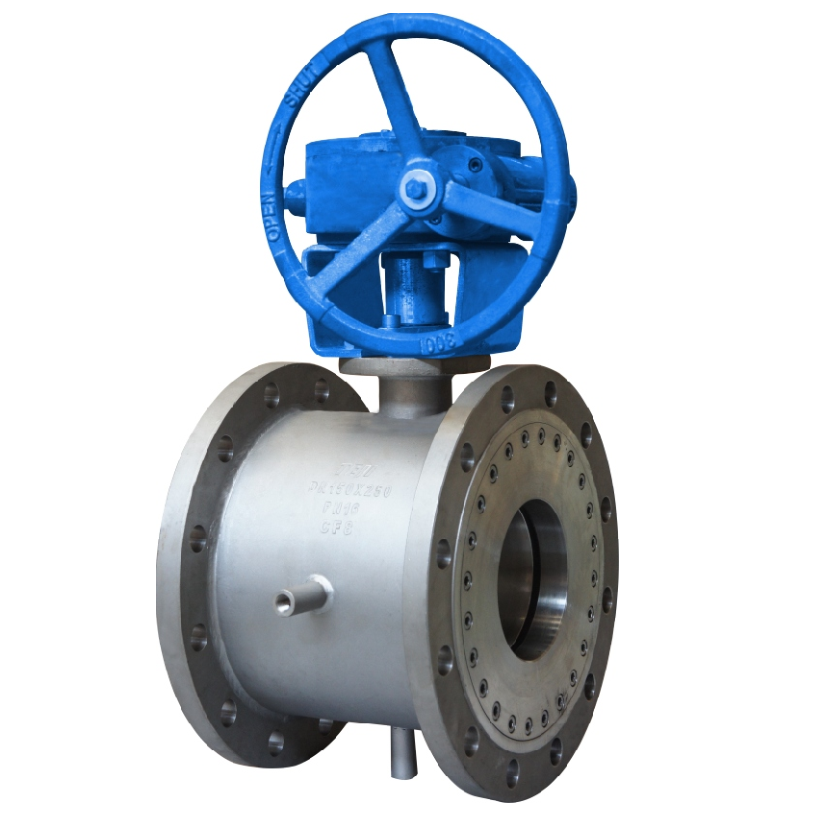
CF8/304 stainless steel worm gear prevents medium solidification, insulation jacket flange ball valve BQ41F
The BQ41F stainless-steel jacketed flanged ball valve is used where the valve body needs heat input to maintain process-fluid temperature. A compatible heating medium circulates through separate jacket connections and transfers heat through the metal wall. A handwheel and worm gearbox rotate the ball for opening and closing. The process passage and heating jacket have separate pressure and temperature conditions.
The worm drives the worm wheel and transmits rotary torque through the stem to the ball. As the ball turns, its bore aligns with or moves away from the pipe passage. Reduction lowers the handwheel effort; actual flow depends on both opening and pressure conditions. The CF8/304 body, ball, stem and seals have different pressure-containing, operating and sealing functions, so wetted-material selection accounts for the fluid and temperature.
Heat supplied through the jacket reduces local cooling that can thicken or solidify the process material. Before admitting material, allow the valve and adjacent piping to reach the required process condition. With steam heating, condensate removal affects heat transfer. Extended shutdown may also call for draining or cleaning according to the material involved.
If operation becomes difficult, compare heating-medium inlet and outlet temperatures with the valve body and adjoining pipe to locate cold spots. After safe isolation, inspect deposits and sealing contact. Ordering data should identify process and heating-medium conditions separately, together with jacket connections, flange details and face-to-face dimensions.
Why can material solidify near the valve while steam is supplied?
Condensate retention, uneven heat distribution and heat loss from adjacent piping can create cold spots. Comparing jacket and body temperatures helps locate them; adequate preheating is also important.
Can the process passage and jacket use the same pressure rating?
They are separate pressure-containing spaces with their own design conditions. State process pressure and heating-supply pressure separately when specifying the valve.
What should be done if the handwheel will not turn after shutdown?
Safely isolate and distinguish solidified material from foreign matter or a drive fault. Treat solidified material using a compatible heating or cleaning procedure rather than forcing the handwheel.
 Home
 Valve selection
 news information
 Contact us