


 简体中文
 Japanese
 Korean
 Russian
 繁体中文
 Español
Valve selection
Is the white lining of the fluoropolymer-lined valve PTFE? Material name, physical object, and traceability information
White is just an appearance and cannot prove that the lining is PTFE. Customers confirm PTFE, PFA, or FEP through material lists, finished product records, and appropriate inspections, without using color or texture to name the materials.
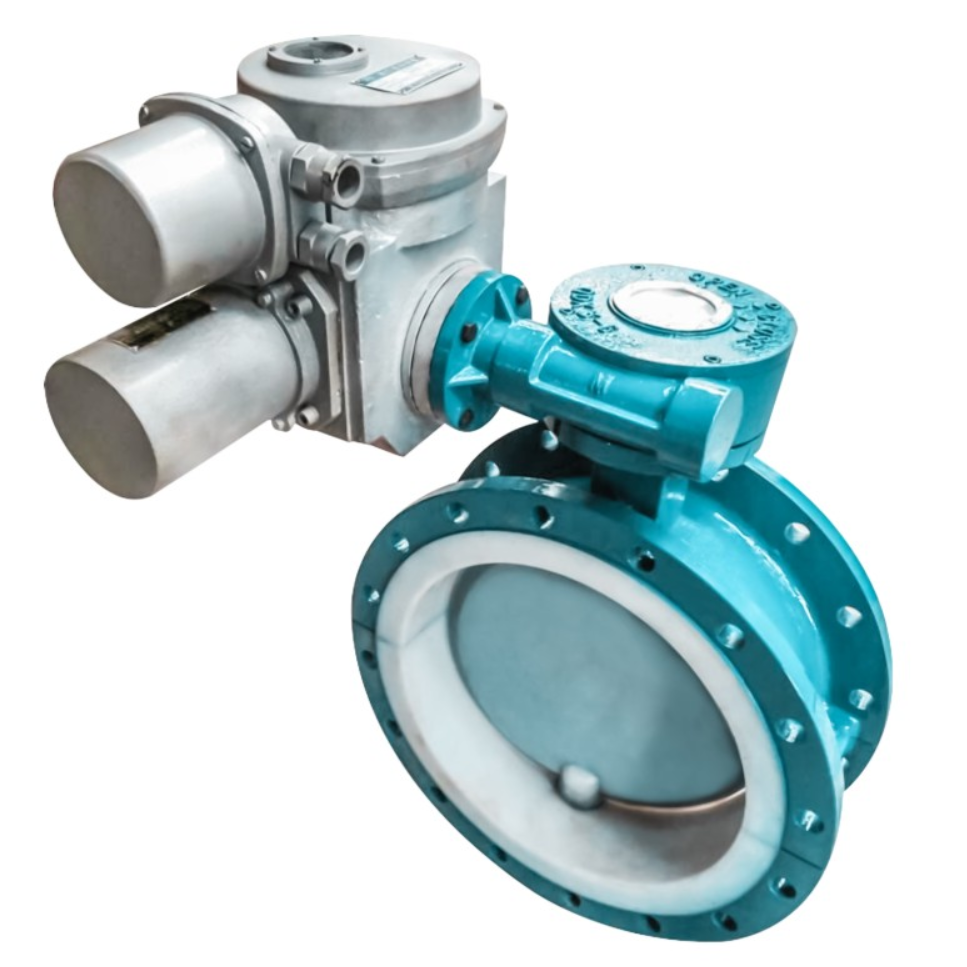
Color does not equal polymer and material grade
The appearance of the lining layer is affected by actual materials, formulas, processing conditions, thickness, and shooting conditions. Even if two products look similar, it cannot be determined that the materials are the same based on this; Color differences should not be directly identified as counterfeit or unqualified. Color can serve as an abnormal clue, but the final judgment should be based on material and finished product information.
Transparency, surface gloss, and tactile sensation are not universal criteria for identification. Unauthorized scraping, burning, or solvent testing can damage the lining and may also pose other risks. What customers need is a traceable supply identity, rather than finding a seemingly intuitive way of identification by destroying the finished product.
The optional materials in the series should be written separately from the actual materials in this order
The page lists options such as PFA, FEP, and PTFE, indicating that the series can be configured according to the corresponding materials, but it does not mean that this item has the performance of several materials at the same time. The order should specify the name of the lining material and whether the key liquid receiving parts are made of the same or different materials, avoiding covering all actual components with the word "fluorine lining".
The abbreviation of the project also needs to be accurately explained. F46 often corresponds to FEP, and F4 often corresponds to PTFE; Some manufacturers have custom model rules, so it is necessary to confirm them in conjunction with the complete material list. If F46 cannot be seen, the main text, purchase order, and certificate of conformity should be uniformly rewritten as PTFE, and the title of PFA should not be changed without implementing the physical configuration due to customer needs.
The material proof should be able to be associated with specific finished products
The material file needs to answer: what material to prove, which component to correspond to, and how it is associated with this batch of finished products. The raw material batch file and finished product identification bear different links, and a single universal resin document cannot prove that all delivered valves use this material. The supply list, finished product number, material list, and necessary batch traceability should be able to be cross checked.
When additional inspection is required, the testing object, method, and judgment basis should be clarified first, and implemented by personnel or institutions with corresponding conditions. The identification of basic materials by a certain inspection does not necessarily prove the entire formula, processing quality, or work performance. The material identification report cannot be expanded into a unified proof of temperature and pressure capability, anti-static, or the entire corrosion resistance range of the finished product.
Correct materials do not necessarily mean that all working conditions are applicable
The usage conditions also include medium composition, concentration, temperature, pressure, vacuum, particles, and temperature cycling. The correct material name is one of the basis for selection, not the final applicable conclusion. The fixed lining and manufacturing structure also affect the performance of the finished product, and the actual usage boundaries of the same polymer in different products need to be evaluated accordingly.
If the project involves special conductive configurations, high purity, or other material requirements, they should be listed separately in the order and verified as proof objects. Ordinary lining and special formula cannot be distinguished solely by color; Materials, structures, and necessary inspections must correspond to each other. After arrival, if the file name is found to be different from the order, technical confirmation should be carried out first, and a higher grade material name should not be used to cover up the delivery inconsistency.
Verify with the actual model and do not allow page options to replace the finished product list
The D941F46-16C electric fluoropolymer-lined flange butterfly valve page of Fouten clearly states that F46 corresponds to the FEP material system, and other lining options need to be confirmed separately according to the order. Customers should match the required materials, actual models, and delivery documents. After adopting another lining layer, the name and information should also be consistent, rather than retaining the old material description.
The arrival record can be accompanied by photos of the end face and label for appearance and identity retention, but it cannot replace document verification. Retain supplier confirmation, finished material list, and exception handling conclusions, and only proceed with purchasing seals or replacing the entire valve in order to continue using the true identity. For products with insufficient information, evidence should be provided first before determining whether they meet the working conditions.
Identification checklist for lining materials
| Evidence | Verification function |
|---|---|
| Order Material Name | Clarify this configuration, not only writing series options |
| Material List for Liquid Receiving Components | Distinguish between lining, opening and closing components, and sealing materials |
| Finished product number and batch | Linking actual delivery with material proof |
| Necessary inspections | Clearly define the object, method, and judgment boundary |
| Working conditions and structure | Applicability evaluation beyond material identity |
Corresponding products and further selection
The key points of lining material acceptance are accurate name, clear components, and physical traceability. Using appearance observation as an aid, material list and finished product identity as evidence, combined with working condition evaluation for applicability, can reduce caliber conflicts between procurement, receiving, and subsequent maintenance.
Can be combinedElectric fluoropolymer-lined flange butterfly valve D941F46-16C andManual carbon steel lined PTFE three-way directional ball valve PFA/FEP/PTFEThe actual product information confirms the structure and selection requirements. For more similar products, please refer toLining Valve Column。
Related questions can continue to be read:What is the difference between PFA, FEP (F46), and PTFE (F4)?。
General principle reference:CRP Fluoroplastic Material and Manufacturing Process Description;CRP Material Management and Traceability DataThe specific functions of the finished product are based on the corresponding structure and verification data.
Common customer questions
Can we identify it as PTFE just because the lining is all white?
No. Color cannot uniquely identify materials, and it is necessary to verify the traceability information of the order, liquid receiving material list, and specific finished products.
Can the model with F46 and the certificate of conformity with PTFE be received as the same material?
Cannot be directly equated. F46 often corresponds to FEP, and the differences should be confirmed according to the actual model rules and material list, and formal technical processing conclusions should be obtained.
Does receiving the raw material testing report prove that the entire valve is suitable for vacuum or flammable media?
Not proving all the functions of the finished product. It is necessary to separately verify the structure, working conditions, special configurations, and corresponding verification data, and cannot expand the conclusions of the material report.
 Home
 Valve selection
 news information
 Contact us