


 简体中文
 Japanese
 Korean
 Russian
 繁体中文
 Español
Valve selection
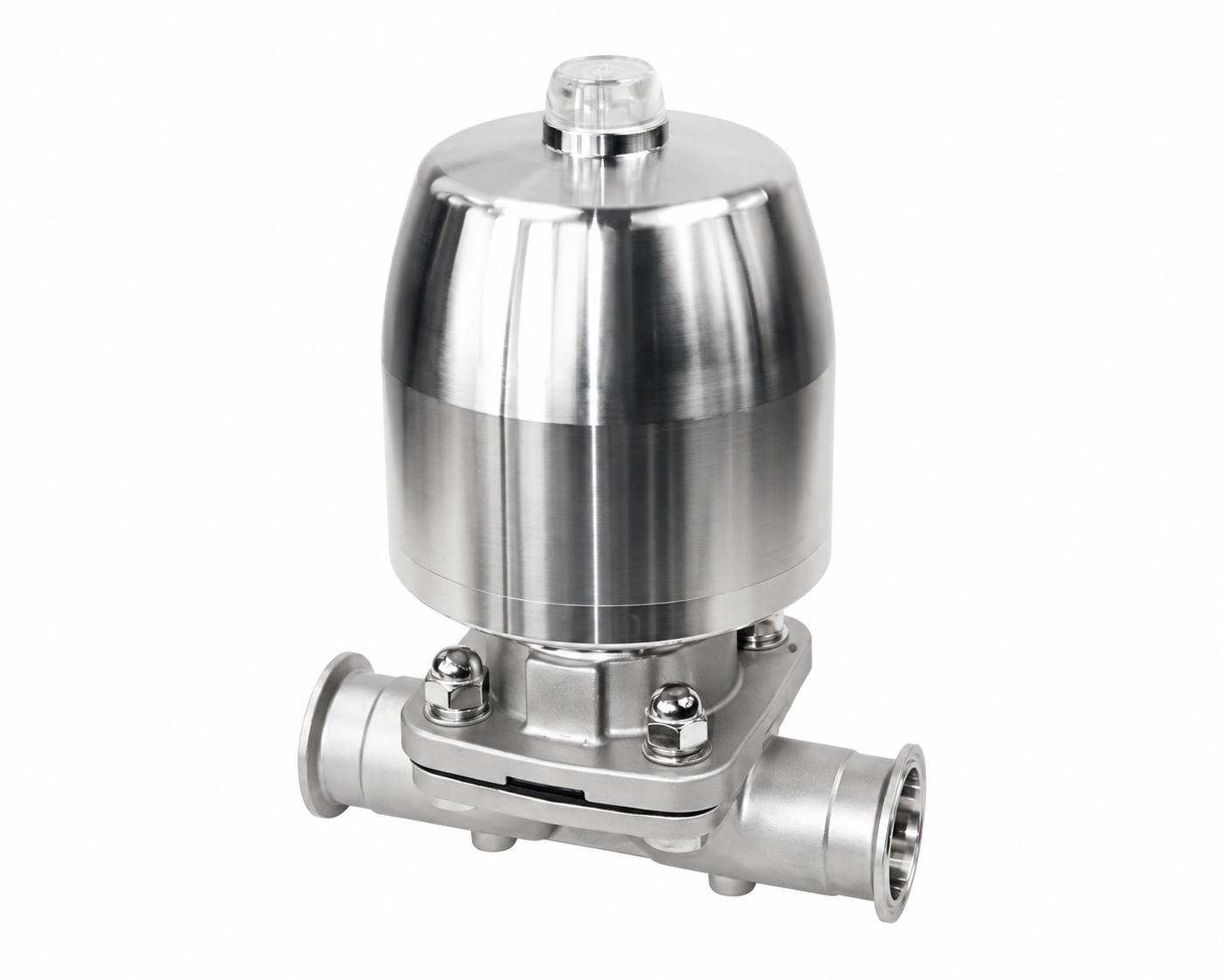
Pneumatic Sanitary Diaphragm Valve G681F-10P
| Specification | Value |
|---|---|
| Model number | G681F-10P |
| Specification and caliber | DN15-DN100 |
| Pressure level | PN10 |
| Material | 316L stainless steel |
| Product Features | Isolation of media and drive, low retention, easy to clean |
The G681F-10P pneumatic sanitary diaphragm valve isolates the media from the stem drive area using a diaphragm, suitable for purified water, beverages, pharmaceutical fluids, and other compatible clean pipelines. Selection should confirm the valve body flow path, diaphragm number, quick-connect ports, and actual cleaning process together; merely looking at 316L or sanitary grade names cannot determine drainage and diaphragm lifespan.
Product Parameters
| Product Model | G681F-10P |
|---|---|
| Structure Type | Sanitary diaphragm isolation structure, quick-connect ports; drainage flow path confirmed according to selected valve body drawing |
| Nominal Diameter | DN15-DN100 |
| Pressure Rating | PN10 |
| Body Material | 316L stainless steel |
| Seal Type | EPDM or EPDM composite PTFE diaphragm |
| Actuation Method | Normally closed, normally open, or double-acting pneumatic actuator |
| Applicable Temperature | -20â to 150â, confirmed according to diaphragm material |
| Applicable Media | Purified water, beverages, pharmaceutical fluids, and compatible clean media |
Diaphragm Isolation and Drainage are Two Different Requirements
The diaphragm forms an isolation boundary between the media and the upper mechanism, while the valve body channel and installation posture affect residues. When low retention or self-drainage is required, the structure and installation data of the selected valve body should be obtained, and the pipeline slope should be checked; internal flow paths cannot be inferred from external photos.
For continuous adjustment, the valve body characteristics, allowable pressure differential, and corresponding positioning control must also be verified; ordinary switching schemes cannot be directly treated as precision control valves. When quoting, list cutoff, adjustment, and cleaning tasks separately to determine whether the complete configuration is intact.
EPDM and Composite PTFE Diaphragms Cannot Be Sorted by Temperature Resistance Alone
The diaphragm bends repeatedly during its stroke, and the chemical compatibility of the material, supporting structure, and compression amount collectively affect its use. The composition, concentration, temperature, pressure, and duration of the production media and cleaning agents should be provided simultaneously; the maximum temperature resistance of the raw materials should not be treated as the overall valve cycling capability.
When replacing, check the diaphragm number, size, connection type, and backing structure. The same color or fit into the valve body does not prove that the two spare parts are interchangeable; maintaining material and batch records is necessary to explain changes in action or lifespan after replacement.
Cleaning and Sterilization Conditions Must Cover the Complete Liquid Contact Boundary
The valve body, diaphragm, quick-connect gaskets, and connection ends all fall within the verification scope. When material certification, surface reports, cleaning, or sterilization validation are required, corresponding parts and delivery documents should be agreed upon during the procurement phase; valve body material certification cannot replace the cleanliness evaluation of the entire unit.
CIP and SIP have different temperatures, times, and cycles, and may also differ in pressure combinations during the production phase. After changing cleaning agents or increasing temperatures, the applicable conditions for the diaphragm and gaskets should be re-evaluated, and the maintenance cycle under the old formula should not be continued.
Clamp Connection and Installation Direction Should Be Verified Together
Provide the outer diameter of the sanitary pipe, end series, clamp, and gasket sizes, and arrange the direction according to the drainage requirements of the selected valve body. Replacement parts cannot be purchased solely based on DN consistency, nor can misalignment of the connecting pipe be eliminated by forced clamping.
Pipelines and actuators should have appropriate support and leave space for diaphragm replacement. Keeping the installation position, port diagrams, and valve body direction in maintenance documents reduces errors during the next disassembly compared to merely recording the model.
Loss of Air Cannot Be Judged Solely by the Cylinder Shape
First determine whether to close, open, or take other system measures when losing air, then choose normally closed, normally open, or double-acting configurations. Electromagnetic valves, position feedback, and control units should be checked separately, and actions after restoring air supply should also be included in the debugging.
After assembly, check the actual stroke, feedback, and shut-off under approved conditions, without overly compressing the diaphragm to achieve a tighter closure. If the command is in place but the actual action is abnormal, first check the air source, mechanical connections, and diaphragm assembly.
What Clues Should Be Retained for Premature Diaphragm Damage
Record the location of cracks, bulges, or wear, as well as usage duration, action counts, and temperature-pressure cycles; also verify cleaning formulas, assembly compression, and possible foreign objects. Repeatedly replacing the same type of diaphragm without investigating the cause may allow the new part to continue suffering the same damage.
Before disassembly, isolate the media, relieve pressure, and control drive energy storage; the clean system should handle residual liquid and contamination risks as specified. After replacement, re-verify sealing, action, and cleaning requirements; appearance integrity or cylinder movement alone cannot be used as the basis for restoration.
Common Customer Questions
The diaphragm cracks shortly after use; can I just replace it with a thicker one?
First, check the failure location, material number, cleaning cycle, and stroke compression. Changing thickness may affect bending and sealing fit; the corresponding diaphragm for the valve body should be used, and thickening cannot replace fault analysis.
Is the valve body made of 316L sufficient for sanitary and cleaning requirements?
It is also necessary to verify the diaphragm, gaskets, liquid contact surfaces, flow paths, and installation drainage conditions. Material identity and cleaning effectiveness are different matters, and the required documents and validations should correspond item by item.
After replacing the diaphragm, does the cylinder still need to be re-debugged?
It is necessary to verify assembly, actual stroke, compression state, and feedback, and then perform the specified leakage and cleaning validation. The ability of the drive to move does not prove that the new diaphragm is correctly positioned or that the seal is qualified.
What Information is Required When Ordering
Please provide the production and cleaning media, temperature, pressure, and cycles, switching or regulating purposes, quick-connect interface information, and loss of air targets. Confirm diaphragm and gasket materials, valve body flow paths, installation posture, and surface requirements separately; for old valve repairs, include diaphragm numbers, damage photos, and maintenance records to facilitate review of matching plans.
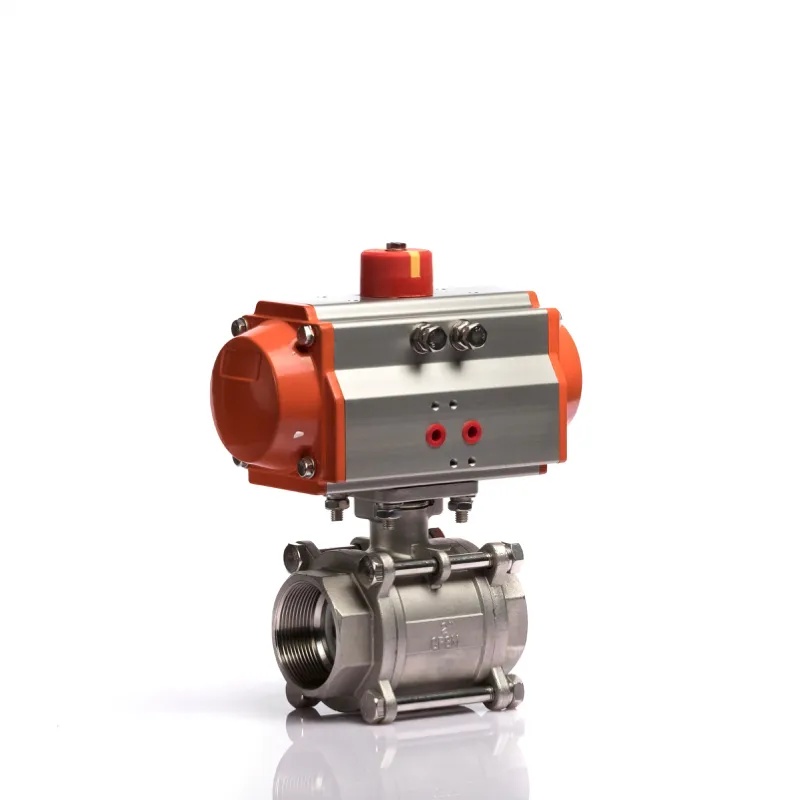
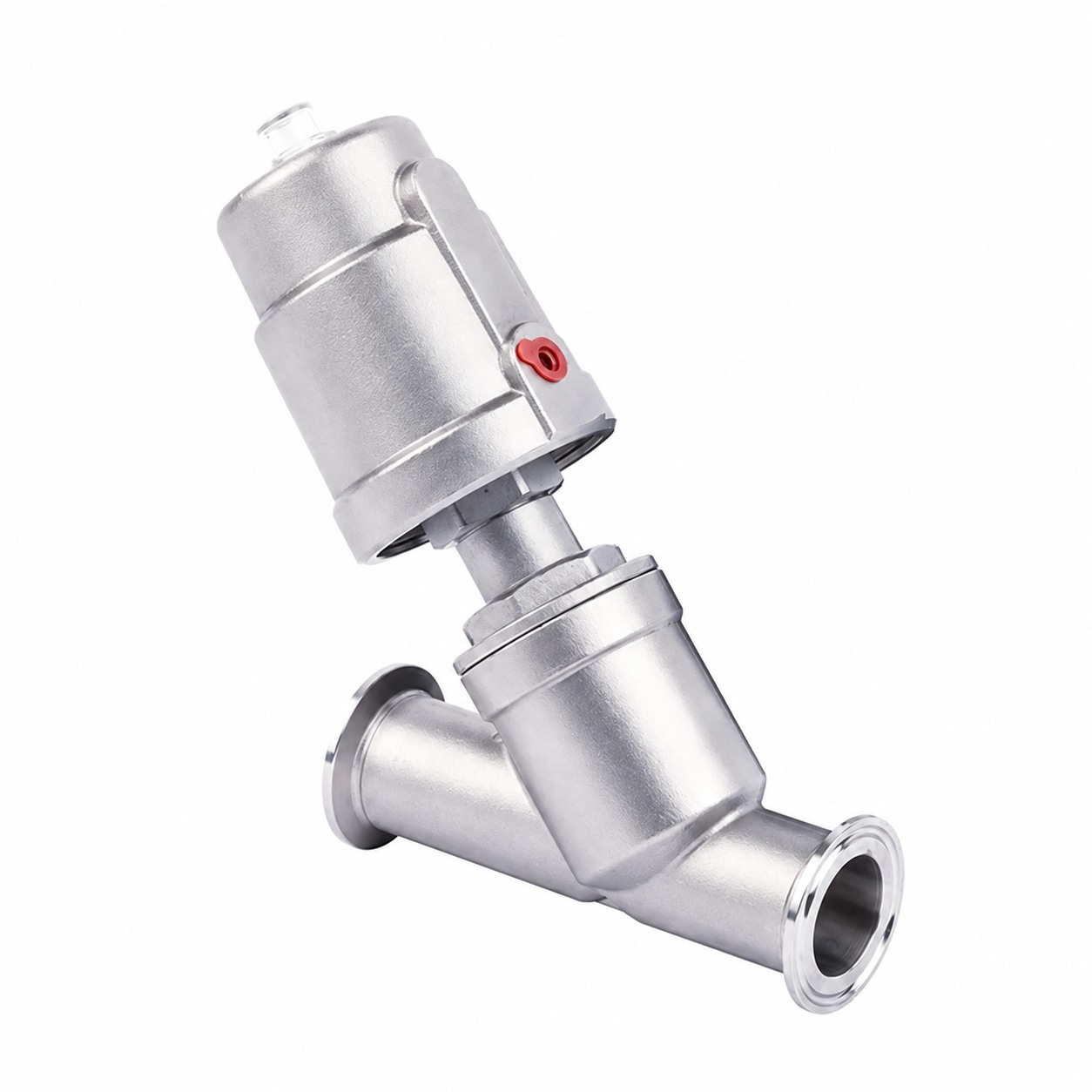
For other structures, see Pneumatic Valves, comparing connections, sealing, and control configurations under the same working conditions.
 Home
 Valve selection
 news information
 Contact us