


 简体中文
 Japanese
 Korean
 Russian
 繁体中文
 Español
Valve selection
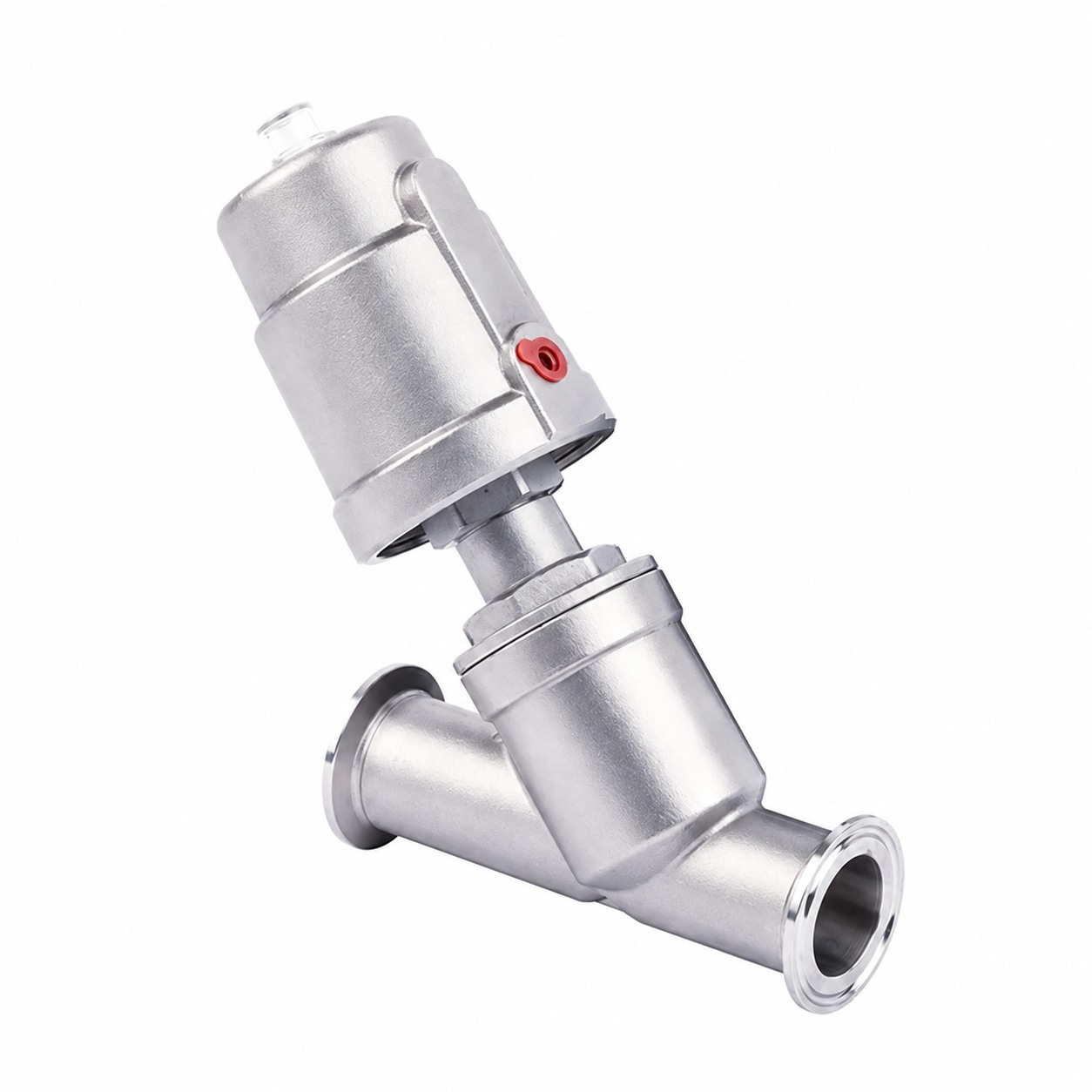
Pneumatic Sanitary Angle Seat Valve J681F-16P
| Specification | Value |
|---|---|
| Model number | J681F-16P |
| Specification and caliber | DN15-DN80 |
| Pressure level | PN16 |
| Material | CF8/CF8M |
| Product Features | High flow channel, quick opening and closing, optional vent position |
The J681F-16P pneumatic sanitary angle seat valve is used for automatic shut-off of clean water, air, steam, and compatible process fluids. When replacing an old valve, first confirm the quick-connect port, installation space, and allowed flow direction, then match the cylinder according to the maximum closing pressure differential. The clamp can hold, and the cylinder can operate, but neither alone proves that the interface is compatible or that the shut-off capability is qualified.
Product Parameters
| Product Model | J681F-16P |
|---|---|
| Structure Type | Y-type straight-through valve body, quick-connect, inclined stem structure |
| Nominal Diameter | DN15-DN80 |
| Pressure Rating | PN16 |
| Body Material | CF8/CF8M |
| Seal Type | PTFE seat and composite packing |
| Actuation Method | Single-acting or double-acting pneumatic piston actuator |
| Applicable Temperature | -10â to 180â, confirmed by sealing material |
| Applicable Media | Clean water, air, steam, and compatible process fluids |
What Control Tasks are Suitable for Angle Seat Structure
The inclined stem drives the valve disc away from or against the seat, allowing the medium to pass through the Y-type flow path. The standard switch configuration primarily completes shut-off; if continuous adjustment is required, the valve core, flow characteristics, positioning control, and allowable pressure differential should be confirmed separately, and it is not sufficient to simply add an analog signal to the switch cylinder.
When comparing solutions of the same diameter, the actual flow path, structural length, and cylinder shape must also be considered. Just because the valve body fits into the pipeline does not mean there is still enough disassembly space above the actuator; when replacing an old valve, provide the connection pipe dimensions and photos of surrounding equipment.
If Steam Does Not Shut Off Properly, First Check the Pressure Differential and Specified Flow Direction
The nominal pressure of the valve body and the allowable closing pressure differential are not the same indicator. The force on the valve disc is related to the flow direction, and the cylinder should cover the actual opening and closing load under the minimum effective supply conditions; do not use increased air pressure or tightened limits to mask selection, material clamping, and sealing damage.
For steam applications, also clarify the condensate, start-stop temperature difference, and actual flow direction. The arrows on the pipeline, valve body markings, and supply drawings should be consistent; do not guess the medium inlet based on the cylinder orientation, nor directly apply installation experience from another type of angle seat structure.
Quick-Connect Interfaces Must Confirm Ports and Gaskets Together
Provide the outer diameter of the pipe, end dimension series, clamp, and gasket information, and verify the structural length. Even if the DN is the same but the end profile is different, it may still not be able to be tightened correctly; do not rely on tightening the clamp to correct a misaligned pipeline, as the joint and valve body do not bear additional suspended loads.
When replacing gaskets, check the cross-section, material, and cleaning conditions. If leakage occurs at the clamp joint, valve stem, or valve seat, it should be recorded separately; if there is no leakage on the outer side of the interface, it does not prove that the sealing of the valve seat has been restored after closing.
Sanitary Requirements Are Not Determined by Polished Appearance
Verify the liquid contact identity of the valve body, valve seat, packing, and end gaskets separately. Materials like CF8, CF8M, etc., cannot be replaced by simply referring to stainless steel; if there are additional low-carbon grade requirements for the project, they should be clearly stated in the material list and delivery proof, and not distinguished by appearance.
For food or pharmaceutical equipment, confirm the liquid contact surface, flow path residues, cleaning agents, and cleaning temperatures. When CIP or SIP is required, determine the allowable conditions based on the entire valve and sealing configuration; do not assume any sterilization capability just because the port is easy to disassemble.
Vent Position and Control Accessories Must Be Verified Together
Normally closed, normally open, or double-acting is chosen based on process safety goals, while listing the states during venting, power loss, and restoration of air supply. The solenoid valve, feedback, and air circuit should match the actuator, and energizing the coil cannot replace real valve position feedback.
The first debugging should confirm the flow direction, full stroke, and switch feedback under approved low-risk conditions, and then leak test according to agreed conditions. If there is a delay, record the changes in supply air and exhaust state during operation, and do not continue to force drive when the cause is unknown.
How to Determine True Restoration After Maintenance
First isolate the medium, relieve pressure, and control the cylinder's energy storage, then check the valve seat attachments, valve stem connections, and sealing element identities. If the new valve seat still leaks after installation, compare the assembly, actual closed position, and testing conditions, rather than just judging whether the spare parts are brand new.
Keep records of the temperature, upstream and downstream pressures, action direction, and leakage point photos when the fault occurred. After reassembly, verify external leakage at the joints, valve stem sealing, valve seat shut-off, and control actions separately, so that the next maintenance can be compared against the same benchmark.
Common Customer Questions
Can an Old Quick-Connect Angle Seat Valve of the Same DN25 Be Replaced Directly?
It is necessary to check the end dimension series, gaskets, structural length, flow direction, and cylinder clearance. Provide the original valve model along with the port diagram; do not judge compatibility based solely on the same diameter.
If the Steam Pressure Does Not Exceed PN16, Why Might It Still Not Shut Off?
Nominal pressure cannot replace the allowable closing pressure differential. You also need to compare the maximum pressure differential, flow direction, cylinder output under minimum air supply, and valve seat status; do not simply increase air pressure to force shut-off.
If I Want to Increase the Temperature During Cleaning, Is It Enough to Just Change to a Higher Temperature Resistant Gasket?
Not enough. The valve seat, packing, other liquid contact parts, and temperature-pressure cycling also have usage boundaries, and should be checked according to the entire configuration and cleaning process, completing the corresponding functionality and sanitary verification.
What Information is Needed When Ordering
When ordering, please list the production and cleaning media, normal and maximum temperatures, pressures before and after the valve, and maximum closing pressure differential, along with quick-connect interface diagrams, outer pipe diameters, air supply, and control requirements. Any required material certifications, surface, and cleaning acceptance items should be listed separately, and for old valve replacements, include overall assembly dimensions and fault records.
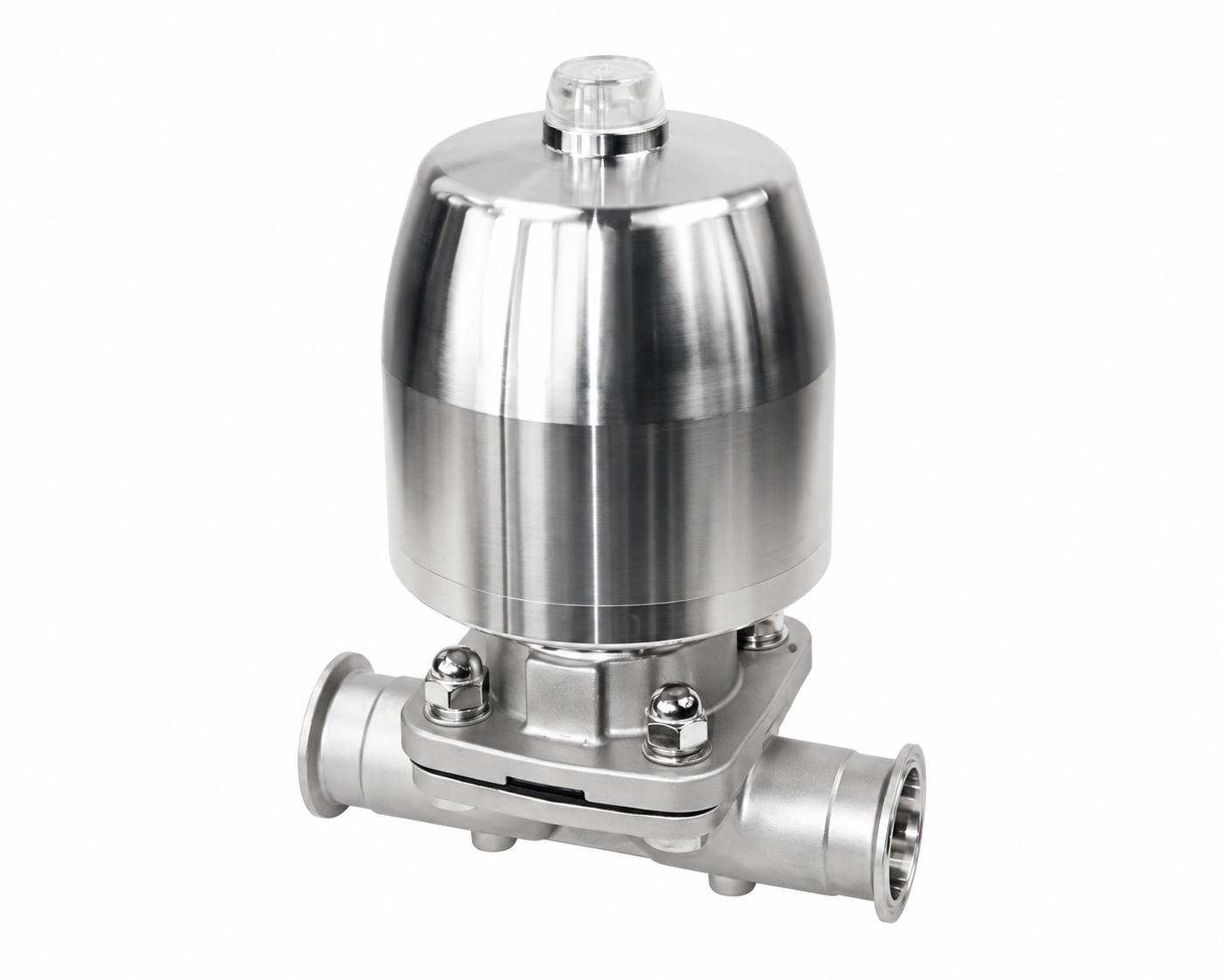
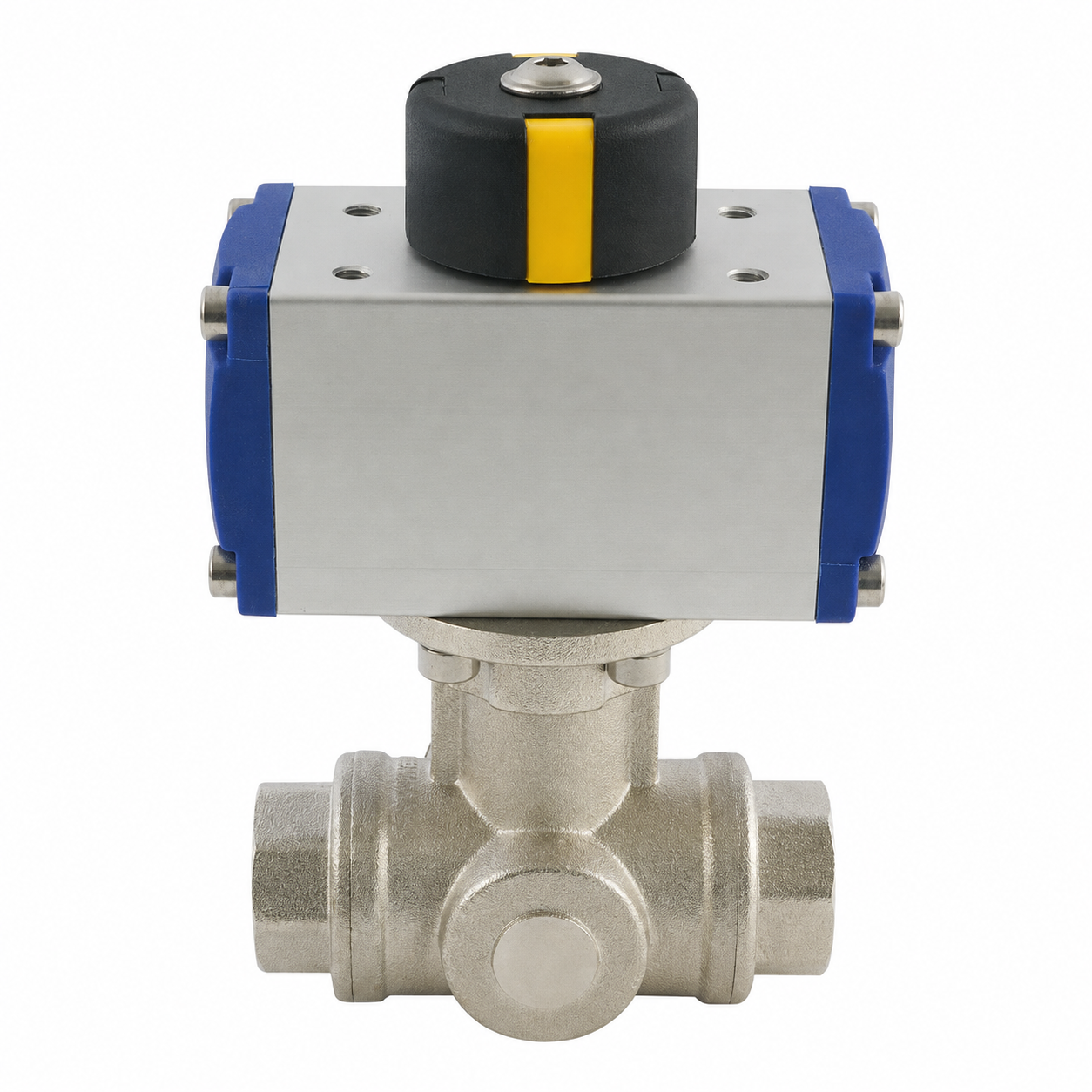
For other structures, see Pneumatic Valves, comparing connections, sealing, and control configurations under the same working conditions.
 Home
 Valve selection
 news information
 Contact us