


 简体中文
 Japanese
 Korean
 Russian
 繁体中文
 Español
Valve selection
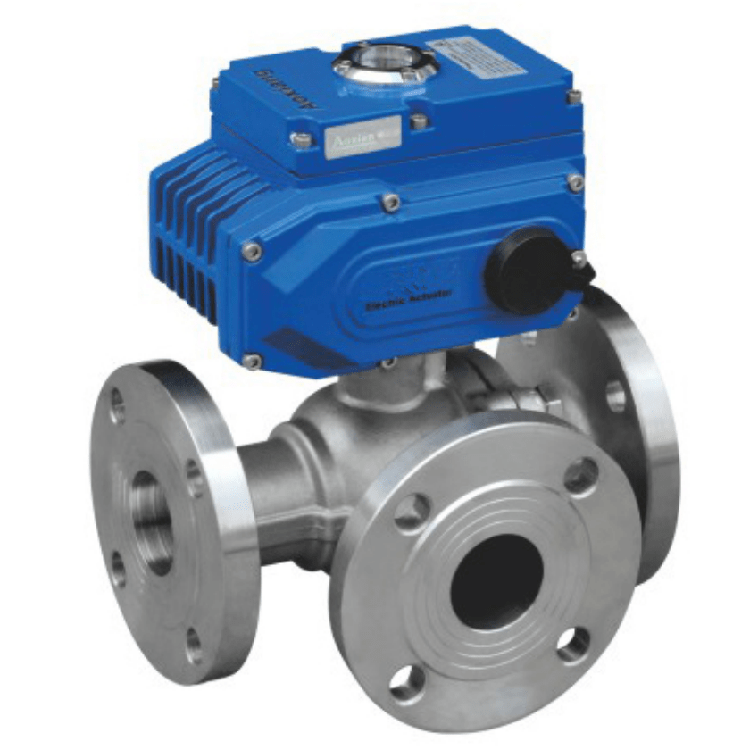
Electric Three-Way American Standard Ball Valve
| Specification | Value |
|---|---|
| Model number | Q945F |
| Specification and caliber | DN15-DN1000 |
| Pressure level | PN16/CLASS 150/10K |
| Material | WCB Cast Steel / 304 Stainless Steel, CF8 / 316L, CF8M |
| Product Features | American Standard Class 150LB |
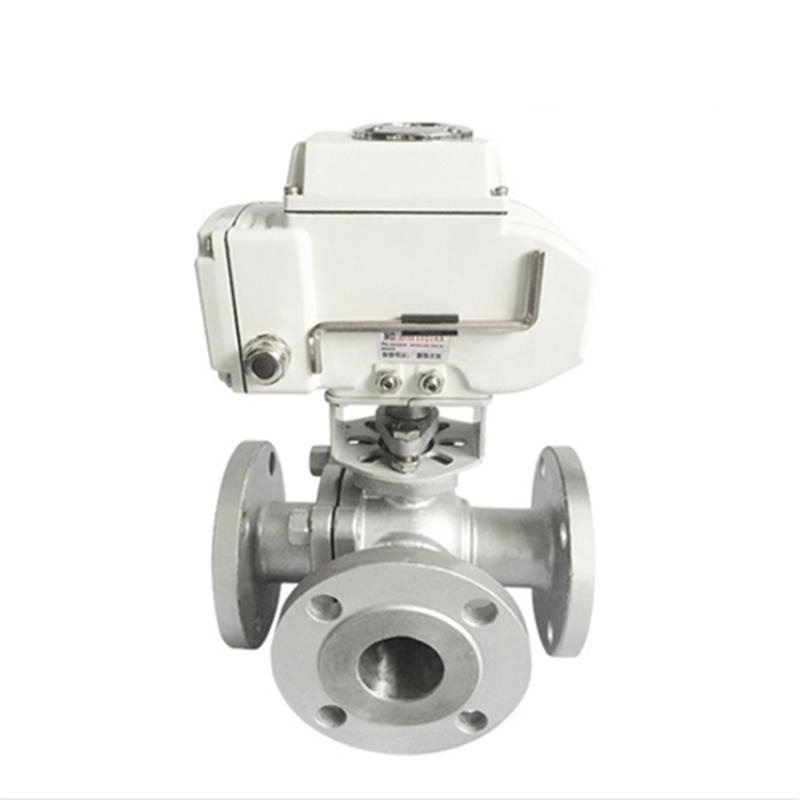
Q945F Electric Three-Way Ball Valve
The Q945F electric three-way ball valve consists of a three-way ball valve body and an electric actuator, used for switching, diverting, or merging flow according to the defined ball passage. The product features are primarily based on Class150 American standards, with configurations including PN16, Class150, and 10K, and the actual supply standards must be confirmed according to the order.
Why Must the Flow Path be Confirmed for Three-Way Ball Valves?
The actual function of the three-way ball valve is determined by the internal openings of the ball and the valve position. When selecting, it is necessary to clarify the connection relationships of the three interfaces and the required positions; it cannot be judged that all interfaces can be connected arbitrarily based solely on the name "three-way ball valve."
Different Standard Systems Cannot be Directly Equated
PN, Class, and JIS 10K belong to different standard systems, and the flange dimensions and pressure-temperature rating rules differ. When selecting, the flange standards, materials, and design temperatures should be confirmed separately.
Electric Control Configuration
The actuator power supply, control input, position feedback, and communication interface should be confirmed separately and correspond to the control cabinet wiring diagram. Optional voltages and protocols do not mean that all finished products support the same; when changing drives, the interfaces must also be re-verified.
For more electric three-way and multi-way products, see Electric Ball Valve Selection; for overall ball valve selection, see Ball Valve Manufacturer Section.
Can Two Media be Temporarily Connected During Switching of Electric American Standard Three-Way Ball Valve?
This depends on the actual ball core openings and transition positions. The allowed and prohibited connection states should be clearly defined in the flow diagram, along with the pressure, media, and residue requirements for each branch. It cannot be judged solely based on the final two stop positions throughout the switching process.
Electric limit and feedback need to correspond with the flow diagram; on-site verification of pipe number should be done before joint debugging. The requirement to maintain or move to a specified position after power failure should be listed separately; ordinary electric devices do not default to having automatic reset capabilities.
Frequently Asked Questions
What is the Default Flow Path for Q945F Three-Way Ball Valve?
The actual flow path should be confirmed by the ball core openings and stop position diagram. Mark the pipe ends that need to be connected and isolated on the diagram, and then select the corresponding configuration; it cannot be judged solely based on the abbreviation of the three-way model.
Can Class150 be Directly Equated to PN16?
It cannot be simply equated; materials, design temperatures, pressure-temperature ratings, and flange dimensions should be verified separately.
Does the Electric Three-Way Ball Valve Default to Support 4â20mA?
No, it only applies if the actual actuator and control module are configured with that function.
 Home
 Valve selection
 news information
 Contact us