


 简体中文
 Japanese
 Korean
 Russian
 繁体中文
 Español
Valve selection
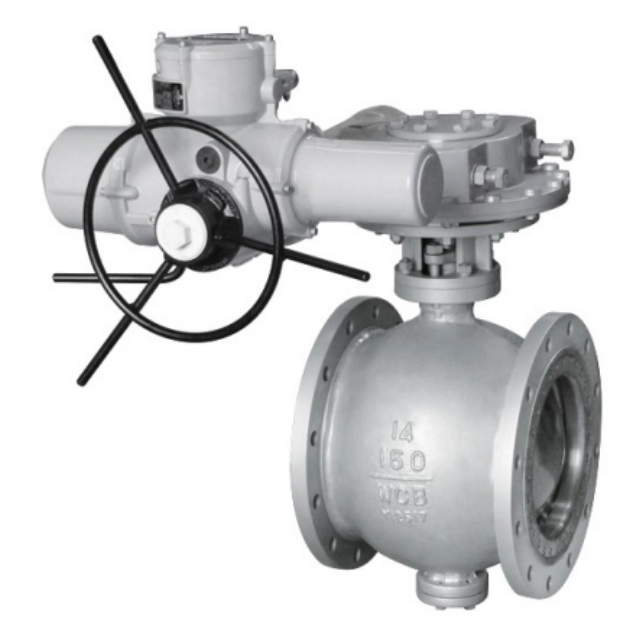
Electric worm side mounted eccentric hemispherical valve
CBQ941H electric side-mounted eccentric hemispherical valve
CBQ941H uses an electric actuator and worm reduction to rotate an eccentric hemispherical closure. The series spans DN50–DN2000, with WCB, CF8 and CF8M body options for different fluid and temperature conditions. Side mounting allows the drive and maintenance access to be arranged around the pipeline layout.
The function of worm gear transmission
The worm drives the worm wheel, transmitting reduced-speed rotary torque through the shaft to the closure. Reduction ratio affects speed and output torque; differential pressure, seat contact and deposits affect the valve load. Actuator selection covers unseating, running and final closing loads throughout the travel.
What are the characteristics of an eccentric hemisphere structure?
Eccentric motion progressively separates the closure from its seat during opening, reducing continued rubbing of the sealing surfaces. They meet again near the closed position. Contact geometry, materials and particles affect wear and leakage. After safe isolation, distinguish trapped material, stop misadjustment and seat damage so the repair addresses the actual cause.
Is it suitable for continuous adjustment?
For continuous control, closure and seat geometry determine how available flow area changes with angle. System differential pressure then determines the flow. An oversized capacity may place normal operation very close to shutoff, making control more sensitive. Compare minimum, normal and maximum flow with their upstream and downstream pressures, together with actuator duty and position feedback.
See other ball valve productsball valves; for top access, see PYQ940F top-entry hemispherical valve.
Frequently Asked Questions
The actuator indicates closed, but flow continues. What should be checked?
Compare the command, actual valve-shaft position and end-position signal. After safe isolation, inspect travel stops, drive connections, trapped material and seat contact.
Will a larger actuator cure hunting during flow control?
First determine whether normal flow is concentrated at a very small opening. Insufficient drive torque and excessive valve capacity are different problems; compare load for the former and flow capacity and usable travel for the latter.
Is matching DN enough when replacing a valve with another flange standard?
Compare bolt pattern, sealing face, bolting and face-to-face dimensions as well. Assess allowable pressure against the material and operating temperature of each configuration.
 Home
 Valve selection
 news information
 Contact us