


 简体中文
 Japanese
 Korean
 Russian
 繁体中文
 Español
Valve selection
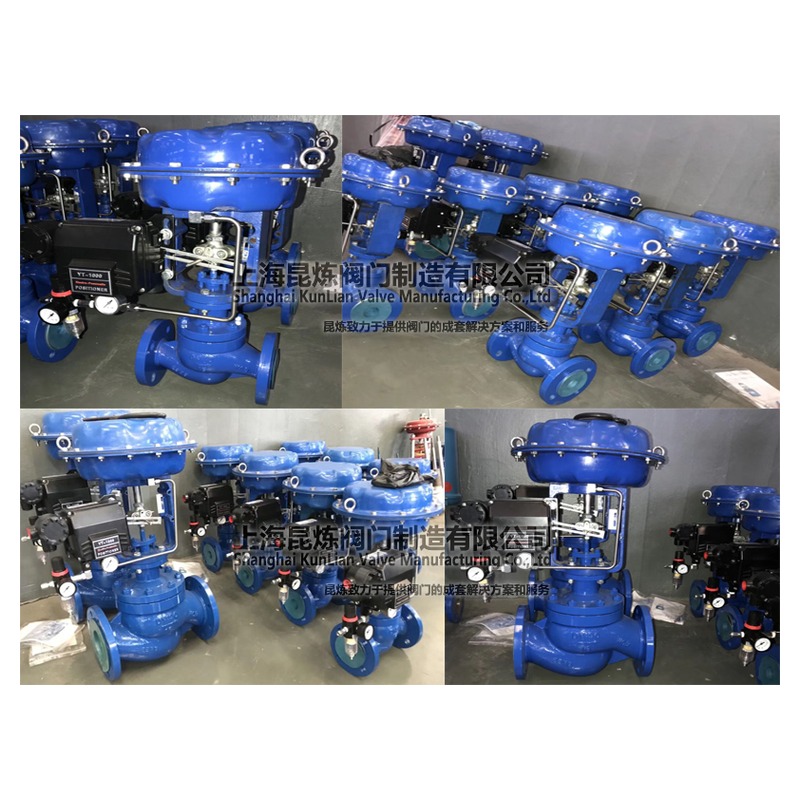
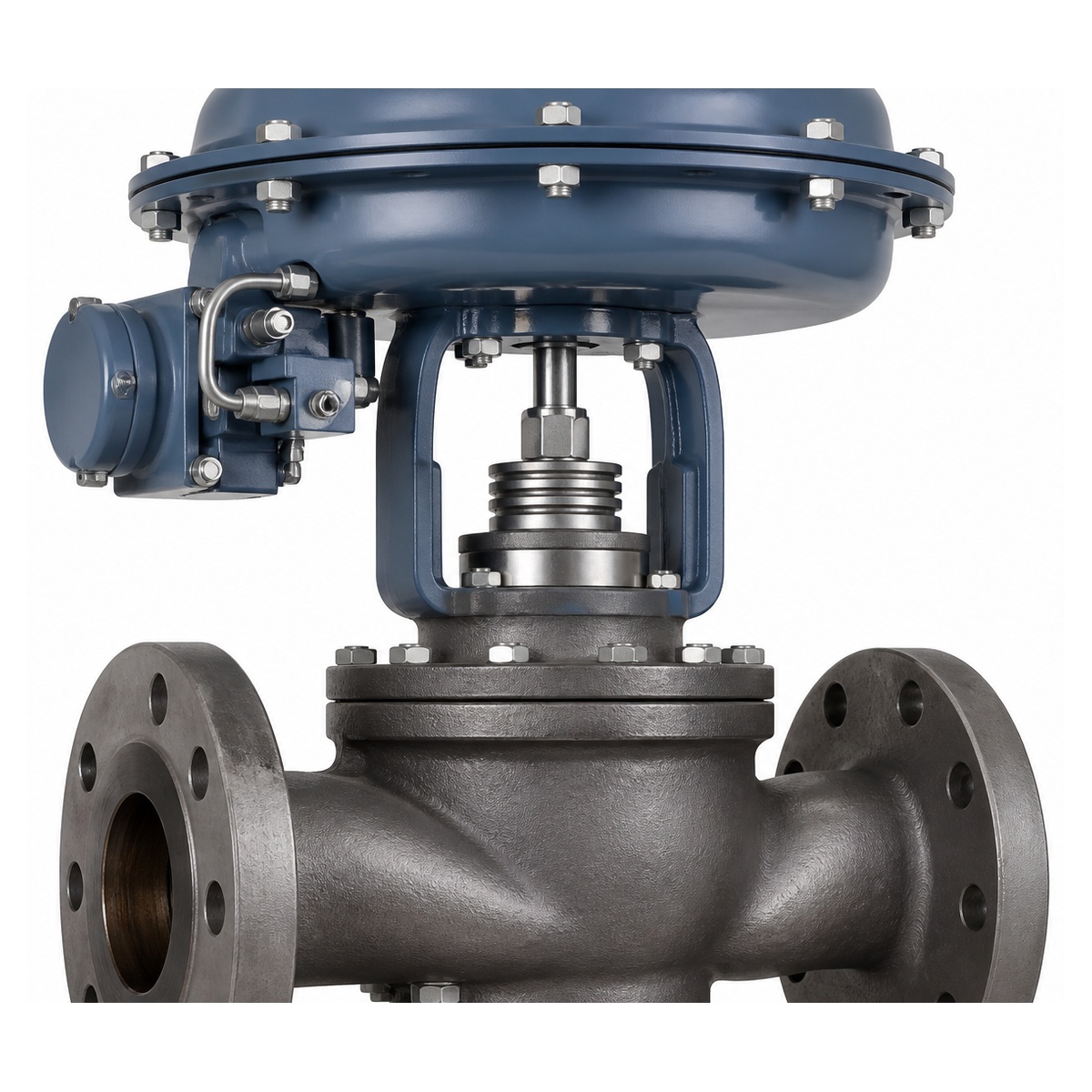
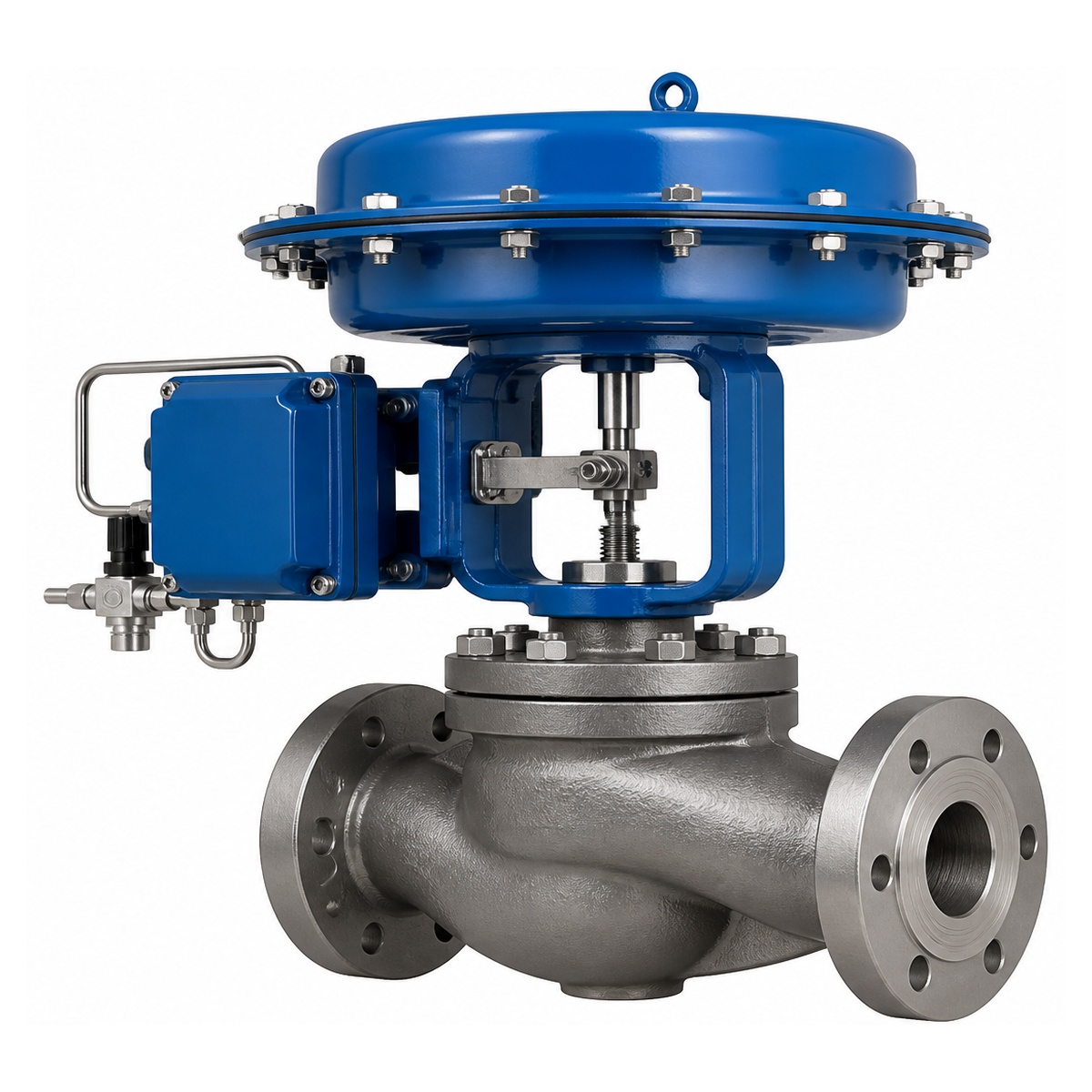
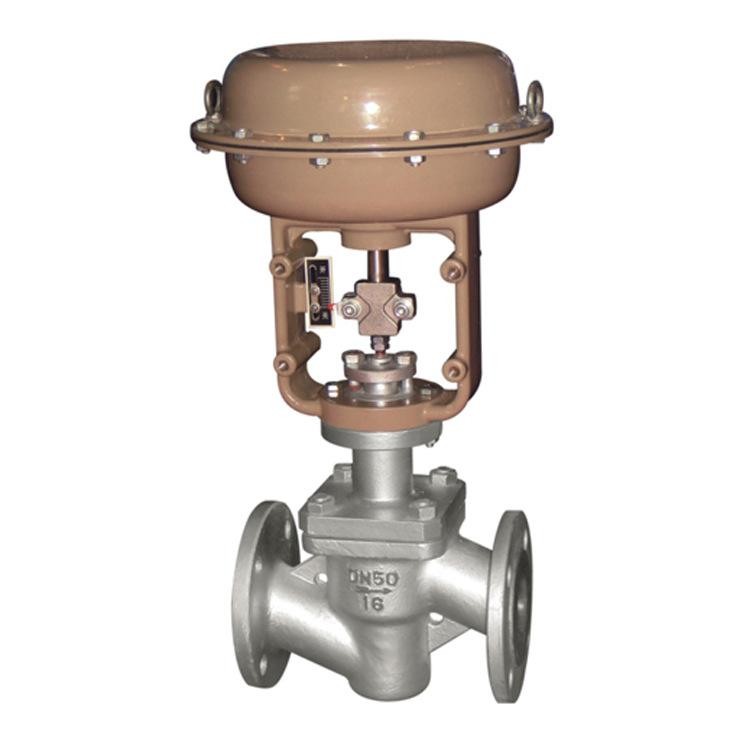
Thin film pneumatic single seat regulating valve HPS-16C
Fouten Flow Control (Jiangsu) Co., Ltd. specializes in producing thin film pneumatic single seat regulating valve HPS-16C, which consists of a multi spring pneumatic thin film actuator and a low flow resistance straight through single seat valve body. It is suitable for automatic adjustment and control of flow, pressure, temperature, and liquid level in industries such as chemical, petroleum, power, metallurgy, and pharmaceuticals.
Structural form
Adopting a top guided straight through single seat structure, the valve body flow channel is designed in the S type, with low pressure drop loss and high flow capacity. The actuator is a multi spring thin film type, with a compact structure and low height. It is rigidly connected to the valve body through a push rod, with sensitive action and rapid response. The valve core is a plunger type, which cooperates with the valve seat to form a precision sealing pair. It can be configured with soft or hard sealing structures to meet different medium working conditions.
Main material
Valve body: cast steel WCB, stainless steel CF8/CF8M, chromium molybdenum steel WC6, etc; Valve core/seat: stainless steel 304/316, can be welded with Stellite alloy or use PTFE soft seal; Valve cover: made of the same material as the valve body; Packing: PTFE V type packing or flexible graphite; Diaphragm: Nitrile rubber NBR or fluororubber FKM; Execution mechanism: aluminum alloy cylinder head, stainless steel push rod.
Sealing and Drive
The sealing form can be PTFE soft seal or metal hard seal, and the leakage level can reach ANSI/FCI 70-2 Class IV or VI level. The driving method is compressed air, and the air source pressure ranges from 0.14 to 0.7MPa. It can be equipped with a valve positioner to achieve proportional adjustment of 4-20mA, or a switch type actuator can be used for cut-off control. Supports air opening (FC) or air closing (FO) modes of operation.
Technical parameters
Nominal caliber: DN15 to DN300; Nominal pressure: PN1.6~PN6.4MPa; Applicable temperature: - 40℃~450℃ (depending on the material and sealing structure); Applicable media: steam, hot water, gas, liquid, and weakly corrosive media; Traffic characteristics: equal percentage or linear; Adjustable ratio: 50:1; Connection method: flange FF/RF; Design standards: GB/T, 4213, IEC, 60534.
Applicable Industries
Widely used in industrial process control systems such as petrochemicals, refining, natural gas, electricity, metallurgy, papermaking, food, pharmaceuticals, HVAC, etc., it is suitable for occasions that require precise adjustment of flow rate, pressure or temperature, especially for working conditions that allow for small leakage and moderate pressure difference before and after valves.
Product Advantages
1. multi spring thin film actuator, compact structure, low height, and small installation space; 2. low flow resistance single seat valve body, large flow coefficient, high adjustment accuracy; 3. top guide structure, with a large guide area and strong anti vibration performance; 4. has precise flow characteristics, large adjustable ratio, stable and reliable action; 5. material selection is flexible and can adapt to high temperature, low temperature, and corrosive media; 6. can be equipped with an intelligent locator and supports DCS/PLC system integration.
Execution mechanism configuration
Standard configuration of multi spring pneumatic thin film actuator, with available effective area options including 160, 250, 400, 630, 1000cm ², etc. The output force matches the valve diameter. Optional accessories include: electrical valve positioner (4-20mA), filter pressure reducing valve, pneumatic control valve, limit switch, handwheel mechanism, acceleration relay, etc., which can be supplied as a complete set according to the requirements of the control system.
Selection Instructions
Please provide information such as nominal diameter, working pressure, medium name and temperature, flow characteristics requirements, mode of action (air on/off), whether a locator is equipped, connection standards, and valve body material when placing an order. It is recommended to use a heat dissipating valve cover or a metal hard seal structure for high-temperature media; It is recommended to use sleeve type or hardened valve core for media containing particles or fibers.
Installation and maintenance
During installation, the direction of the valve body arrow should be consistent with the flow direction of the medium, and the flange connection bolts should be symmetrically and evenly tightened. The gas source pipeline should be equipped with a filtering and pressure reducing device to ensure that the gas source is clean and dry. The wiring of the locator should comply with electrical specifications, and the feedback link connection should be firm. Before use, perform stroke verification and zero and range calibration to ensure that the adjustment accuracy meets the process requirements.
Fouten Flow Control (Jiangsu) Co., Ltd. can provide selection calculation, drawing confirmation, complete supply and commissioning services according to user working conditions. Welcome to inquire by phone.
Common problems in product selection
HPS-16C pipeline is DN50, must the regulating valve also be selected as DN50?
not always. Please provide the minimum, normal, and maximum flow rates, upstream and downstream pressures, media, and temperature. First, calculate Cv/Kv and the available opening range, and then determine the valve diameter; Choosing too large may also make small flow regulation unstable.
Do I need to confirm the input signal and valve position feedback when connecting HPS-16C to DCS?
It is necessary to confirm the control input, valve position feedback, power or gas source conditions, interfaces, and fault location separately. Input and feedback are not the same function, and it cannot be assumed that all analog signals or communication protocols are fully equipped based solely on the name "regulating type".
HPS-16C needs to be turned off after gas interruption. How should the actuator be configured?
The safety position required for the process in case of gas loss should be clarified first, and then the single or double acting scheme, output force or torque, and accessory circuit should be checked. You cannot select cylinders based solely on valve diameter, nor can you assume that all pneumatic configurations will close when there is a loss of air.

 Home
 Valve selection
 news information
 Contact us