


 简体中文
 Japanese
 Korean
 Russian
 繁体中文
 Español
Valve selection
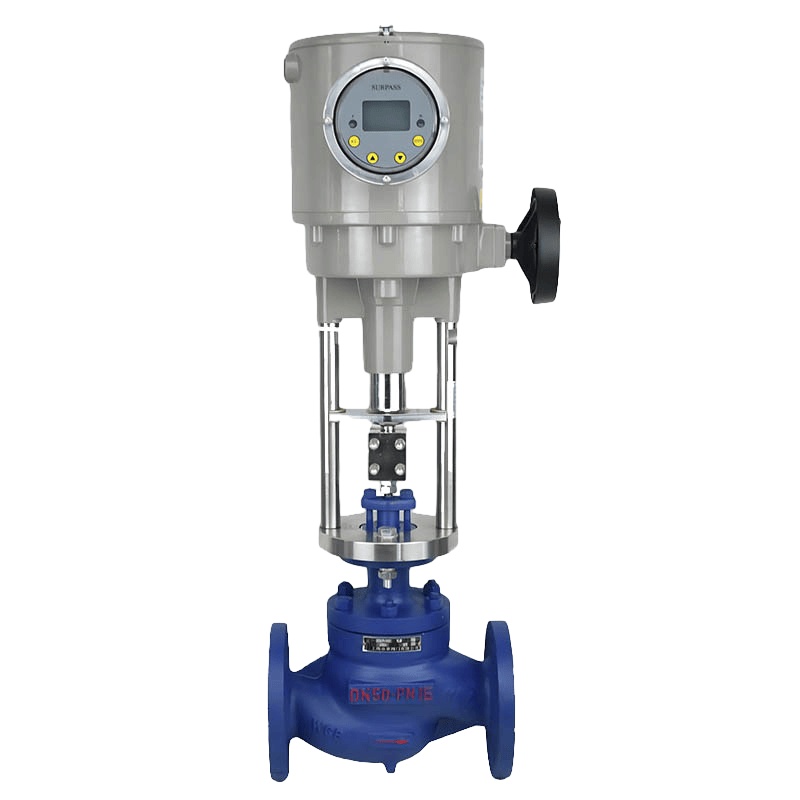
Electric single seat regulating valve ZDLP-16P
Product Description of Electric Single Seat Regulating Valve ZDLP-16P
The ZDLP-16P electric single seat regulating valve adopts a straight through single seat valve body, flange connection, and a straight stroke electric actuator, used for continuous control of industrial pipeline flow and related process variables. This model follows the configuration instructions for PN16 and CF8 cast stainless steel valve bodies. When selecting, the composition of the medium, design temperature, normal and maximum/minimum flow rates, pressure before and after the valve, flange standards, and allowable leakage requirements should be checked, and then the electric actuator should be matched according to the valve stroke and required thrust.
Product Specifications
| Product Model | ZDLP-16P |
| Structural form | Straight through single seat valve body, top guide, flange connection |
| Nominal Diameter | DN20-DN200 |
| pressure rating | PN16 |
| Valve body material | CF8 |
| sealing form | Metal sealed or soft sealed valve core components |
| Drive Type | Direct stroke integrated electric actuator |
| Applicable temperature | -29℃ to 230℃, high temperature type to be confirmed separately |
| Applicable Medium | Water, steam, oil, air, and general process fluids |
Structure and working mode
ZDLP-16P adopts a straight through single seat, top guide, and flange connection structure. The linear electric actuator outputs linear thrust, driving the valve core to move in the direction of the valve stem. Continuous adjustment is achieved by changing the flow area between the valve core and the valve seat. This product has a two-way adjustment structure and does not undertake the task of three-way or four-way reversing. The actuator should be selected according to the required thrust, stroke, working pressure difference, and operating frequency of the valve; The power supply, control signals, position feedback, and power-off status should match the actual control system.
Caliber pressure and material
The nominal pressure of this ZDLP-16P is PN16, and the valve body material is CF8 cast chromium nickel stainless steel. CF8 belongs to the cast stainless steel material system and should not be mixed with CF8M or WCB as the same valve body configuration for this specific model. The selection of metal seal or soft seal should be determined based on the medium temperature, working pressure difference, corrosion conditions, and allowable leakage. For working conditions with particles, easy crystallization, or frequent movement, the valve core and seat materials, packing structure, and possible abrasion should also be checked.
Product Features and Applications
ZDLP-16P adopts a single seat adjustment structure, suitable for industrial process control circuits that match valve capacity, pressure difference, and control requirements. The configuration of heating, heat exchange, and chemical supporting applications should be determined based on the flow range, valve flow characteristics, and adjustment stroke. When used in explosive hazardous areas, the explosion-proof applicability of electric actuators, electrical control modules, and cable entry devices should be verified. Pharmaceutical, high-purity, or corrosive media projects should also confirm the contact materials, cleaning requirements, and applicable standards, and should not rely solely on stainless steel valve bodies to infer corresponding certifications.
Installation and commissioning
Before installation, the valve nameplate, specified flow direction, flange standard, and structural dimensions should be checked, and welding slag and hard debris inside the pipe should be removed to ensure that the pipeline flange is aligned and avoid applying additional stress to the valve body. A maintenance space should be reserved around the linear electric actuator, and cable entry and wiring should meet the requirements of the equipment and on-site environment. The first debugging should check the direction of action of the electric actuator, valve stem stroke, limit, valve position feedback, and interlocking logic, and then complete the sealing and action checks according to regulations.
operation and maintenance
During operation, attention should be paid to power supply, control signals, valve position feedback, working pressure difference, abnormal noise, and external leakage. When there is a delay or inability to reach the position, the power supply, wiring, limit, actuator transmission and control modules should be checked first, and then the valve stem, valve core, valve seat and sealing components should be checked. The maintenance method of pneumatic filter pressure reducing valve should not be used to deal with electric actuator faults. Before maintenance, isolate the medium, relieve pressure, and cut off the relevant power supply; After maintenance is completed, perform travel, feedback, sealing, and motion checks as required.
Q&A on the selection of electric single seat regulating valve
ZDLP-16P pipeline is DN50, must the regulating valve also be selected as DN50?
not always. Please provide the minimum, normal, and maximum flow rates, upstream and downstream pressures, media, and temperature. First, calculate Cv/Kv and the available opening range, and then determine the valve diameter; Choosing too large may also make small flow regulation unstable.
Do I need to confirm the input signal and valve position feedback when connecting ZDLP-16P to DCS?
It is necessary to confirm the control input, valve position feedback, power or gas source conditions, interfaces, and fault location separately. Input and feedback are not the same function, and it cannot be assumed that all analog signals or communication protocols are fully equipped based solely on the name "regulating type".
Will ZDLP-16P automatically shut down after a power outage?
The power-off action cannot be determined solely by the name of the electric drive. Ordinary electric actuator cannot default to having automatic valve closing function when power is lost; If the process requires fault closure, the energy storage or other fault safety scheme of the actuator should be confirmed at the time of ordering, and the entire valve interlock verification should be completed.
Order Information List
Suggest providing information on the medium name and composition, design and operating temperature, normal maximum and minimum flow rates, pressure before and after valves, flange standards for pipelines, required flow characteristics, allowable leakage, power supply, control signals, valve position feedback, and power-off status. Fouten Flow Control (Jiangsu) Co., Ltd. can be used to verify the valve capacity, valve core and seat, electric actuator, and control accessory configuration of ZDLP-16P.
 Home
 Valve selection
 news information
 Contact us