


 简体中文
 Japanese
 Korean
 Russian
 繁体中文
 Español
Valve selection
How to provide the pressure difference when closing the pneumatic shut-off valve? Work pressure and valve disc thrust cannot be mixed
Pneumatic globe valves should be driven and provide the true pressure and pressure difference on both sides when closed. The nominal pressure of the pipeline cannot replace the load on the valve disc; Only by clearly stating the maximum shutdown condition can the supplier have the conditions to choose a complete set of thrust.
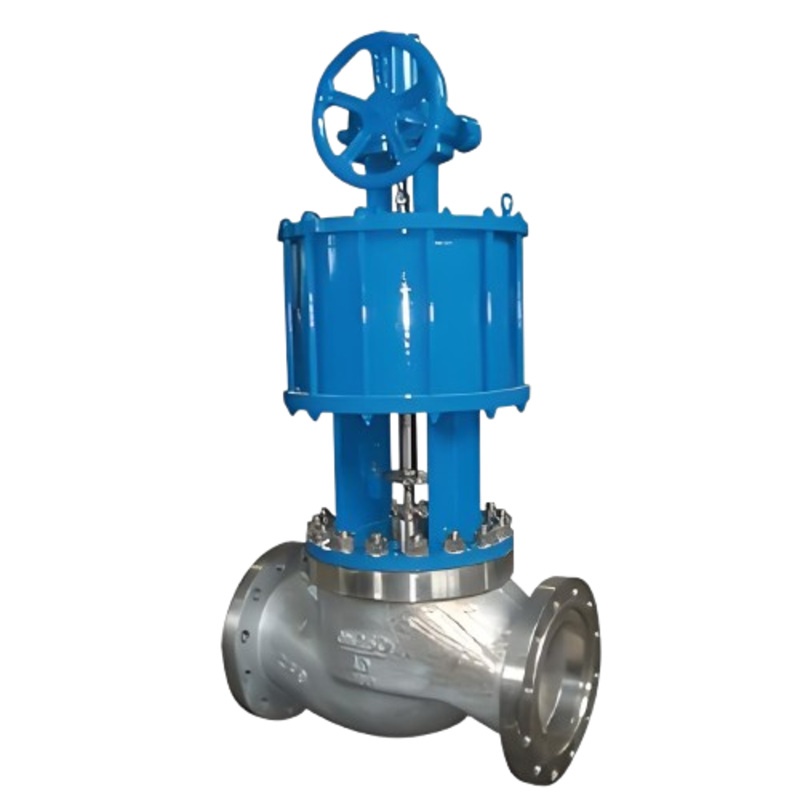
The normal conveying pressure difference is different from the instantaneous closing pressure difference
When the valve is opened, downstream equipment and pipeline resistance jointly determine the flow pressure difference; After closure, the upstream and downstream may be maintained by different pressure sources. Equipment shutdown, downstream release, or upstream pressure maintenance may all result in a pressure difference different from normal operation. The operating condition table should separate normal regulation, maximum load, and shutdown conditions, rather than using an average pressure to replace all states. The maximum closure condition needs to be determined by the system design.
The valve disc area and flow direction jointly affect the medium force
The pressure difference acts on the effective area of the valve disc, forming a load. When fluid enters from different sides, the direction of action also affects the opening and closing load. The actual size of the valve seat is not equal to the pipeline DN, and the internal structure of the valve may also change the unbalanced area. It is not enough to guarantee the actuator capacity based solely on a rough calculation of the DN circular area, nor can it be assumed that all globe valves use the same flow direction. The finished structure and specified direction should be used.
Sealing contact and friction cannot be omitted from the load gauge
In addition to overcoming the medium load, the drive also needs to meet the sealing contact of the valve seat and the resistance of the packing, guide and other mechanisms. Temperature and operating conditions can affect these factors. When resetting with a single action, the available thrust of the spring is related to its stroke, and the maximum output when there is a gas source cannot be directly used to indicate the ability to shut off when the gas is lost. The thrust margin needs to have engineering basis and comply with the allowable load of the valve stem and sealing structure.
Inquiry using a clear set of pressure states
Suggest listing the highest upstream pressure, lowest downstream pressure when closed, normal operating pressure, and target gas loss position separately, and indicate the gauge pressure or absolute pressure. The supplier will calculate based on the valve structure and minimum gas source, instead of only receiving the four characters PN16. Steam or thermal systems should also specify temperature and operating conditions changes, and the requirements for closing seals should be listed separately from the test conditions. Pressure states involving system abnormalities should not be replaced by sales personnel based on experience in design.
Comparison of selection information
| Information | Corresponding focus points |
|---|---|
| Pressure state | List the normal, maximum, and shutdown conditions separately |
| Load basis | Use actual valve seat and specified flow direction |
| Reset requirements | Distinguish between aerodynamic thrust and spring reset capability |
Corresponding products and selection entrance
Writing clearly the front, back, and closed states of the valve is the starting point for matching the pneumatic globe valve drive. The pressure rating and shut-off load should be separately proven; A pressure gauge that can reflect real working conditions is more valuable than a vague requirement for a large cylinder.
Related structures can be combinedPneumatic globe valve J641H-16CUnderstanding of specific product information. See more similar directionsPneumatic Valve Product Column。
Common customer questions
Is J641H globe valve PN16 equal to the allowable closing pressure difference of 16bar?
Cannot be equated. PN is a pressure rating, and the allowable closing pressure difference depends on the valve disc, seal, actuator, and gas source configuration.
Can this value be used when closing due to the high pressure downstream?
It depends on the closing scene. Downstream release or shutdown may alter pressure and require the use of the most unfavorable state determined by the design.
Can increasing the pressure of the gas source solve the related problems of looseness?
No. The gas source and output have allowable ranges, and sealing damage and structural loads cannot be solved by infinite pressure.
 Home
 Valve selection
 news information
 Contact us