


 简体中文
 Japanese
 Korean
 Russian
 繁体中文
 Español
Valve selection
Why can't the cleaning solution and shutdown temperature be missed when selecting the rubber type for the lining diaphragm valve?
When selecting the type of rubber for lining diaphragm valves, it is necessary to consider both the production medium and the cleaning solution. The concentration, temperature, and shutdown process may vary. First, list these states in a table, and then confirm the diaphragm and lining materials.
Break down a running cycle into different media states
Normal production, residual shutdown, cleaning, and resuming operation may result in different conditions. The concentration and temperature of cleaning agents are sometimes higher than those of daily media, and the duration of action is also different. The material compatibility table needs to correspond to these states and cannot only check the medium name. When there is mixed residual liquid in the equipment, the composition should be clearly defined by the process personnel, and the compatibility results of two single liquids should not be directly taken as the conclusion of the mixture.
The material functions of static lining and movable diaphragm are different
The valve body is lined with rubber to isolate the metal, and the diaphragm also needs to be bent, compressed, and participate in sealing. Even if the same adhesive type is used, the factors affecting force and lifespan are different. A single resin or rubber cannot prove the cyclic performance of the molded diaphragm. The straight through and weir type diaphragm structures may also require different shapes and strokes, and it is not enough to purchase spare parts with similar appearances based solely on DN.
Water resistance, oil resistance, and chemical resistance cannot be distinguished by color
EPDM and other materials have corresponding water-based application directions, while other rubber types have different oil or chemical resistance conditions, so it is not possible to uniformly label all rubber as acid and alkali resistant. Oxidative components, oil contamination, and temperature changes during cleaning should be separately listed. Material compatibility is evaluated based on actual composition, concentration, temperature, and a complete list. The surface color of the product cannot replace the marking of the adhesive type, nor can it prove that all chemical formulas are the same.
Procurement and spare parts records are recorded using the same condition table
For the on-site English standard straight through manual rubber lined diaphragm valve, it is advisable to specify the connection system, rubber type, and diaphragm structure, as well as the entire cleaning cycle and operating frequency. The procurement of spare parts also requires the finished product number, molding size, and compression connection. Save materials and test data during delivery, and keep records of cleaning changes during operation. Discovering changes in lifespan is necessary to distinguish between formula adjustments, mechanical conditions, and mismatched spare parts, rather than repeatedly replacing membranes of the same color.
Comparison of selection information
| Information | Corresponding focus points |
|---|---|
| period | Production, residual liquid, cleaning, and restoration |
| component | Evaluation of valve body lining and diaphragm separately |
| spare parts | Corresponding shape, connection, and adhesive type maintenance |
Corresponding products and selection entrance
The composition and temperature of cleaning solution and production medium are different. Incorporating the cleaning cycle into the selection can avoid missing the most unfavorable material conditions. Consistency in adhesive type, diaphragm structure, and operating records is essential for more effective control of maintenance costs.
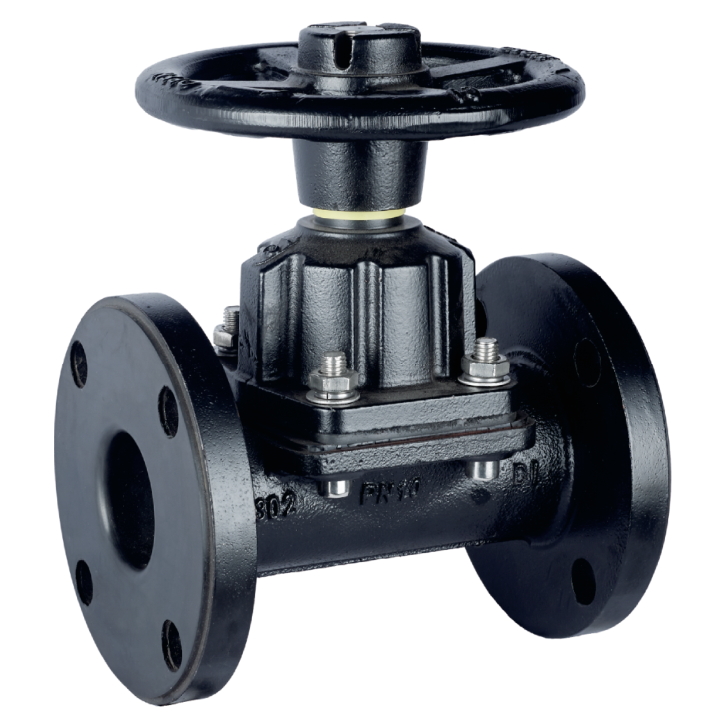
Related structures can be combinedBS EN British standard straight through manual rubber lined flange diaphragm valveUnderstanding of specific product information. See more similar directionsLining Valve Product Column。
Common customer questions
Is the adhesive type suitable for industrial water also suitable for cleaning?
Not necessarily, the concentration, temperature, and composition of the cleaning solution may vary and need to be listed separately.
Does the lifespan of the lining rubber and diaphragm be the same if they are made of the same material?
It cannot be judged in this way that the static lining layer and the movable diaphragm bear different mechanical loads.
Can the diaphragm spare parts of DN be used across manufacturers?
It cannot be assumed to be universal, and it is necessary to match the shape, hole position, compression connection, and material.
 Home
 Valve selection
 news information
 Contact us