


 简体中文
 Japanese
 Korean
 Russian
 繁体中文
 Español
Valve selection
How does the three-way merging regulating valve affect the mixing temperature? Two channel flow and system balance
The temperature control of three-way merging requires simultaneous observation of the temperature, flow rate, and resistance of both channels. The valve changes the mixing ratio without automatically ensuring a constant total flow or temperature; First, list the various operating conditions for inquiry, and then verify the control and cycling conditions.
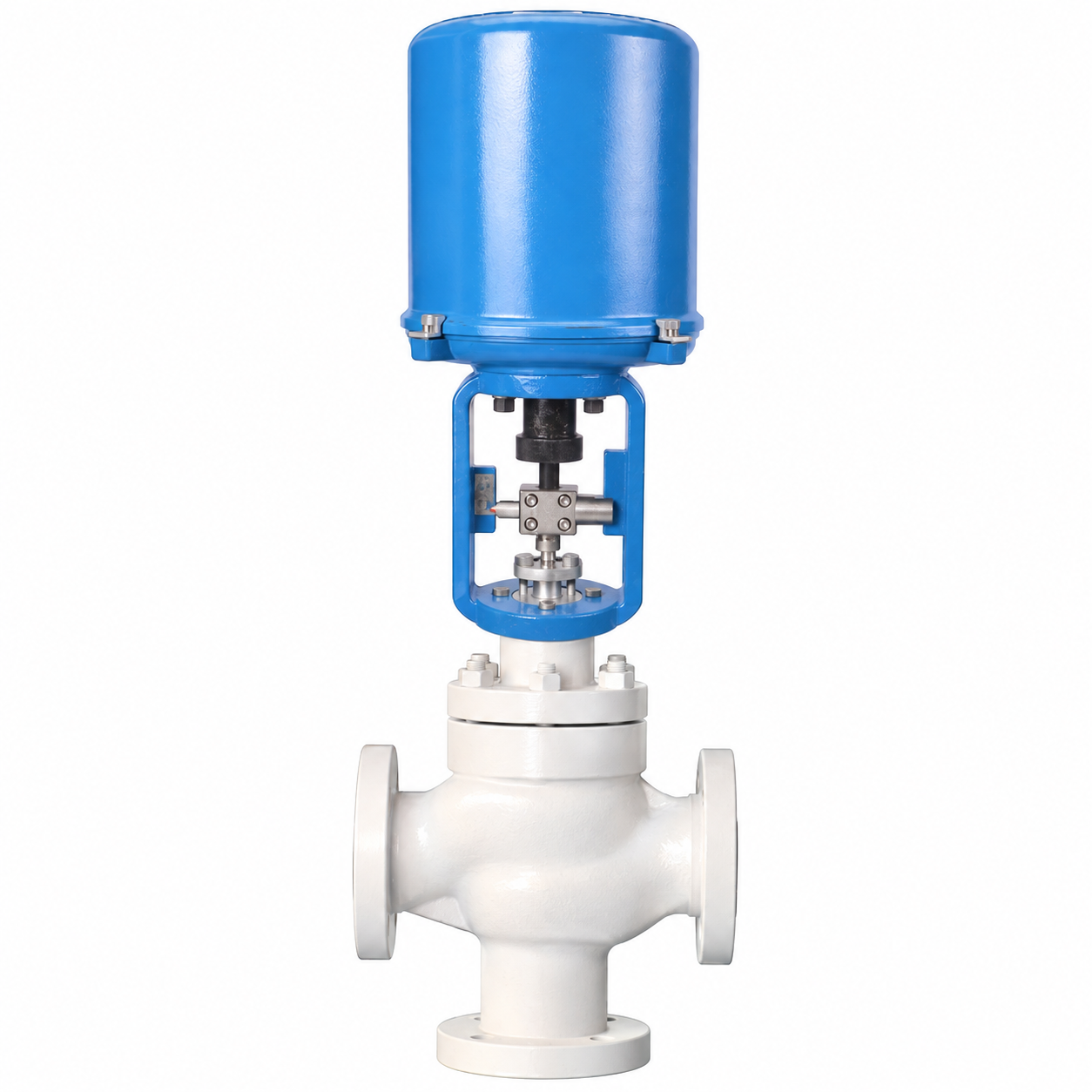
Firstly, clarify the functions of two entrances and one exit
Confluence configuration and diversion configuration have different flow path tasks, and port names, specified flow directions, and valve internal structures need to be consistent with the drawings. The three-way ball valve is used for reversing the L/T flow channel, and its function is not the same as the continuous flow distribution of the three-way regulating valve. It cannot be recognized as interchangeable based on three interfaces. ZAZL-16C belongs to the three-way merging regulation product. The two inlets and outlets should be labeled with corresponding pipelines according to the finished product, and the functions of A, B, and AB should not be inferred based on the orientation of the interface.
The mixed temperature is related to the heat and flow rate of the two channels
The mixing temperature of two identical liquids can be balanced according to applicable conditions, but different media, temperatures, and losses require corresponding physical properties. We cannot simply average two temperature readings, nor can we directly replace the mass flow ratio with the valve position ratio. A change in inlet pressure will alter the flow rate of the branch, thereby changing the outlet state. The effectiveness of temperature control is not solely determined by the positioning accuracy of the actuator.
The difference in branch resistance will change the distribution
The pipelines, heat exchangers, and supply pressures of the two branches may be different. When the valve changes its opening, the actual flow rate of each branch is affected by the entire circuit, and even when a certain circuit approaches closure, it does not automatically guarantee absolute no flow. The selection should list the flow rate, pressure difference, and allowable leakage of each point, and not assume the theoretical constant total flow rate as a commitment for all systems. The position and control method of the pump should also match the circuit design.
Prepare separate documents for temperature circuit and valve capacity
Procurement should provide two inlet media and temperature, respective pressures, total flow range, target mixing state, and load changes. Control personnel shall re evaluate the temperature measurement location, response delay, and driving requirements. When comparing different schemes, check whether they are merging or diverging, the characteristics of valve internals, and port sizes. The product can undertake continuous distribution, but it does not mean that complete system thermal balance and hydraulic calculations can be omitted.
Comparison of selection information
| Information | Corresponding focus points |
|---|---|
| Flow path task | Determine the merging or diverging first |
| Mixed state | Using the relationship between actual heat and flow rate |
| hydraulic condition | Record the pressure and resistance of the two branches separately |
Corresponding products and selection entrance
The selection data for three-way combined regulation should include both port tables, branch hydraulic and mixing objectives. Matching the three first, and then selecting the electric drive and control circuit, can avoid using valve position percentage instead of the real process.
Related structures can be combinedElectric three-way merging regulating valve ZAZL-16CUnderstanding of specific product information. See more similar directionsRegulating Valve Product Column。
Common customer questions
Is the opening of the ZAZL merging valve 50% the same as each 50% for the two flow rates?
It cannot be directly equated, as branch pressure, resistance, and valve internals characteristics will all affect the actual distribution.
Can a three-way ball valve directly replace a three-way temperature regulating valve?
We cannot just look at the number of interfaces, we need to match the continuous adjustment structure, flow characteristics, and control requirements.
Is taking the average of the two inlet temperatures the mixed outlet temperature?
Not necessarily, heat balance needs to be done based on the corresponding flow rate, physical properties, and heat loss.
 Home
 Valve selection
 news information
 Contact us