


 简体中文
 Japanese
 Korean
 Russian
 繁体中文
 Español
Valve selection
Why can the balanced cage sleeve regulating valve reduce the driving load? Balancing structure and sealing
The balanced structure reduces some of the driving loads through corresponding force arrangements, but it does not mean eliminating all loads. The customer raised the pressure difference and leakage requirements together, and then compared the internal components, seals, and actuators.
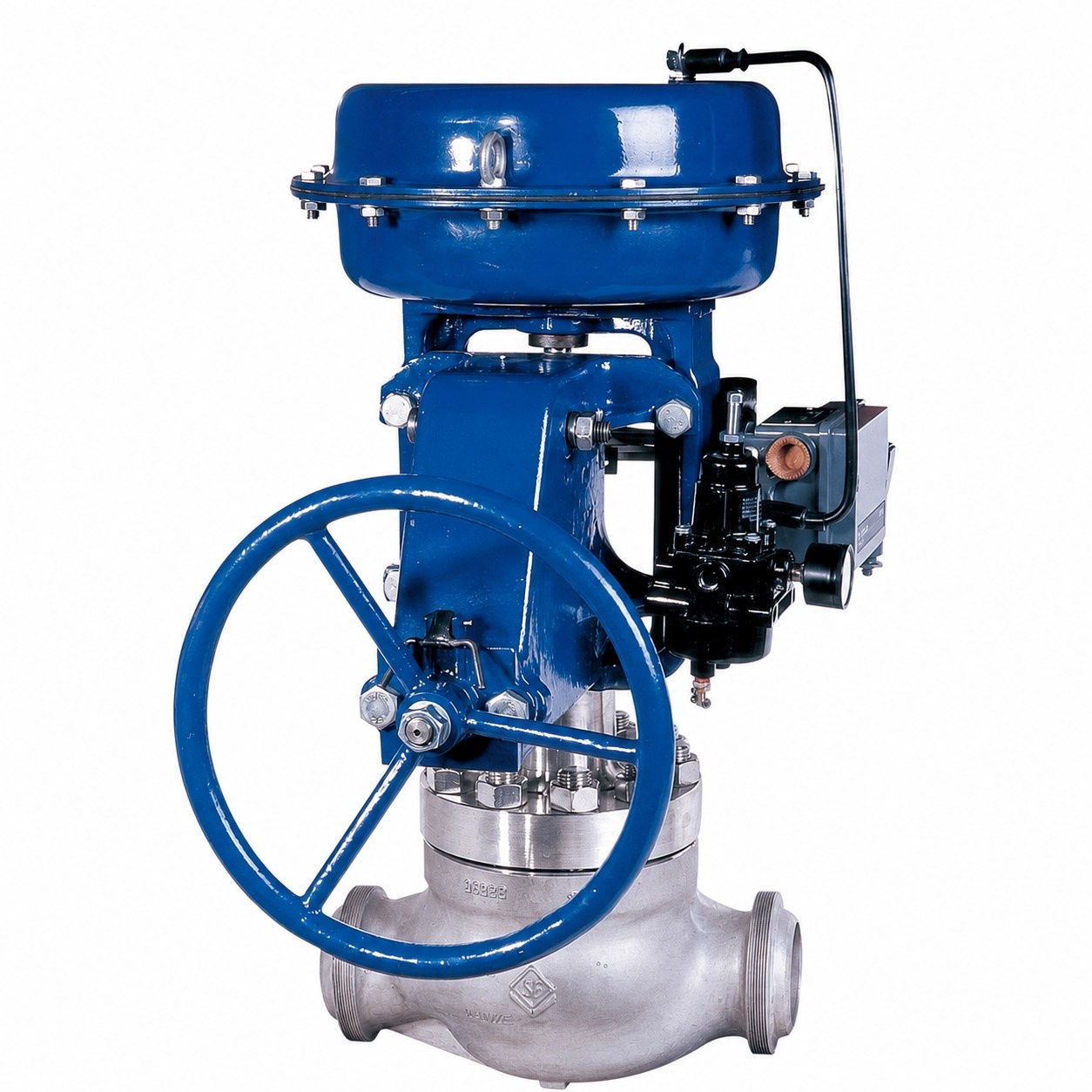
Cage guidance and pressure balance are not the same concept
The cage can bear the guidance of the valve core or form a flow window, and pressure balance requires corresponding communication paths and effective working areas. The two can be combined or different solutions may be adopted. It cannot be assumed that the cage type name is necessarily a balanced valve core, let alone that there must be multi-stage pressure reduction. The HCB-16C in the station clearly describes the balance valve core, and the actual balance details still need to be determined based on the valve internal drawing of this specification, rather than just judging based on the product appearance.
The remaining thrust includes sealing contact and friction
Even if some of the medium forces are balanced, the friction between the packing, guide, and balance seal will still affect the stroke. When closing, it is necessary to reach the specified valve seat contact state, and the pressure effect may also vary under transient or different opening degrees. The actuator should be matched with the minimum air source according to the actual load, and the minimum drive should not be directly selected for balanced design. Soft and hard seals and different temperature configurations may alter the required thrust.
The balanced path increases the areas that need to be managed
The sealing or fitting clearance in a balanced structure will involve requirements for medium, temperature, wear, and leakage. Particles or sediments may affect internal activity and pathways, and clean media cannot be directly transferred to all slurries. Valve seat closure leakage and other internal pathways need to be evaluated according to complete testing requirements. Reducing the drive in some form of balance does not necessarily mean that all sealing indicators will improve simultaneously.
When comparing options, first clarify the priority tasks
High pressure difference, large capacity, and strict closure requirements may impose different emphasis on valve internals. Procurement should provide information on various flow points, pressure differentials, particle conditions, temperature, allowable leakage, and driving conditions, and have the manufacturer explain the corresponding balance and sealing schemes. Balance, low noise, and zero leakage cannot be considered as standard configurations at the same time. The acceptance of finished products should be based on the actual combination of valve components and agreed upon conditions.
Comparison of selection information
| Information | Corresponding focus points |
|---|---|
| structure | Separate confirmation of guidance, balance, and pressure reduction |
| load | Calculate the medium force, friction, and valve seat force together |
| seal | Clearly define the complete path and acceptance criteria |
Corresponding products and selection entrance
Understanding balanced design as a structural method for managing loads, rather than an unconditionally superior label, can more reasonably compare drivers, valve internals, and seals. Clear tasks provide a basis for verifying technical choices.
Related structures can be combinedCage type pneumatic control valve HCB-16CandPneumatic sleeve regulating valve ZJHM-16CUnderstanding of specific product information. See more similar directionsRegulating Valve Product Column。
Common customer questions
Are all cage type regulating valves pressure balanced?
No, cage guidance and balance structure are different attributes and require specific valve internals information.
Can the balancing valve core not calculate the actuator thrust?
No, the remaining medium load, sealing contact, and friction still exist.
Does a balanced design necessarily have lower leakage than a single seat?
It cannot be guaranteed uniformly, and should be compared according to the actual sealing combination and specified test conditions.
 Home
 Valve selection
 news information
 Contact us