


 简体中文
 Japanese
 Korean
 Russian
 繁体中文
 Español
Valve selection
How to order spare parts for regulating valves so that they cannot be installed? Verification of valve internal part number, stroke and material
The spare parts of the regulating valve should correspond to the internal components and materials of this time, and cannot only report the model of the entire valve. The customer provides the product number, original parts, stroke, and medium, checks and matches them before placing an order to avoid similar appearances that cannot be installed.
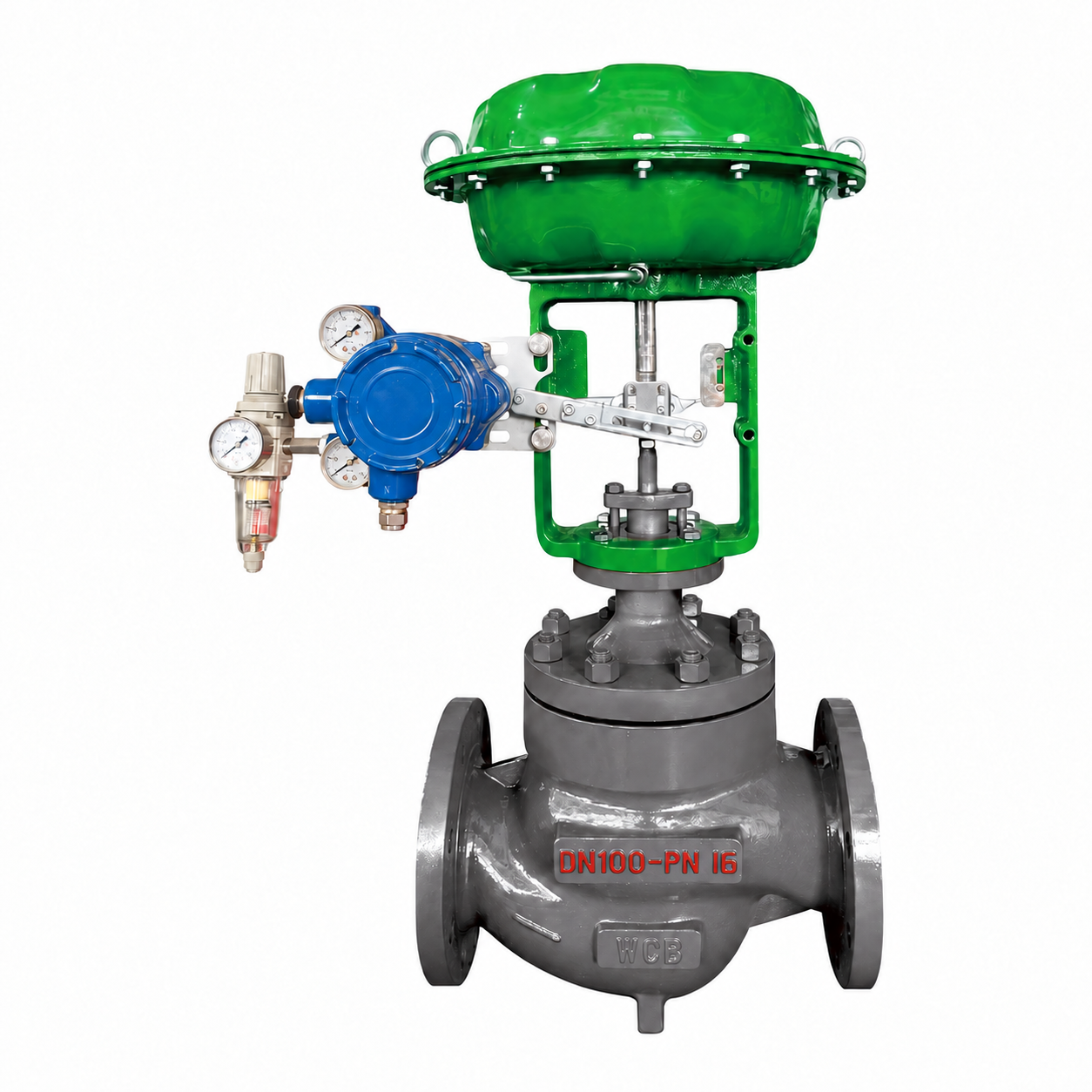
Model Description Series, Product Number Identification Actual Delivery
The product model helps identify the series and main structure, but may not necessarily include all valve internals, materials, or revision information. The finished product number, original order, and actual assembly drawing on the old part nameplate are usually more valuable than a single valve photo. When inquiring, provide both the installation location and historical maintenance records to facilitate tracing whether non original combinations have been replaced.
The drawing number and version should correspond to the finished product. Even if the external flange and overall shape remain unchanged, the internal guiding, connecting, or sealing structure may still be adjusted. Seeing similar photos of spare parts cannot confirm interchangeability; Engineers need to compare part numbers, assembly relationships, and applicable lists to avoid inferring commonalities within the same series based on names.
Confirm the flow capacity, stroke, and sealing combination together
Regulating valves may have different rated capacities or seat sizes within the same valve body. The valve core, cage, and valve seat together form a throttling and sealing combination, and the size of individual parts is similar, which does not mean that they still have their original characteristics after assembly. Spare parts procurement should retain the corresponding flow coefficient, characteristics, and sealing configuration identity, rather than just measuring an outer diameter.
The stroke, valve stem connection, and guidance also affect whether they can be assembled and operated correctly. After replacing different components, the old travel or limit settings cannot naturally become the correct settings. It is necessary to provide manufacturing documentation that allows for combination and assembly acceptance, and cannot compensate for mechanical size mismatch by modifying the locator range.
Material upgrade is not a free replacement of individual parts
The valve internals material, surface treatment, packing, and sealing material each have their own functions. When hoping to improve corrosion resistance or wear resistance, it is necessary to first explain the new working conditions and the cause of the original damage, and then confirm whether an overall combination change is needed. A material name that is more "advanced" does not necessarily mean that it has the same thermal deformation, hardness, and sealing fit as the original.
Suppliers should identify materials and components and retain necessary proof and traceability information. If the working condition changes from water to a medium containing particles, or if the temperature and pressure difference change, the demand for spare parts is no longer simply restocking as is. At this point, it should be re evaluated as a change, and a certain hardened valve core should not be treated as a universal component that can solve all erosion and blockage.
Distinguish between valve internals, drivers, and control accessories
The actuator diaphragm, spring, or connector should correspond to the actuator identity; The locator accessories have their own models and interfaces. When the entire equipment has been replaced with actuators or positioners, the valve nameplate may not be able to recognize these additional components. The inquiry materials should list the three types of components separately to avoid directly using the pneumatic valve model as the order number for all accessories.
The HPG-16C thin film pneumatic cage regulating valve of Fouten adopts cage valve internals and pneumatic drive. Its spare parts should be traced according to the actual finished product structure and configuration, and cannot be exchanged with sleeves or another specification just because the name is cage type. The replacement scope will only be clear after the valve internals, drive and control accessories correspond to the corresponding data.
The acceptance after arrival and maintenance cannot only be based on whether it can be installed
Upon arrival, check the packaging label, part number, material, and assembly correspondence, record any abnormalities, and submit them for technical confirmation. After assembly, it is necessary to verify the mechanical stroke, action direction, sealing, and control response according to the actual maintenance scope; The ability to install components into the valve body does not mean that the original performance has been restored.
The maintenance personnel shall isolate the pressure, gas source, and other energy according to the approved procedures, and adopt corresponding assembly requirements, without replacing components during operation. The maintenance records retain the old and new numbers, materials, drawing versions used, and re inspection results. The next maintenance can be based on the actual finished product status for ordering, reducing the need for repeated verification of models and the accumulation of incorrect spare parts.
List of spare parts inquiry materials
| Materials | Usage |
|---|---|
| Nameplate and product number | Tracing the actual delivery identity and original order |
| Drawing version and part number | Identify the relationship between structural revision and correct assembly |
| Valve internal component assembly | Capacity, characteristics, travel and sealing matching |
| Materials and working conditions | Confirm original replacement or change evaluation |
| Attachment identity | Order actuators and locators separately |
| Maintenance History | Record the results of modification, replacement, and re inspection |
Corresponding products and further selection
When ordering spare parts for regulating valves, the real finished product should be identified first, and then the combination and replacement range should be confirmed. Creating a closed loop of nameplates, part numbers, drawing versions, materials, and maintenance records can reduce the problem of "buying the same model but not being able to install it or having incorrect performance".
Can be combinedThin film pneumatic cage regulating valve HPG-16CThe actual product information confirms the structure and selection requirements. For more similar products, please refer toRegulating valve column。
Related questions can continue to be read:How to understand the leakage level of regulating valve Class IV and Class VI? Experimental conditions and isolation boundaries。
General principle reference:SAMSON Control Valve Engineering and Structural DataThe specific functions of the finished product are based on the corresponding structure and verification data.
Common customer questions
Can the regulating valve core be interchangeable if the model is the same as DN?
Cannot confirm directly. It is also necessary to compare the finished product number, seat size, stroke, structural version, material, and allowable valve trim combination.
Can I place an order for old parts without clear nameplates and only send photos?
Photos can help with initial identification, but are usually not sufficient to confirm assembly. The original order, drawings, dimensions, and repair information should be supplemented and traced by technical personnel.
Is it enough to just calibrate the locator after replacing the internal components?
Calibration only corresponds to a part of the control. Mechanical travel, sealing, and action must be retested according to the scope of maintenance, and calibration should not be used as a substitute for complete performance confirmation.
 Home
 Valve selection
 news information
 Contact us