


 简体中文
 Japanese
 Korean
 Russian
 繁体中文
 Español
Valve selection
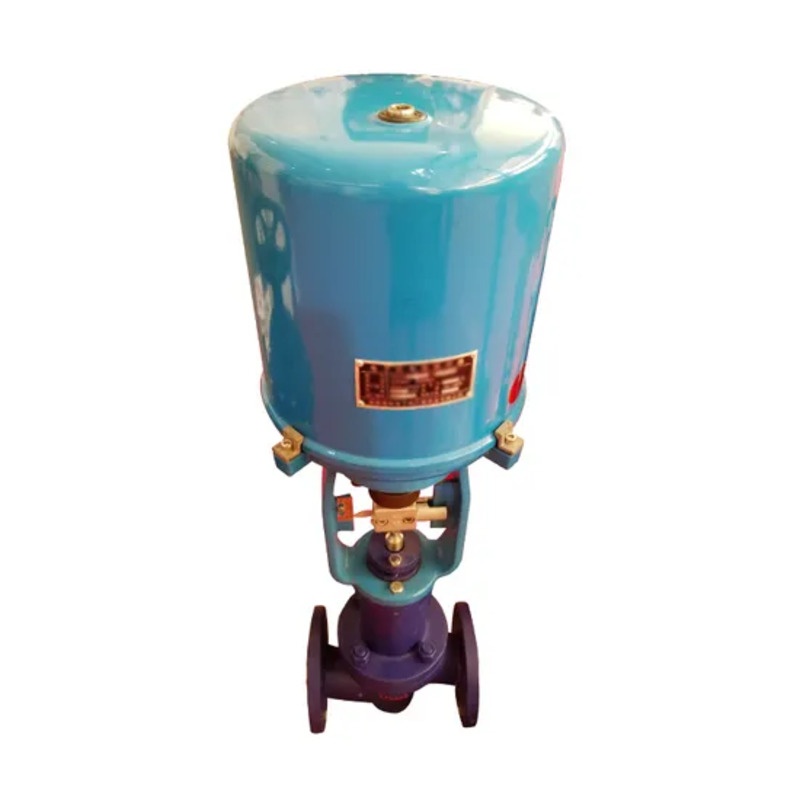
Electric single seat regulating valve ZDLP-16C
ZDLP-16C electric single seat regulating valve
The electric single seat regulating valve ZDLP-16C is suitable for on/off or process control in chemical processes, HVAC heat exchange and industrial automatic control. Before selecting, it is necessary to confirm the composition of the medium, temperature, design pressure, normal and maximum flow rates, pressure difference before and after the valve, connection standards, and control signals. The model cannot be determined solely based on the pipe diameter. The parameters in this article are commonly used configurations and should ultimately be based on project conditions, order confirmation, and manufacturing drawings.
Structure and Drive
ZDLP-16C adopts a straight through single seat, valve stem lifting type, and flange connection. The linear thrust is output by a linear electric actuator, which drives the valve core to change the flow area for continuous process adjustment and can undertake cutting tasks under corresponding closing conditions. The selection of the actuator should verify the required thrust, stroke, and operating frequency of the valve; When remote control or feedback is required, the power supply, control signal, valve position feedback, limit, and actual state after power loss should be clearly defined.
Material and sealing
The specific model on this page is ZDLP-16C, the nominal pressure is PN16, and the valve body material is WCB carbon steel. The configuration of metal or soft seals should be determined based on the medium, temperature, pressure difference, and leakage requirements. If other pressure grades or stainless steel valve bodies are used in the project, the corresponding model and valve body material code should be confirmed, and different series configurations cannot be simultaneously written into the specific model ZDLP-16C. The valve internals and packing configuration should be separately confirmed for high temperature, crystallization prone, or particle containing conditions.
Product Specifications
| Product Model | ZDLP-16C |
| Structural form | Straight through single seat, valve stem lifting type, flange connection |
| Nominal Diameter | DN20-DN200 |
| pressure rating | PN16 |
| Valve body material | WCB |
| sealing form | Metal seal or soft seal |
| Drive Type | Direct stroke electric actuator |
| Applicable temperature | -29℃ to 350℃, confirm according to valve internals and packing |
| Applicable Medium | Water, steam, gas, and clean process media |
Applicable working conditions
When using ZDLP-16C for continuous flow or process variable control, the selection should be based on the actual Cv/Kv requirements, pressure difference, flow characteristics, and actuator stroke. When used in explosive hazardous areas, the explosion-proof applicability of electric actuators, electrical control modules, cable entry devices, and related accessories should be checked, and ordinary configurations cannot be directly regarded as explosion-proof. Food, pharmaceutical, high-purity or corrosive media projects should also confirm the contact materials, cleaning requirements, and applicable standards for the project separately.
Installation and Debugging
Before installation, the nameplate, specified flow direction, flange standard, and structural dimensions should be checked, welding slag and hard debris inside the pipe should be removed, and pipeline stress should be avoided from being transmitted to the valve body. Maintenance space should be reserved around the electric actuator, and cable entry and wiring should comply with the requirements of the actuator and the on-site environment. The first debugging should check the direction of operation, valve stem stroke, limit, valve position feedback, and interlocking logic of the electric actuator, and then check the sealing of the connection parts according to regulations and gradually put them into operation.
Operation and maintenance
During operation, attention should be paid to power supply, control signals, valve position feedback, abnormal noise, and external leakage. When there is a delay or inability to reach the position, the power supply, wiring, limit and position feedback, actuator transmission and control modules should be checked first, and then the valve stem, valve core, seat and sealing components should be checked. It is not advisable to cover up valve mechanical failures by modifying actuator parameters. Before maintenance, isolate the medium, relieve pressure, and cut off the relevant power supply; Perform travel, feedback, sealing, and motion checks after completing maintenance.
Q&A on the selection of electric single seat regulating valve
ZDLP-16C pipeline is DN50, must the regulating valve also be selected as DN50?
not always. Please provide the minimum, normal, and maximum flow rates, upstream and downstream pressures, media, and temperature. First, calculate Cv/Kv and the available opening range, and then determine the valve diameter; Choosing too large may also make small flow regulation unstable.
Do I need to confirm the input signal and valve position feedback when connecting ZDLP-16C to DCS?
It is necessary to confirm the control input, valve position feedback, power or gas source conditions, interfaces, and fault location separately. Input and feedback are not the same function, and it cannot be assumed that all analog signals or communication protocols are fully equipped based solely on the name "regulating type".
Will ZDLP-16C automatically shut down after a power outage?
The power-off action cannot be determined solely by the name of the electric drive. Ordinary electric actuator cannot default to having automatic valve closing function when power is lost; If the process requires fault closure, the energy storage or other fault safety scheme of the actuator should be confirmed at the time of ordering, and the entire valve interlock verification should be completed.
Selection and ordering information
Suggest providing the medium and composition, design and operating temperature, pressure before and after the valve, normal/maximum/minimum flow rate, pipeline standards, operating frequency, power supply, control signals, valve position feedback, power-off status, and on-site environmental requirements. Fouten Flow Control (Jiangsu) Co., Ltd. can be used to verify the valve diameter, valve internals, electric actuator, and control accessory configuration.
Selection references: Check Cv, Kv and flow characteristics, Single-seated vs cage-guided control valves, Pneumatic vs electric control valves. Confirm capacity, trim and actuation separately for the ordered assembly.
 Home
 Valve selection
 news information
 Contact us